Mayor wants $40 million to revamp Sacramento’s waterfront. How would the money be used?
The city is reviving pre-pandemic plans to revitalize Sacramento’s waterfront, with officials hoping to capitalize on a rebound in hotel tax revenues and a ballot measure that loosened restrictions on their use.
Come Tuesday, the mayor said he will seek city council approval for a package of roughly $40 million to upgrade restaurants and public market buildings, repair docks, fund the city’s tourism bureau, and incentivize private sector investment.
Many of the projects have been discussed for years, but depended on the hotel tax revenues, which plummeted during the pandemic.
“Now we have the money and the resources,” said Sacramento Mayor Darrell Steinberg. “We have the will, and now we have a plan.”
The project has had to change since earlier talks in 2019, Steinberg said, because the plans contemplated would cost more now.
The funding is now divided into two phases: $25 million for the riverfront projects, and $15 million to offer public matching for private sector improvement projects.
The mayor said the city now also has a term sheet for construction of a new convention center hotel.
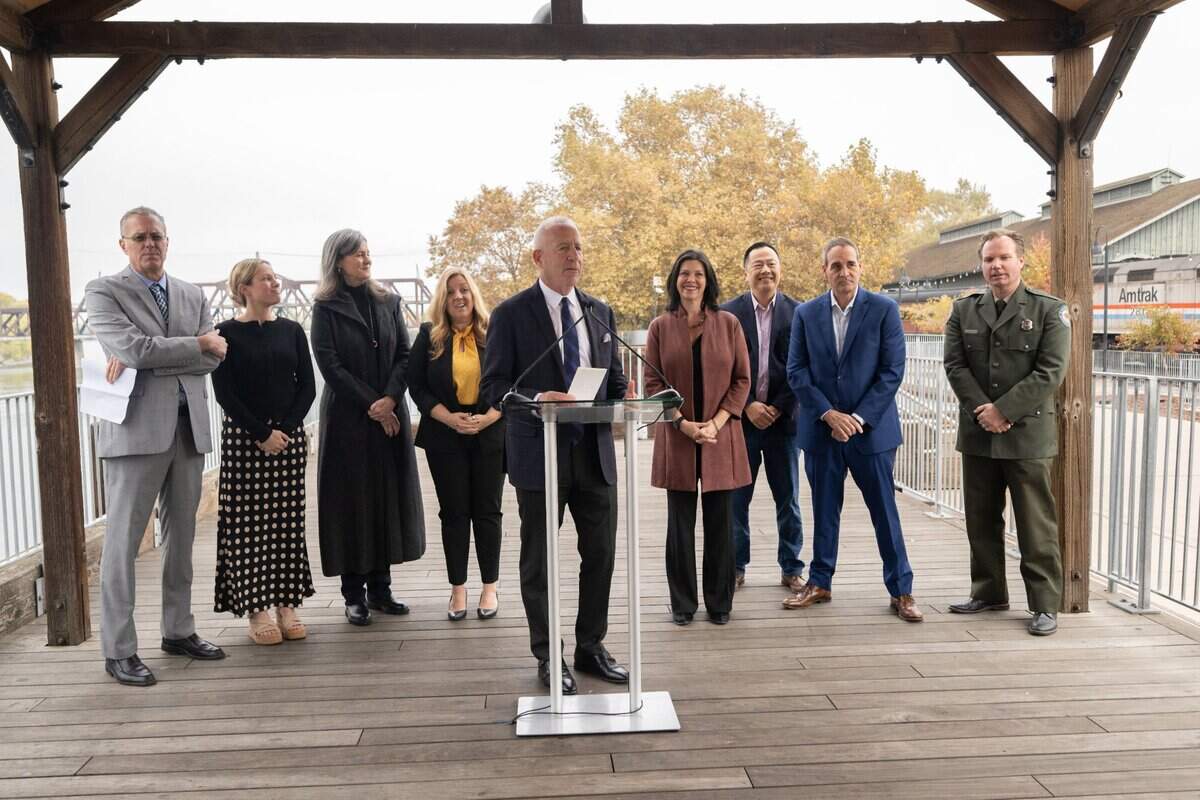
The plans were solidified by a ballot measure that voters passed two years ago — Measure N — which loosened longstanding restrictions on how hotel tax revenues could be used. Before the ballot measure passed, the city was only able to put hotel tax revenues into the general fund, or into one of a few specific types of projects.
The city levies a 12% tax on people who stay at a hotel in the city for less than 31 days. Before the passage of Measure N, which was backed by Visit Sacramento, the first 2% went to the city’s general fund and the remaining 10% was used for convention halls, public off-street parking and street projects that encourage the use of public spaces. The latter portion of the tax can now be used for economic development.
“The city and the public sector cannot fund everything. But by putting out money for infrastructure, to show that we have skin in the game, you send a signal to the private sector that this is a place to invest,” Steinberg said Thursday.
“It’s a place to invest on its own merit,” he added, “because we’re talking about the waterfront. “
The project will also receive $5 million in state funding, officials said. And nearby, a $7 million state parks project will rehabilitate a section of the riverfront, creating easier access to the water and adding gathering spaces and platforms, said John Fraser, district supervisor for the Capital District of the state parks department.
Among the planned restaurant improvement projects is the site formerly occupied by Rio City Cafe, a waterfront restaurant that closed this summer after the city refused to repair its river deck. At the time, one of the owners estimated the deck accounted for about 70% of the restaurant’s business. The city said the cost estimate was $5 million, and that officials couldn’t pull together funding to make the repairs.
The Steamers building, a historic structure beside the former Rio City Cafe site, is also part of the plans. Jennifer Singer, spokesperson for the city manager’s office, said the city plans to solicit proposals in early 2025, for businesses that would occupy those sites.
Steinberg referred questions about Rio City Cafe, and whether it might return to the site after improvements are made, to the owners.
“They were very good partners,” Steinberg said. At the same time, he continued, the city and its residents should have an opportunity to consider what would be best for that prime, waterfront space.
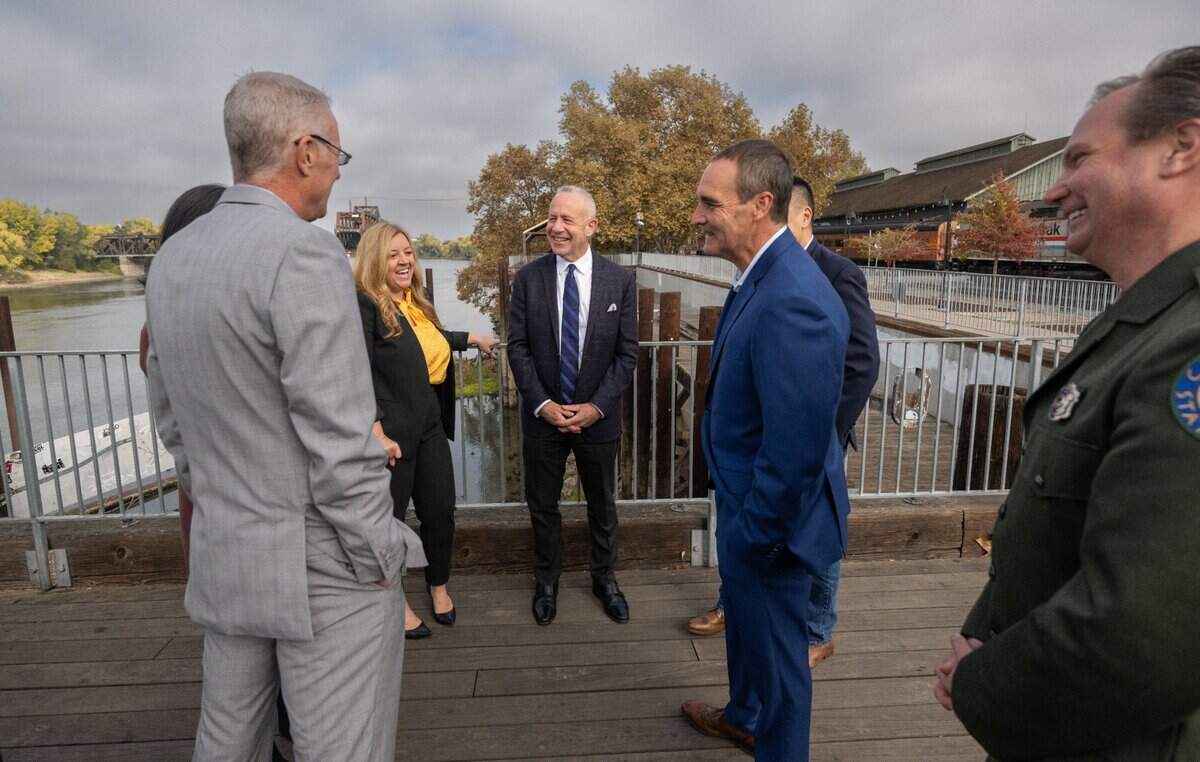
Though Old Sacramento draws a healthy stream of tourist traffic, civic leaders have viewed Sacramento’s waterfront as an underutilized area. Many believe the riverfront could be featured more prominently and offer more amenities.
They hope the waterfront improvements and the recently-announced plans to build a soccer stadium and entertainment district in the railyards — two long-awaited projects announced this month — will bring momentum to Sacramento’s downtown.
“That’s going to increase confidence that people should invest in the urban core,” said Barry Broome, president and CEO of Greater Sacramento Economic Council.
Broome said he views those two developments — and the future of 301 Capitol Mall, a long-vacant downtown block — as a “trifecta” of projects critical to the future of Sacramento’s urban core.
“People in the Bay Area and Silicon Valley shape their opinion of Sacramento by driving by the railyards and the waterfront,” Broome said. “We need to be able to attract the technology workers from that market. We need to be able to have access to Berkeley and Stanford graduates. We need to attract venture capital from that market.”
“This is really the reputation breakthrough,” he said.
This story was originally published November 14, 2024 at 1:02 PM.