Bird flu outbreak drives California egg prices higher, strains supply in stores
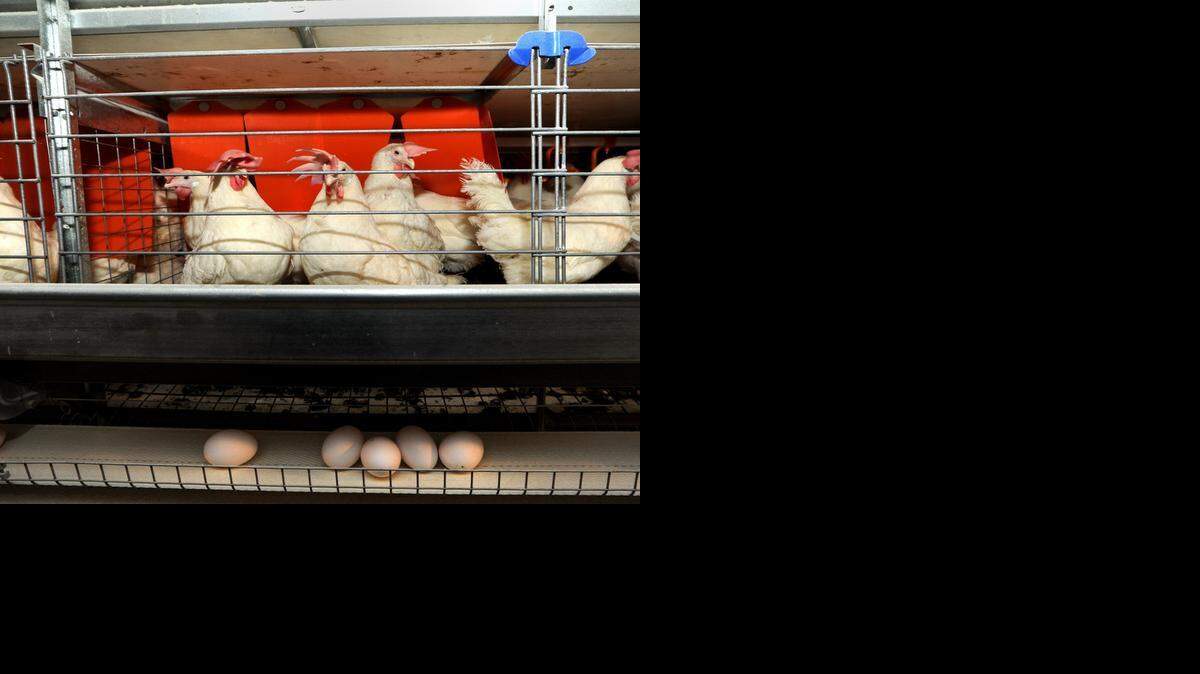
The recent outbreaks of bird flu at Central Valley poultry operations have become tangible to consumers: Egg prices have risen appreciably, and some grocery stores have begun to struggle with a choppier supply chain.
The U.S. Department of Agriculture projected that large-volume buyers like supermarkets would see egg prices hit $3.95 a dozen in the fourth quarter of this year, up from $1.82 a year earlier.
“It really is abnormal,” said Daniel Sumner, professor of agricultural economics at UC Davis. “It really is high. But it’s a consequence of this disease.”
Public health officials here and across the U.S. have been tracking sporadic cases of the avian influenza in wild birds, commercial poultry and backyard flocks for nearly three years. And in the past two weeks, the state has reported several large outbreaks among commercial egg flocks. The virus was detected in a flock of 721,000 birds in Stanislaus County, and three separate flocks in Merced County of 2.8 million birds collectively.
Sumner said it’s unclear how consumers will respond to the jump in prices. One household might hold off buying eggs for a month, while another may judge that even more-expensive eggs are cheaper than other food items.
“Hardly anyone cuts back very much in egg consumption or purchases, unless the price goes way up,” Sumner said. “They still are a relatively cheap animal protein.”
California has some experience with the phenomenon: In 2018, voters approved a proposition that required commercial, egg-producing hens to be cage free by 2022. That raised prices some, Sumner said, but egg consumption didn’t change much.
For now, grocery stores will struggle to match supply to customer demand. On Tuesday afternoon at three large Sacramento grocery stores, eggs were sold out or in limited stock.
If the outbreak subsides, supply could return within a couple of months, Sumner said.
In the meantime, customers may notice higher prices. And the effects may be felt even more deeply in certain places, like school cafeterias and dining halls.
“I’m sure,” Sumner said, “the dormitory manager at UC Davis will have noticed.”
This story was originally published December 18, 2024 at 5:00 AM.