Developers begin demolishing former Bee building, making way for housing
Workers have begun tearing down the former Sacramento Bee offices on 21st and Q streets, once an expansive and bustling complex, making way for housing projects at the site that served as the newspaper’s home for nearly 70 years.
Over the past two years, developers have put forward plans to build nearly 200 units on the property, which had fallen into disrepair since The Bee moved out in 2021.
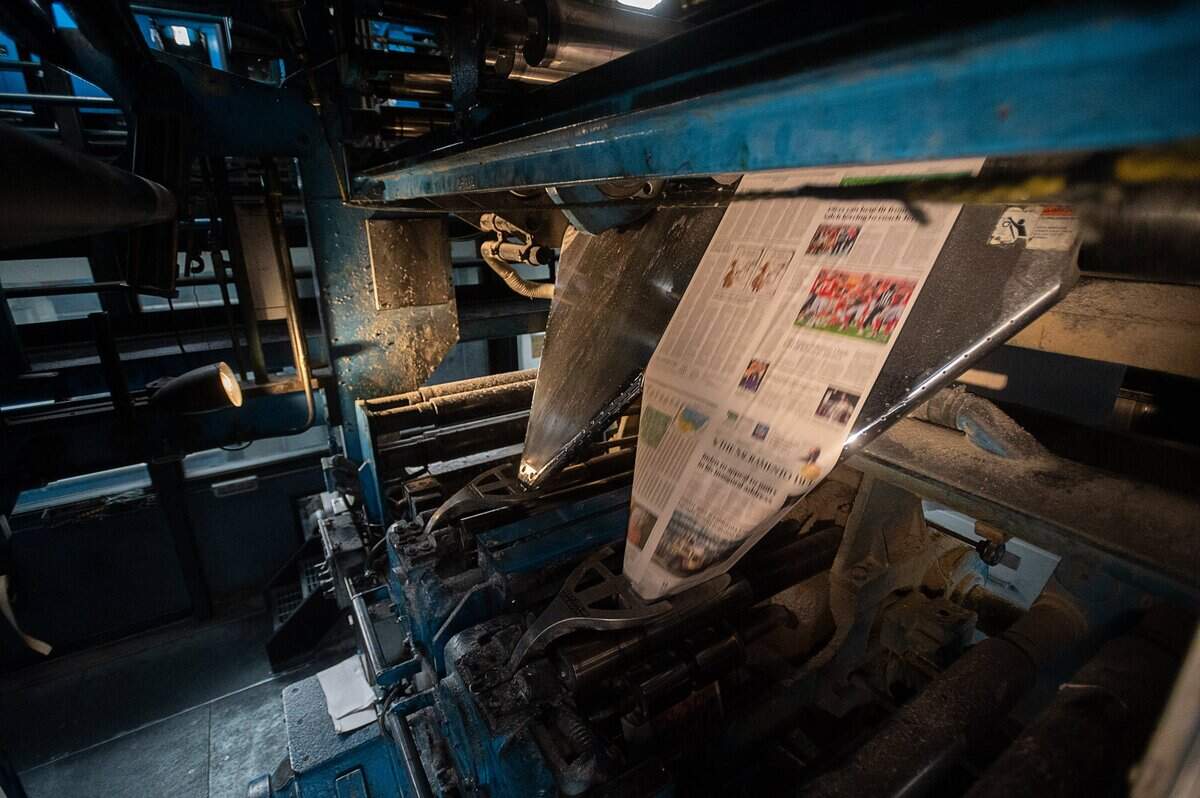
At its busiest, the site boasted a cafeteria, a gym, a library, a motor pool and gas station, a credit union and a medical office where staff got their shots and sought treatment for typing-induced hand cramps. The printing presses ran through the night, and the complex was abuzz at all hours.
Most recently, a portion of the site was acquired for $18.5 million by Tim Lewis Communities, a Roseville-based homebuilding firm with a reputation for luxury housing. The company plans to build 61 townhomes and 60 single-family condos there, which it plans to sell at market rate, each with two to four bedrooms. Atlanta-based Beazer Homes acquired a former parking lot earlier this year for $9.8 million. The firm said this week that it plans to build 48 townhomes there, each with three or four bedrooms, and has begun construction on its first building.
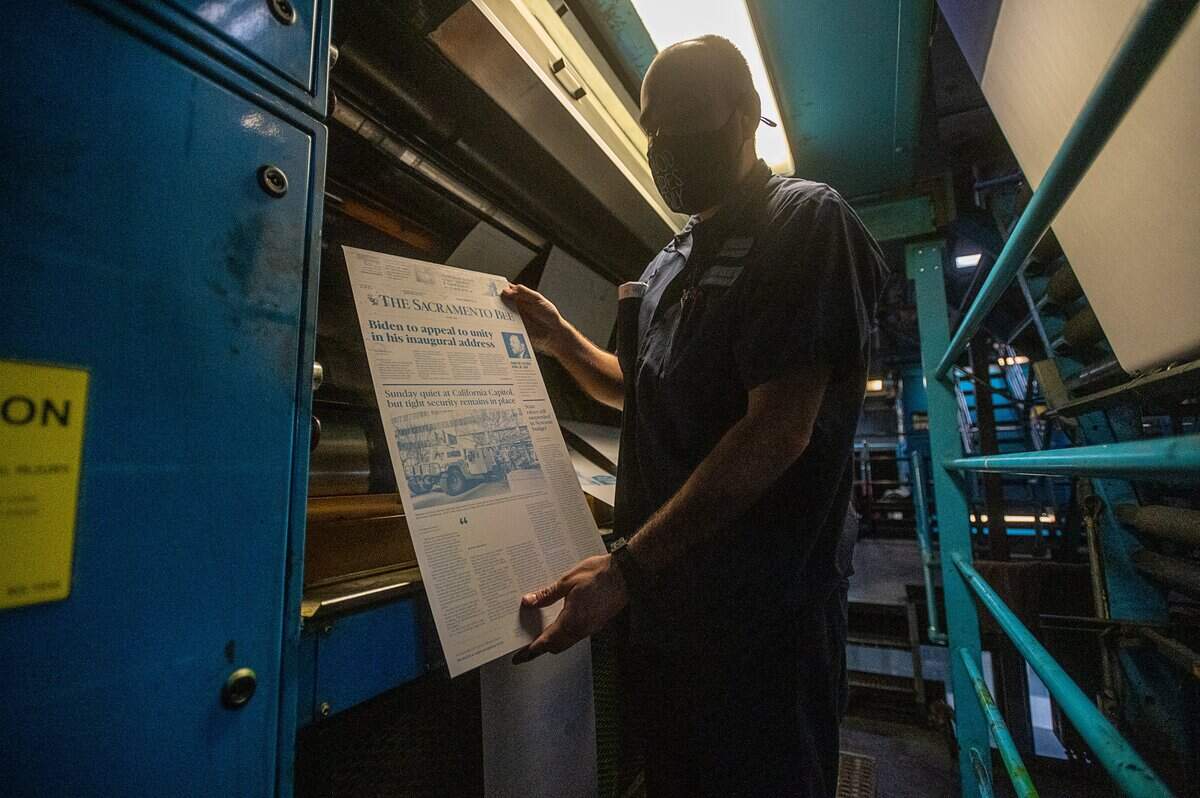
As he passed by the property on a recent afternoon, William Burg, a historian who lived by the newspaper from 2006 to 2022, recalled the racket of the printing presses, and run-ins with Bee staffers at nearby bars and lunch spots. A former concert booker, Burg used to walk through the main entrance of the complex, where the Pulitzer Prizes were displayed, and drop off news releases.
“It was part of the neighborhood,” Burg said. “You’d hear the printing presses running all night.”
.jpg "Rendering-of-Tim-Lewis-C (1).jpg")
Growth and transition
Founded in 1857 as The Daily Bee — a four-page newspaper that cost 25 cents for a week’s subscription — the paper expanded largely under Eleanor McClatchy, whose leadership spanned 1933 to 1978. After her retirement, the company grew beyond California, acquiring papers in Alaska and Washington state.
“The population had grown, and the circulation was growing and growing,” said Dick Schmidt, a photographer who worked for The Bee from 1964 to 2003. “It was a fabulous place to be.”
In the 1990s, The Sacramento Union — The Bee’s more conservative competitor — folded, while The Bee kept growing, bolstered by its reputation for investigative reporting, said Marcia Eymann, who served as Sacramento’s city historian from 2007 until this year.
“The Bee just kept getting bigger,” Eymann said.
But in the 2000s, the industry suffered a series of setbacks, including the shift from print to digital news, the accompanying competition for online ad dollars, and the Great Recession. In 2017, McClatchy sold two of its newspaper buildings — that of The Sacramento Bee and The Kansas City Star — for a combined $56.75 million. The Bee building was acquired by Shopoff Realty Investments, which leased the building back to the newspaper for a time.
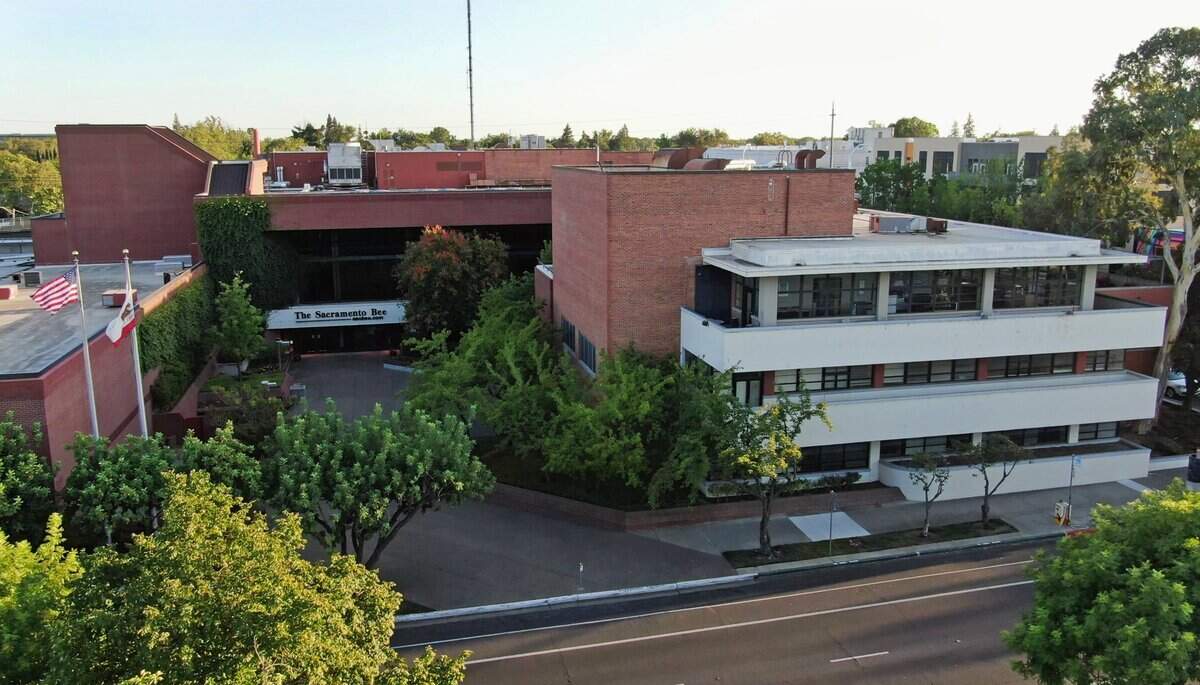
In 2020, McClatchy filed for bankruptcy, and later that year it was sold at auction to a New Jersey-based hedge fund, Chatham Asset Management. The Bee’s printing operations were transferred to Fremont in early 2021 and, that summer, the newsroom staff left the property on Q Street and moved about a mile east to The Cannery complex on Alhambra Boulevard.
Shopoff secured entitlements for housing on the property, and steadily divested bits of the real estate: The former daycare building, the fleet building, the transmission tower, two parking lots and the main building.
Train tracks and cinder blocks
The newspaper complex was elaborate. Railcars arrived on a set of tracks on R Street to deliver rolls of paper for the presses. The light rail passed by on elevated tracks, and rattled the sports department.
“It was really something to behold, when the presses were running full steam,” said Marcos Bretón, McClatchy’s California opinion editor, who began working for The Bee in 1989 as a nightside general assignment reporter. “In the dead of night, this fleet of trucks would show up, and they would load them up with papers. And off they would go.”
The sports reporters used to razz the former building manager, Mark Walters, about the outdated climate control system. They’d call, Walters said, and say: “I’m so hot now, I’m down to my boxer shorts.’”
He’d respond: “‘Do not take off your boxer shorts. I will be up shortly.’”
There was a hidden spot on the fourth floor, where Walters would take Bee “lifers” upon their retirement, to leave a signature in black ink on a cinder block.
“It was a big secret,” he said. “We never told anybody. On your last day, you got to find out.”
There were relics of the property’s former life as a brewery, Buffalo Brewing. A cylindrical chandelier advertising “Buffalo Lager.” A window appliquéd to resemble stained glass, with an image of a man grasping a stein and a pipe in the center. An artesian well in the basement, which, Walters said, the company eventually had to demolish for environmental concerns.
Mary Lynne Vellinga, who worked for The Bee as a reporter and editor between 1991 and 2018, said despite 27 years there, she couldn’t claim to know her way around every corner.
“It was easy to get lost,” she said.
Former employees described the site as somewhat all-encompassing workplace, which one needn’t leave except for reporting.
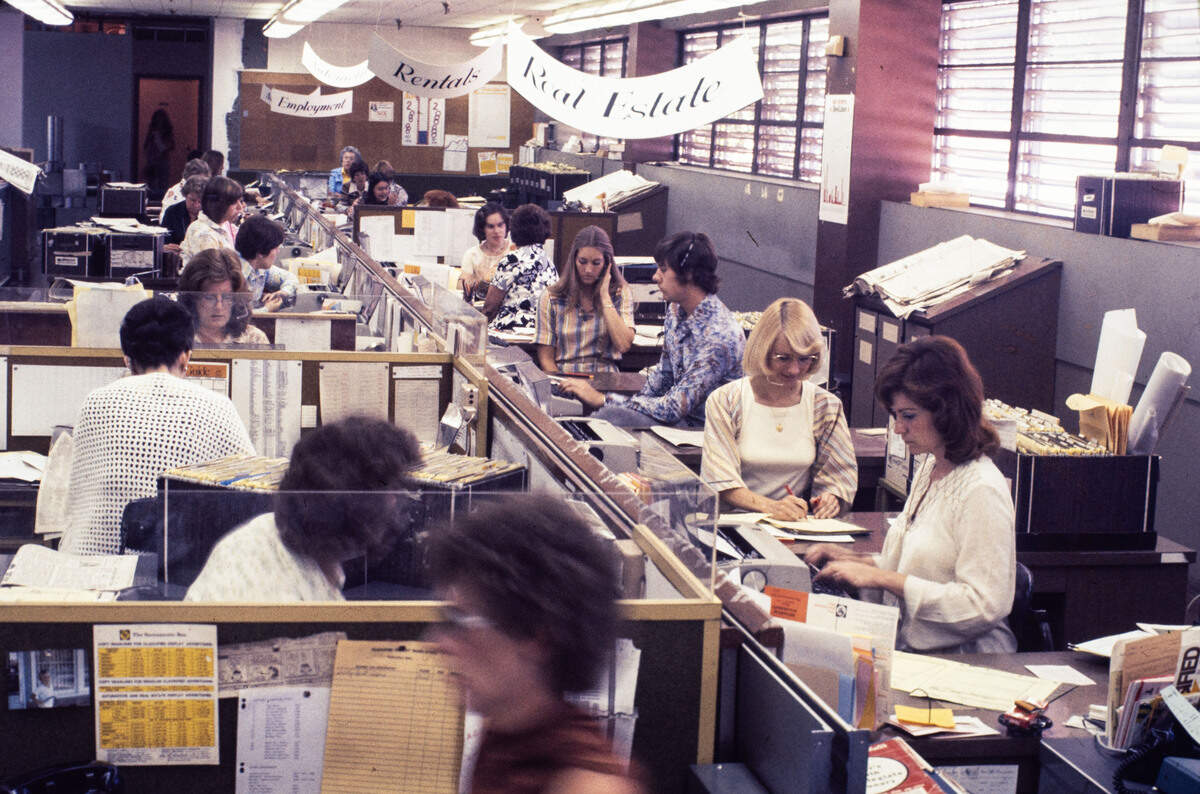
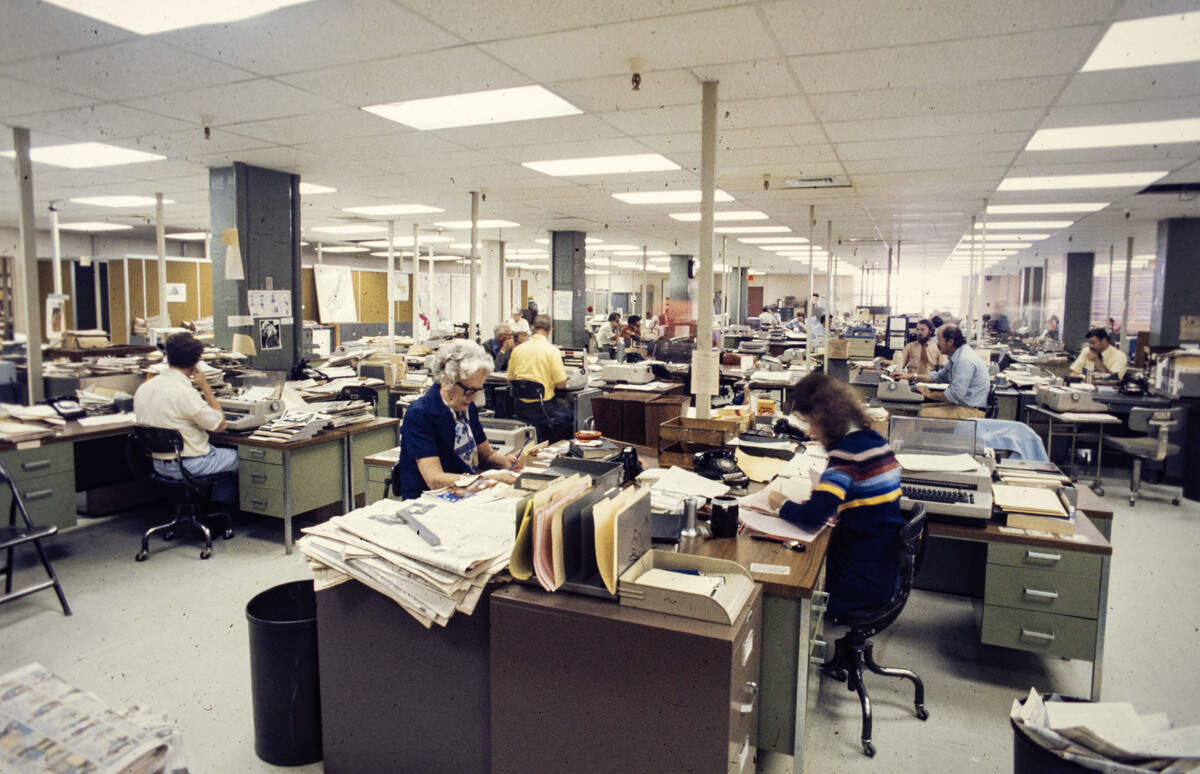
“Twenty-first and Q, in its heyday, was a city under one roof,” Bretón said.
The gym offered classes where employees from different departments met and developed lifelong friendships. On rainy days when people would stay in the building for lunch, one was hard-pressed to find a free seat in the cafeteria.
“You did not have to go home from The Sacramento Bee,” Walters said.
The printing press area extended two floors below street level. Schmidt, the photographer, captured the building in a series of visits after the newsroom was relocated, and said he was stunned to discover passageways and tunnels he’d never seen while working there. After the building was acquired, the new owners would occasionally ask the former building manager to come back and help them find electrical meters, valves and other such items.
“It was a labyrinth,” Walters said.
‘All that fresh ink’
Hundreds of employees’ lives were marked by their time reporting, writing and printing decades of news at 2100 Q St.
“There’s a lot of sentimentality about what we all went through,” said Sam Stanton, who worked as a senior writer for The Bee from 1991 to 2024. “We covered a hell of a lot of things from that building, and had a huge impact on this city and this region.”
During night shifts, Kathy Morrison would venture downstairs to the presses to retrieve early copies of the paper, and check them over for errors.
.JPG "SAC_1716_HA_250805_SacBee (1).JPG")
“That was a thrill,” said Morrison, who worked at the paper as a copy editor and page designer from 1995 to 2017. “All that fresh ink on it. … And you wrote the headline or worked on the layout.”
Walters, the former building manager, had a career with the paper that stretched, unofficially, back to the late 1960s or early 1970s when, at his mother’s request, he’d ride his bike through the streets of Woodland in the pre-dawn hours, chaperoning his younger brother along his paper route.
“I’ve still got a grudge against my brother,” he said with a chuckle, “because I never got paid a dime.”
What mattered really, former employees said, were the shared moments — from somber or exciting news events, to celebrations over Pulitzer Prizes and other awards won, always commemorated with a cake from Freeport Bakery.
“It was the camaraderie of the newsroom that made it special,” Morrison said. “That’s the kind of thing you remember. … It doesn’t show up in the paper. But those are the nice memories.”
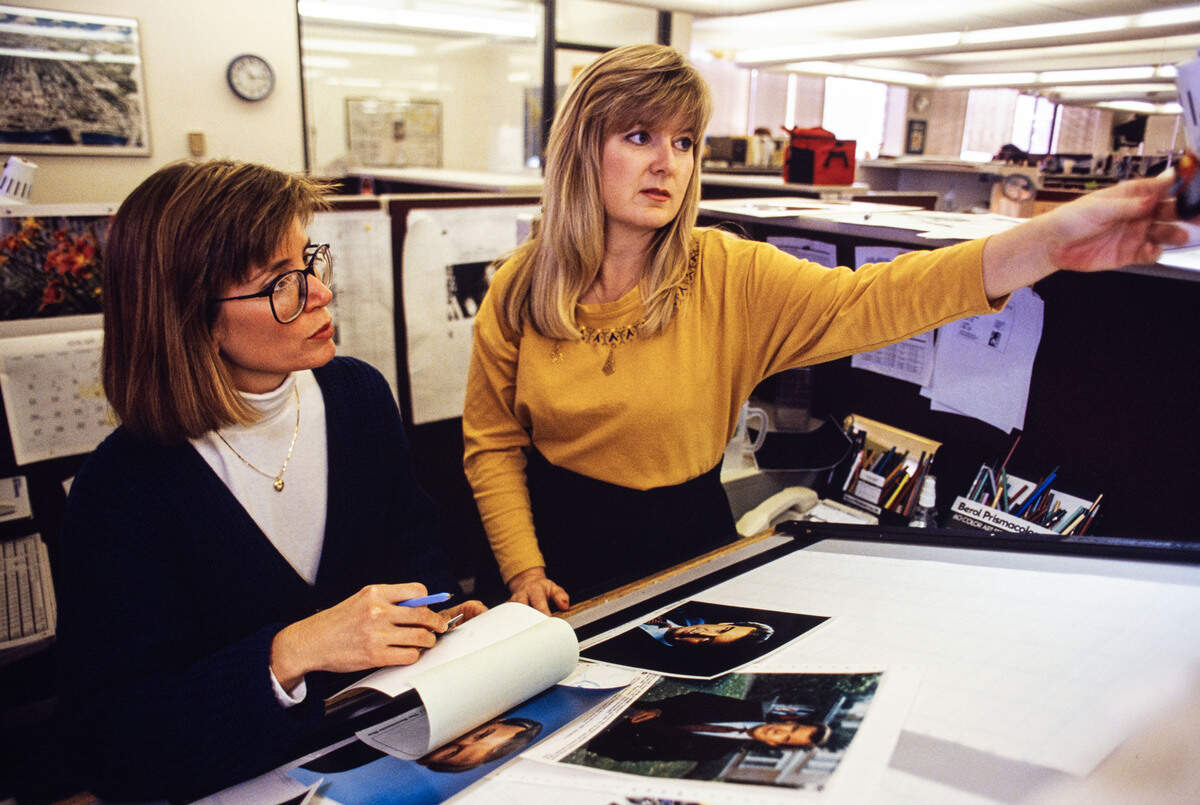
The bricks and mortar at 21st and Q streets didn’t make The Bee, said Bretón, the opinion editor.
“What made the place were the people who worked there. That just happened to be our gathering place,” he said. “It was a beautiful place in its day, where good people gathered to do something that we all felt was important. That’s how I remember it.”
Several current and former Bee employees, in recent weeks, have visited the site to see it move into its next stage of life, including Ed Fishbein, who worked at the paper as a copy editor and editorial writer from the mid-1990s until 2019.

When Fishbein visited the property on a recent afternoon, a mad nest of rebar and brick rose over the horizon of a chain-link fence on 23rd Street. The windows along Q Street were gone, and the building that long housed the printing presses sagged over onto itself. On a cleared, dirt section, beside a construction-site portable, Beazer Homes signs advertised: “Modern Townhomes Coming Soon.”
“There’s a sense that something is finally happening with the property,” Fishbein said. “I don’t know if relief is the word.”
The latest housing project, by Tim Lewis Communities, will be known as “Q21 At The Press.”
Besides the name, it may include some other nods to the past.
“We definitely want to keep the sentiment, and do some marketing with that brick feel, that holds onto the history,” said Linda Schwartz, the firm’s director of sales and marketing.
Construction, she said, could begin early next summer.
.JPG "SAC_1744_HA_250805_SacBee (1).JPG")
This story was originally published August 13, 2025 at 5:00 AM.