Hydrogen-powered train debuts in West Sacramento. What are benefits, limits?
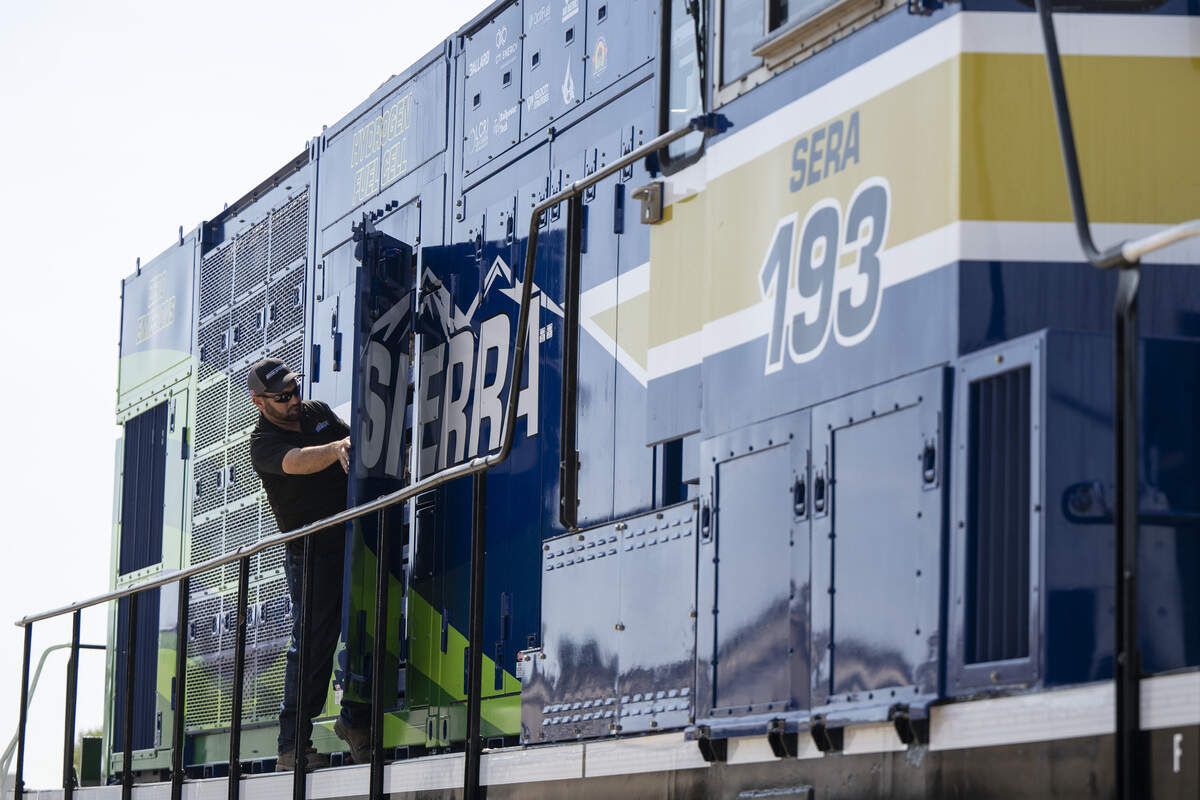
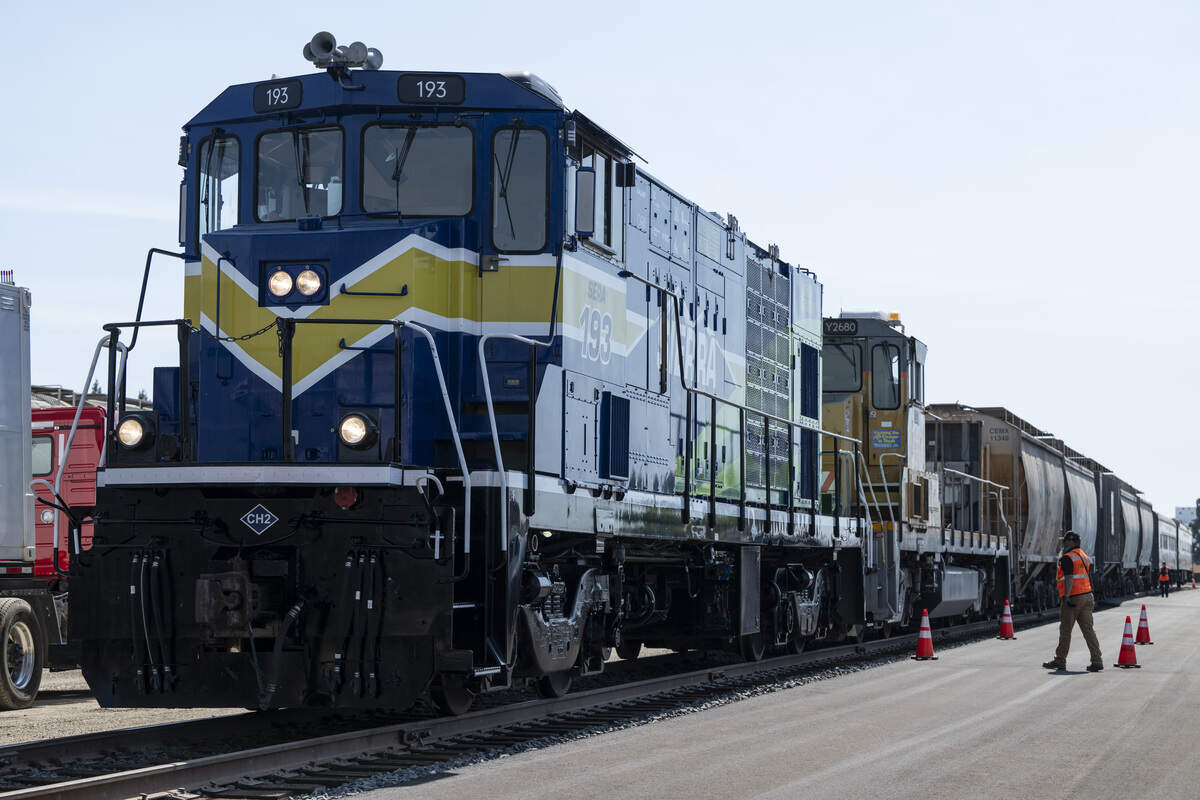
A West Sacramento-based railroad operator said it has built a first-of-its-kind locomotive powered by hydrogen fuel cells, and plans to build more for its own fleet and other railroad companies.
“It’s the one and only,” said Sierra Northern Railway President and CEO Kennan Beard III, after the locomotive, “SERA 193,” pushed five traincars into the railyard on Industrial Boulevard Thursday morning. “It’s the first.”
The railroad operates 42 locomotives throughout California, and plans to market the trains to other companies, which collectively run another 260 throughout the state.
Hydrogen-powered vehicles have existed for decades. Former Chicago Mayor Richard Daley toasted the city’s first hydrogen bus in 1995 with a glass of water collected from its tailpipe. In recent years, local transit agencies have increasingly adopted hydrogen fuel cell buses, and thousands of California drivers have bought personal hydrogen cars, though fuel availability has proved spotty.
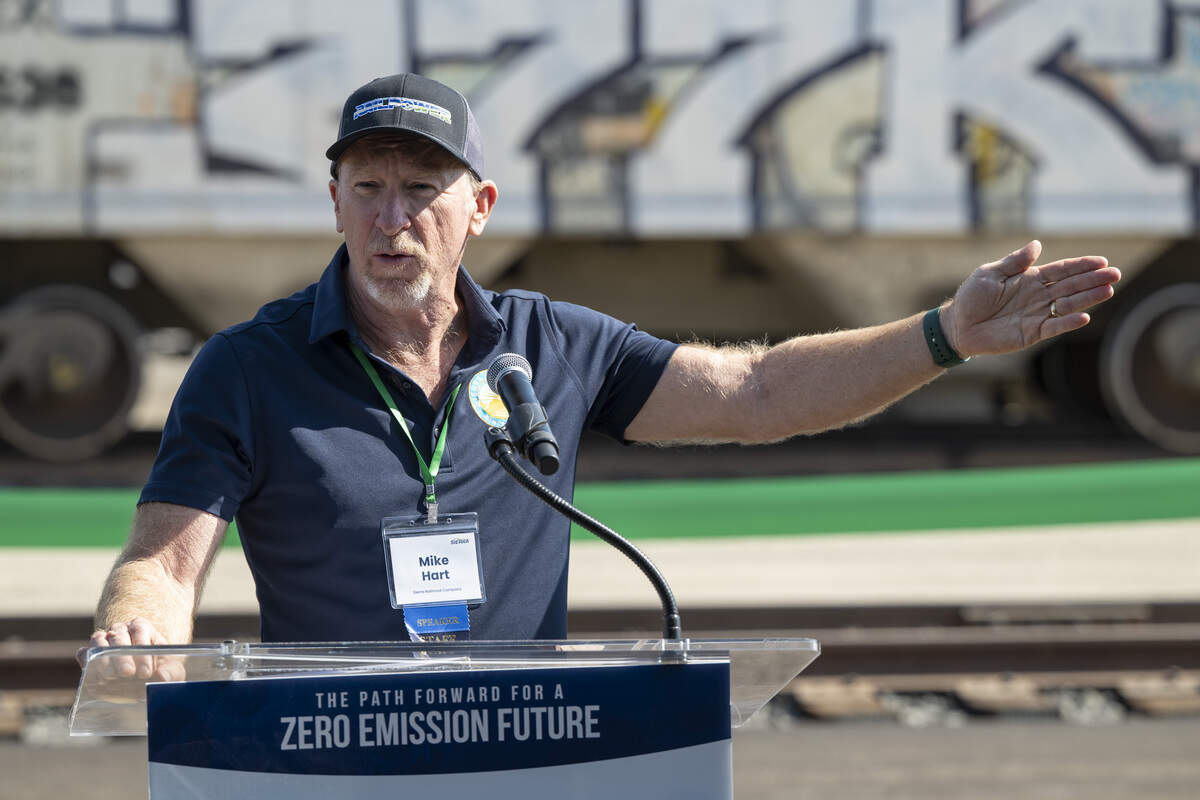
But it has taken a long time for batteries to become energy-dense enough to power a machine as large as a train, said Mike Hart, CEO of Sierra Railroad Company, Sierra Northern’s parent company. Hart said the company has discussed the idea since 2003, when it founded Sierra Energy, a subsidiary intended to develop hydrogen fuel cell trains.
“The energy density of fuel cells in batteries in 2003 — it just wasn’t going to work,” Hart said.
Now they’ve crossed a threshold. Still, the locomotive unveiled Thursday doesn’t have the capacity to make long, cross-country trips, towing hundreds of cars. For now, officials said, the hydrogen locomotives will be used as “switcher” engines that traverse the railyards each day.
Even that, officials said, may make a difference for area residents.
Eric Guerra, a Sacramento city councilmember who serves on the California Air Resources Board, said the trains used in railyards are often older, louder engines, and release emissions closest to population centers.
“They tend to be the oldest in the fleet,” Guerra said. “They tend to be the ones that have the most impact on our communities.”
Some believe the trains could, one day, run the long-haul journeys across the country made by operators like Union Pacific and BNSF.
“This isn’t appropriate for them today. There isn’t enough energy in this,” Hart said. “But just in the space of a few years, we’ve already doubled the energy density in our locomotive.”
The more energy and money they save, the better his economic case becomes, for other railroads to adopt hydrogen-powered locomotives.
“That’s what I see as our job now,” Hart said. “To create a business case for railroads to make the conversion. Not just because it’s good for the environment. Not just because it’s good for your neighbors and your employers. But because it’s a good business decision.”
This story was originally published September 4, 2025 at 3:31 PM.