Citrus Heights fights to restore Sunrise Mall, its onetime economic center
AI-generated summary reviewed by our newsroom.
- Citrus Heights filed suit in July 2024 against Sunrise Mall's main property owner.
- City backs redevelopment plan with housing, parks and retail.
- Sunrise Mall generates one-tenth the sales tax it did 25 years ago amid ongoing decline.
In the 1990s, local officials drew the lines around 14 square miles that would one day become the city of Citrus Heights. At the time, some viewed the inclusion of Sunrise Mall as critical to the future city’s survival.
One county supervisor at the time called the shopping center and its $1.9 million in yearly sales tax revenues “key to whether they have a viable city.” For a time, City Manager Ash Feeney said, “it was the city’s economic engine.”
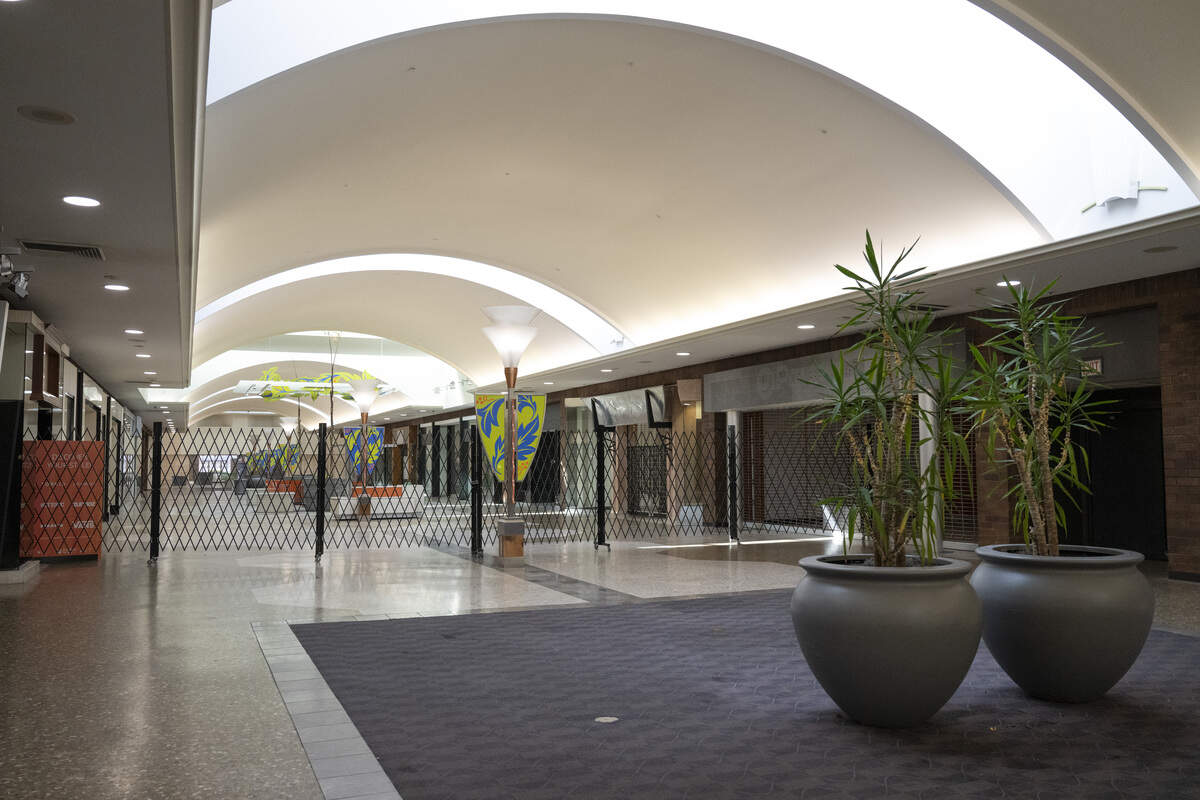
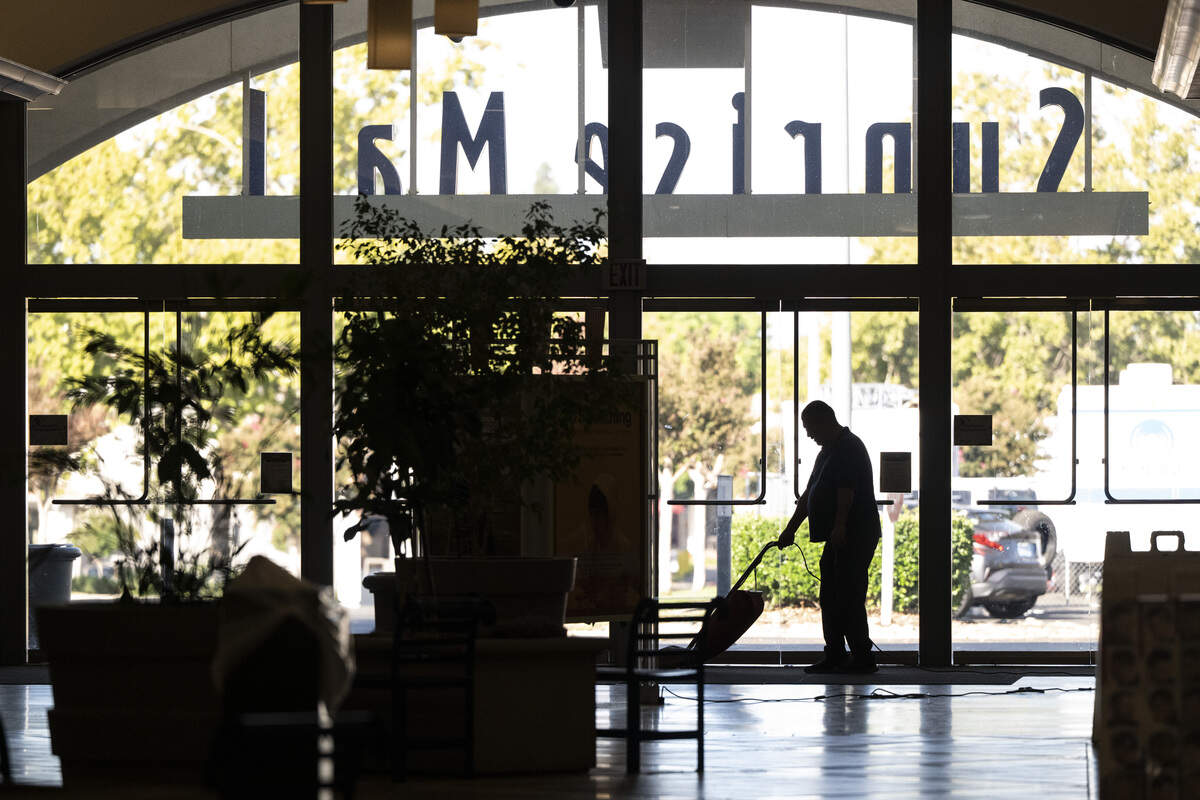
These days, the central shopping area is lined with vacant storefronts. Revenues have sunk reliably for decades, and Sunrise Mall yields the city one-tenth of the sales tax revenues that it did 25 years ago.
In July, Citrus Heights filed a lawsuit against the site’s largest property owner, and in August, the city took a step that could lead, eventually, to taking control of a portion of the real estate through eminent domain.
The city is pursuing an ambitious vision for the property, which would open it up from classic retail to a variety of other uses, including housing, entertainment and hotels. It contemplates up to 2,200 units of new housing and proposes transforming a “sea of surface parking lots into a green oasis” with walking paths and a “commons” for festivals and concerts.
The city’s plan would diverge from the more car-based uses that have been proposed for Sunrise Mall over the years, such as gas stations and drive-thrus. Residents have made clear that they want the site returned to its former status as a “community living room” of sorts, said Meghan Huber, the city’s economic development director.
The stakes are clear — as is the potential. Sunrise Mall, which opened in 1971, is often described as “Main on Main” for Citrus Heights. Indeed, Feeney said, it’s at the second-busiest intersection in the county.
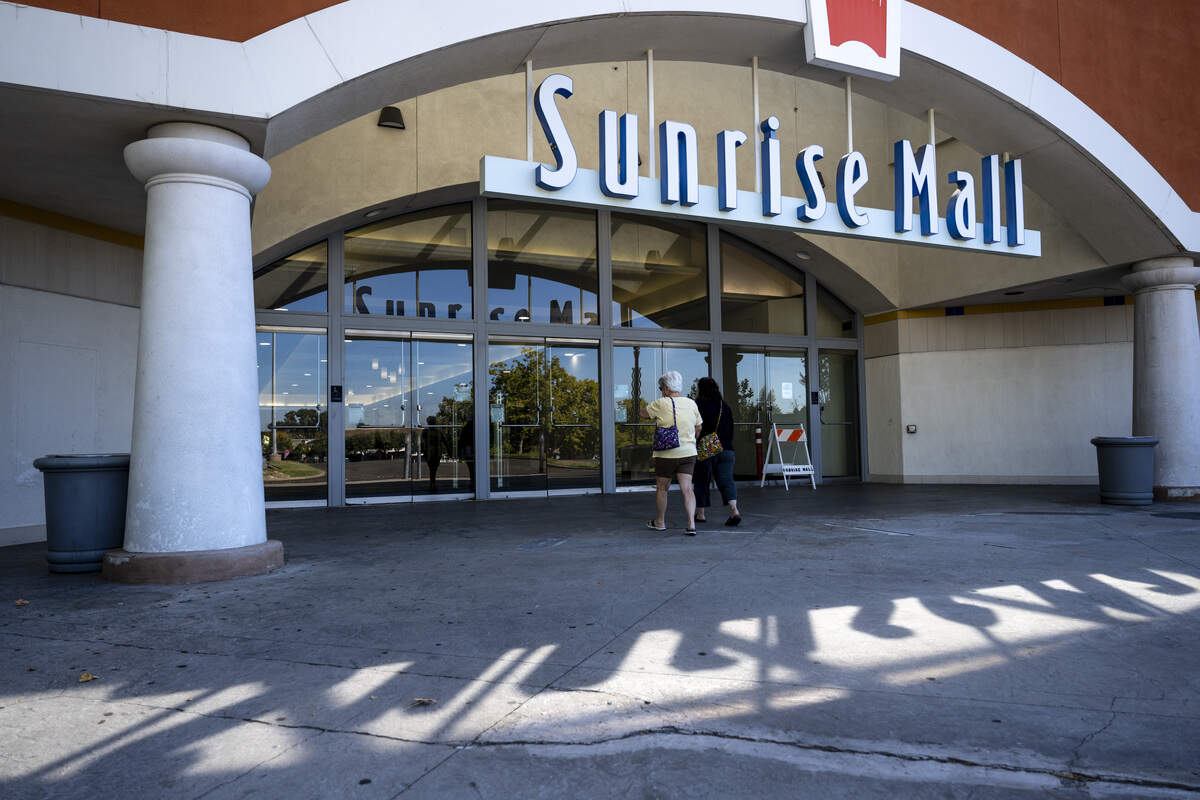
But to restore the city’s community gathering place, Sunrise Mall must overcome a wary economy and consumers’ disinterest in brick-and-mortar retail.
“If the city wants to dictate what happens there, I think they’re on the right path. Buy it. Control your own destiny,” said Steve Edwards, president and CEO of The Edwards Company, a boutique brokerage in Sacramento. “The city might be disappointed in the outcome — of what the market dictates.”
On the other hand, ambitious projects take time but can yield a better result, said Barry Broome, president and CEO of the Greater Sacramento Economic Council.
“Citrus Heights isn’t allowing itself to be understated,” he said.
‘We’re doing everything we can’
Today, five different firms own pieces of the Sunrise Mall property, but a majority is held by Namdar Realty Group, a New York-based real estate firm and prolific owner of American malls.
In July the city filed a lawsuit against Namdar, alleging that it had allowed its portion of the mall — which includes the central shopping area and more than 100 individual retail spaces — to deteriorate to the point of public nuisance.
The lawsuit said the city police department responded to a disproportionate number of calls to the property, and more than 255 criminal incidents in three years. There was widespread water intrusion in the building, the complaint said.
In court filings, Namdar denied many of the city’s allegations. Through a spokesperson, the company declined to comment on the property.
But the company has fielded similar complaints by other municipalities. In Pennsylvania, Frazer Township sued Namdar last fall for failing to maintain roads near its mall, Pittsburgh Mills, the Wall Street Journal reported. In Maine, the city of Bangor sued Namdar twice last year, first for code violations including a leaking roof and parking lot disrepair at a local mall, then for a broken sewer line, according to the Bangor Daily News.
Namdar did not respond to an inquiry about these three cases.
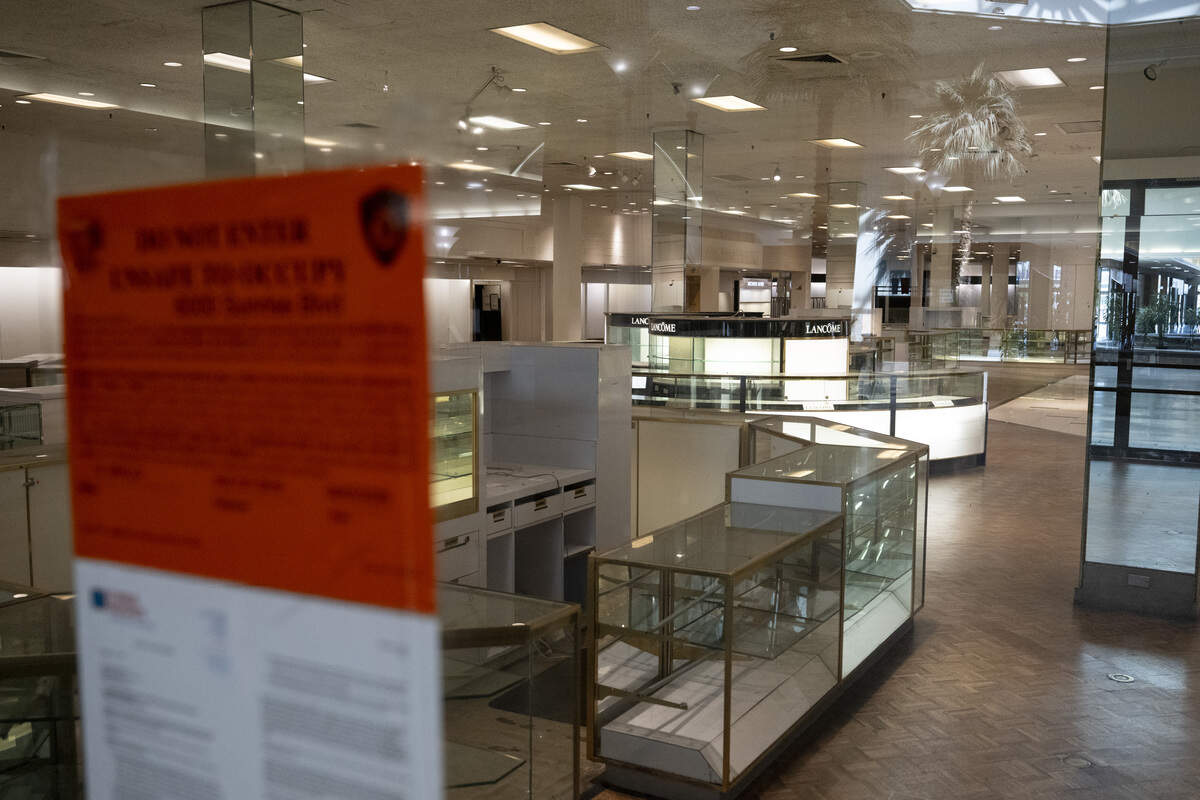
Last month, Citrus Heights announced that it was launching an appraisal of the portion of the mall that Namdar owns. Feeney, the city manager, said that the appraisal doesn’t necessarily mean the city will move to take over ownership through eminent domain, which would require public action at city council. But if the city took that path, it would have to compensate the owners for the land, and seeking a good-faith estimate of a property’s value can be a first step, said David Levine, a professor who teaches remedies at the University of California College of the Law in San Francisco.
In the meantime, the city isn’t waiting idly by, said Huber, the economic development director. Staff are working to recruit hoteliers, and studying different financing options for the site.
“It is something that we work on, proactively, every single day,” Huber said. “We’re not just leaving it to owners. We’re not just leaving it to the market. We’re doing everything we can to be able to unlock its redevelopment and its potential.”
Last spring, they saw a mark of progress when an East Bay firm came to city council with plans to subdivide its section of the property, northwest of the main mall building, to build a hotel.
The firm, Ellwood Commercial Real Estate, bought the land because of the city’s plan for the overall site, said Patrick Ellwood, the company’s president. The parcel — Ellwood’s only property in the Sacramento area — included a U.S. Bank and a vacant piece of land designated for a hotel.
However, with interest rates and construction costs high and the economy on uncertain footing, Ellwood said, “the hotel market is not strong.”
The mall-walkers of Citrus Heights
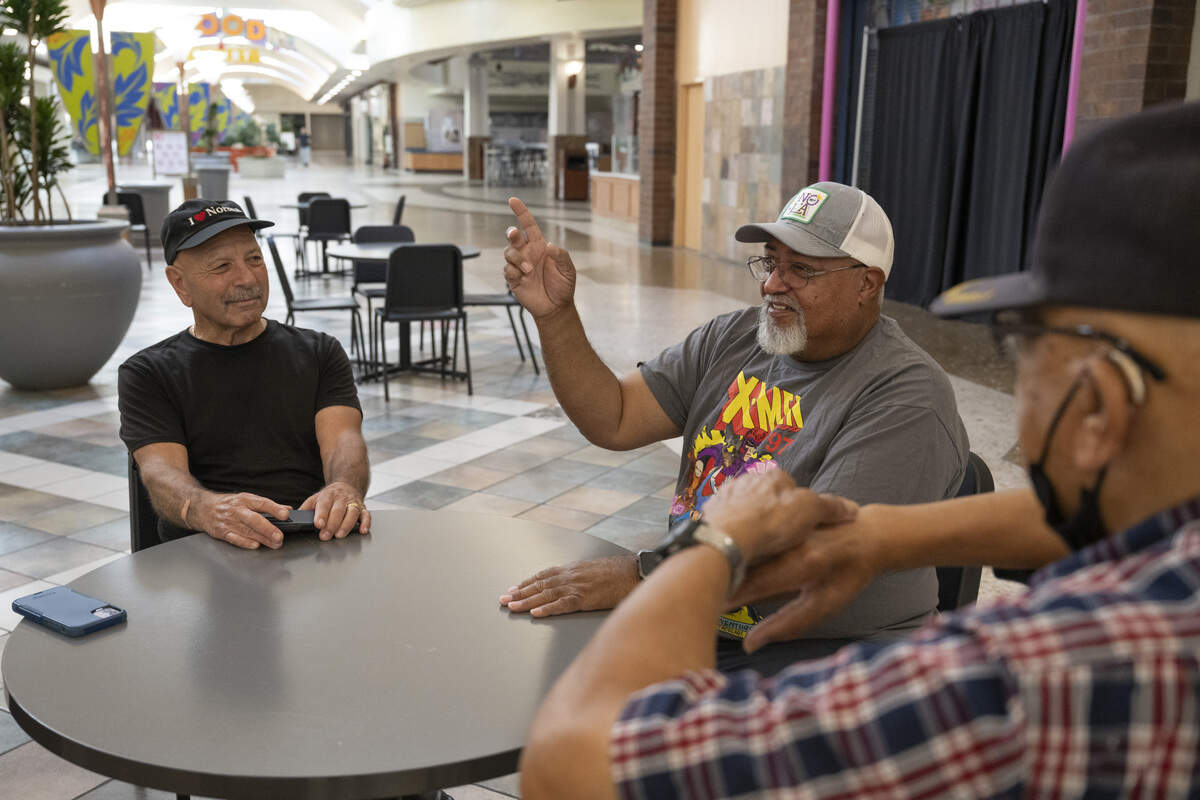
Over the years, some of the mall’s closest observers have been the mall-walkers who traverse the shopping center most mornings — and have been doing so, in some cases, since before Citrus Heights was incorporated in 1997.
When one doesn’t show up for a few days, they worry. When the fruit trees ripen, the walkers bring bags to share.
Several said that they noticed stores leaving in the 2010s, but that the larger decline happened during the pandemic. Now, with a smattering of storefronts open, and many others vacant, they worry about the mall’s future.
“This has become a habit,” said Vernon Dozier, 70, of Citrus Heights. “I get up every morning to come here and walk. I’ve made good friends here… I’ve become quite attached to these folks. I’d hate for this to stop.”

A half-dozen of the walkers said they believe the mall could be revitalized with additional retail. Sure, Sears won’t reopen, said Kandice Schwenk, who moved to Citrus Heights 35 years ago. But she doesn’t see why it can’t be replaced with another store, or another use.
“I don’t understand. I see potential here,” she said. “I see this mall coming back.”
That was the idea behind a proposal earlier this year by Ethan Conrad Properties, a Sacramento developer that already owned 21 acres at the site, to bring in a Home Depot, an In-N-Out Burger and other drive-thrus.
The city council rejected the plan, and residents argued that the proposal would increase traffic, and the businesses offered would be repetitive of others nearby.
The best possible outcome for Sunrise Mall, said Feeney, the city manager, is one that can draw people from across the region, and create somewhat of a downtown for Citrus Heights.
The city’s plan for the property would put a greater emphasis on outdoor spaces, with parks, plazas and streets. It would include office space, town homes, and an entertainment area with a movie theater, bowling, restaurants and clubs. The plan projected that, over the course of 20 years, the site could bring in $505 million in tax revenues.
When the city surveyed residents, the overwhelming desire was for a mixed-use destination with a Main Street feel, Huber said.
The malls that flourish today are de facto entertainment centers, often lined with high-end retail and restaurants, and multiple movie theaters, said Sanjay Varshney, founder and principal of Goldenstone Wealth Management and finance professor at Sacramento State.
“You have glamorous buildings, beautiful stores, beautiful facades. The outside looks beautiful, the inside looks beautiful. They’re clean. They have attractive retail, they have attractive dining options,” Varshney said. “People want more. And more includes more glamorous stuff.”
The mall competes with the not insignificant retail forces of Roseville, Folsom, Elk Grove and Natomas. One store employee at Sunrise Mall, who requested anonymity because they were not authorized to speak with the media, reported seeing one or two customers each day.
“We see it as a really viable asset,” said Broome, the economic council head. “But we’ve always found investors resistant… The easiest thing to do is buy something and hold it.”
Despite its challenges, experts emphasized, Sunrise Mall is located in a dense area with plenty of passersby.
“That’s one of the most well-traveled intersections in all of Sacramento,” said Edwards, the real estate broker. “Citrus Heights is a really solid, reliable retail trade area.”
This story was originally published September 25, 2025 at 5:00 AM.