
Seven people have died in a Southern California county. Bacteria tied to heroin blamed
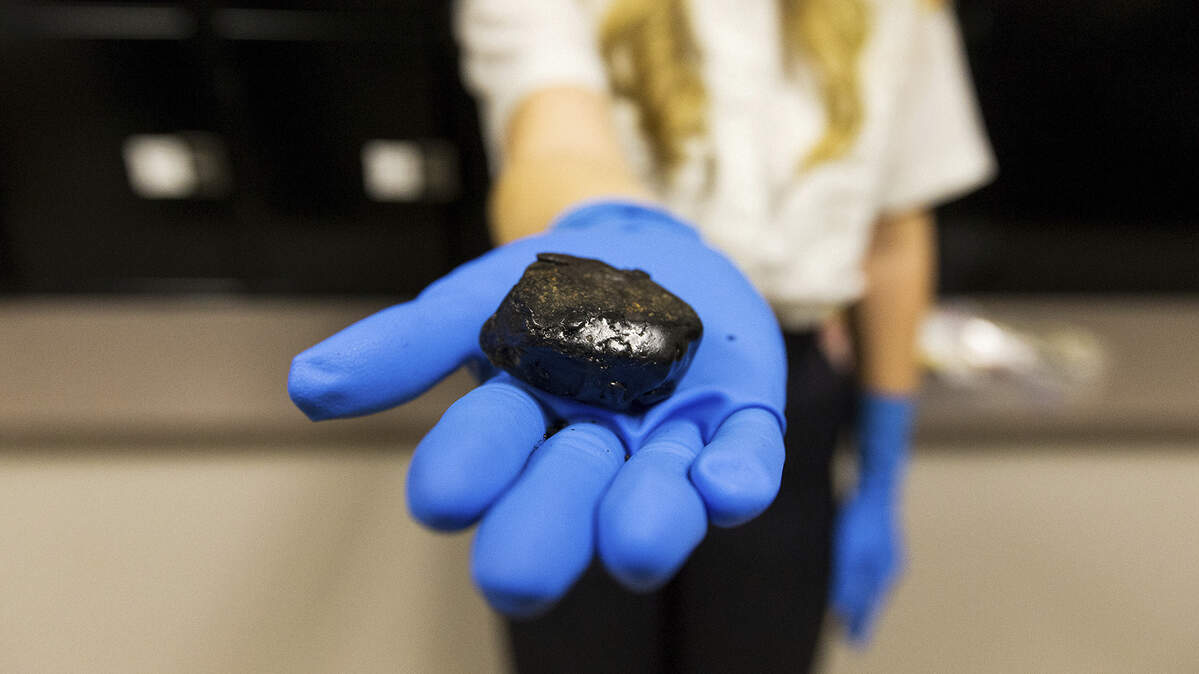
Seven San Diego residents are dead from a flesh-eating bacteria tied to black tar heroin and county health officials are on the alert for yet more cases.
Officials from San Diego County Health and Human Services Agency on Thursday announced the two-month string of deaths from the soft tissue infection myonecrosis and have told the medical community in this county of more than 3.3 million people to watch for more cases.
Nine people between Oct. 2 and Nov. 24 were admitted to county hospitals. All but two died. The patients ranged in age from 19 to 57 years old. Five were men. All fell victim to the muscle-destroying infection that, if left untreated, can spread through the body and cause shock or death.
“It can be in the dirt, it can be on the surface of your skin, it can be the surface of a needle, but when you have a cluster like this, it makes it very suspicious that it’s the actual black tar heroin itself that’s contaminated,” Dr. Eric McDonald, director of epidemiology and immunization services at the San Diego County Health & Human Services Agency, told The Associated Press. “We’re sort of operating under that assumption.”
San Diego health officials also reported a separate case of wound botulism in October – one of 13 cases reported in Southern California since September. Wound botulism is rare, say health officials, but lays siege to the nervous system, causing paralysis and even death if left untreated.
Most of those cases were linked to injected black tar heroin, said San Diego County health officials.
People who inject the drug leave themselves at higher risk of fatally overdosing and are more liable to developing myonecrosis and wound botulism, said Wilma Wooten, San Diego County public health officer.
Symptoms of wound botulism appear within days or weeks and mimic a drug overdose. It also can lead to paralysis that begins at the face and head before immobilizing the limbs and trunk.
Health officials and local law enforcement still have not traced the sources of the black tar heroin, but say the first case was confirmed in October. An investigation is continuing.
.JPG)