
Canada surprises Salinas Valley with tough rules on romaine to prevent new E. coli outbreak
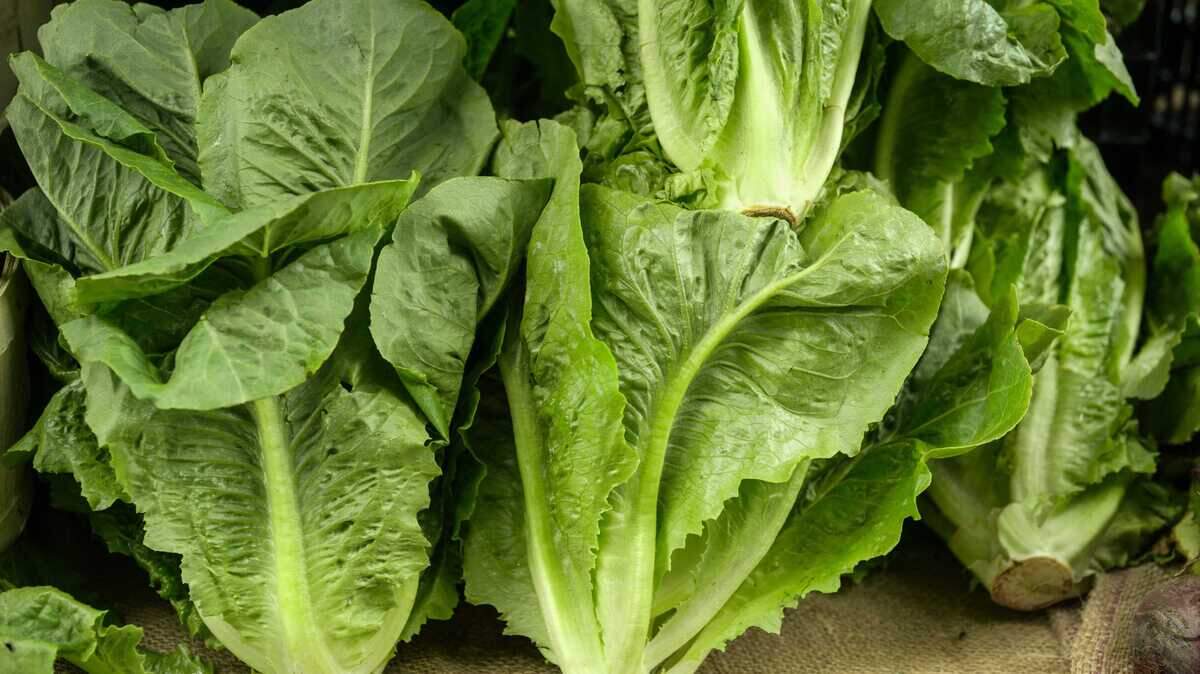
Growers in California’s Salinas Valley have long called it “The Salad Bowl of the World” but one major customer is now pushing away from the table.
Canada is levying stringent new import standards on Salinas Valley-grown romaine lettuce and mixed salads containing romaine beginning Wednesday until year’s end on concerns over a potential E. coli outbreak this fall.
The decision announced by the Canadian Food Inspection Agency a week ago and reported by the Monterey Herald has rattled local leaders who say the move effectively shuts down romaine exports to Canada from the Salinas Valley.
Central Coast Congressman Jimmy Panetta, D-Carmel Valley, who represents the growing areas and sits on the House Committee on Agriculture, called the new import rules “an unwelcome surprise” that unfairly targets Salinas Valley producers and will do little to improve the crop’s overall safety.
The decision “could prevent local growers from exporting romaine to Canada for the remainder of the year,” Panetta said in a response posted on his website. “These requirements ... are not based on a current outbreak or failed tests and amount to a non-tariff barrier.”
Panetta and others say the move caught them by surprise because no reports of E. coli contamination have been traced to Salinas producers this year and say the decision isn’t based on sound science, the Herald reported. Panetta said he has been in “immediate” contact with the White House, the Food and Drug Administration, the Department of Agriculture and trade representatives to “ensure any new standards are workable for our growers.”
Importers must now either prove that romaine shipments to Canada do not originate from the four-county Salinas Valley — Monterey, San Benito, Santa Clara and Santa Cruz — or provide an accredited lab’s official OK that the romaine has below-detectable levels of E. coli.
The Canadian directive applies to all U.S. shipments or romaine, bulk, bagged and fresh and all varieties. Canadian food inspectors say more than 50,000 shipments of romaine lettuce or salad mixes containing romaine were imported into the country from June 2019 to July 2020.
Romaine lettuce is a chief cash crop in one of the nation’s most fertile growing regions. The impact could be significant.
The value of the four-county valley’s combined crop was nearly $695 million in 2019, according to the Monterey County Crop Report, the Herald reported. More than 96 million pounds of produce was exported to Canada from Monterey County alone, reported the Herald.
But Canadian agriculture officials appeared to insist the move is a precaution worth taking, citing several outbreaks tied to California produce in recent years.
One of those outbreaks in November 2019, led U.S. Centers for Disease Control and Prevention to issue an urgent warning to customers not to eat Salinas Valley lettuce.
The strain of E. coli O157:H7 tied to the 2019 outbreak was the same one tied to leafy greens that infected 25 people in 2017 and to romaine lettuce in a wider outbreak in November 2018 that sickened 62 people in 16 states and the District of Columbia, according to the CDC.
“From 2016 to 2019, romaine lettuce from California was linked to outbreaks of E. coli illnesses in the USA and Canada,” the Canadian agency said in its announcement, adding that investigations by federal and Canadian authorities showed the Salinas Valley was a “recurring source of the outbreaks.”
The agency cited seven documented romaine-associated outbreaks in Canada from 2010 to 2019. Romaine lettuce or products containing the greens were pulled from stores 16 times due to E. coli during the same time frame, the agency said.
This story was originally published October 7, 2020 at 1:12 PM.
.JPG)