
Problems persist at California’s unemployment call center. Here’s what’s happening
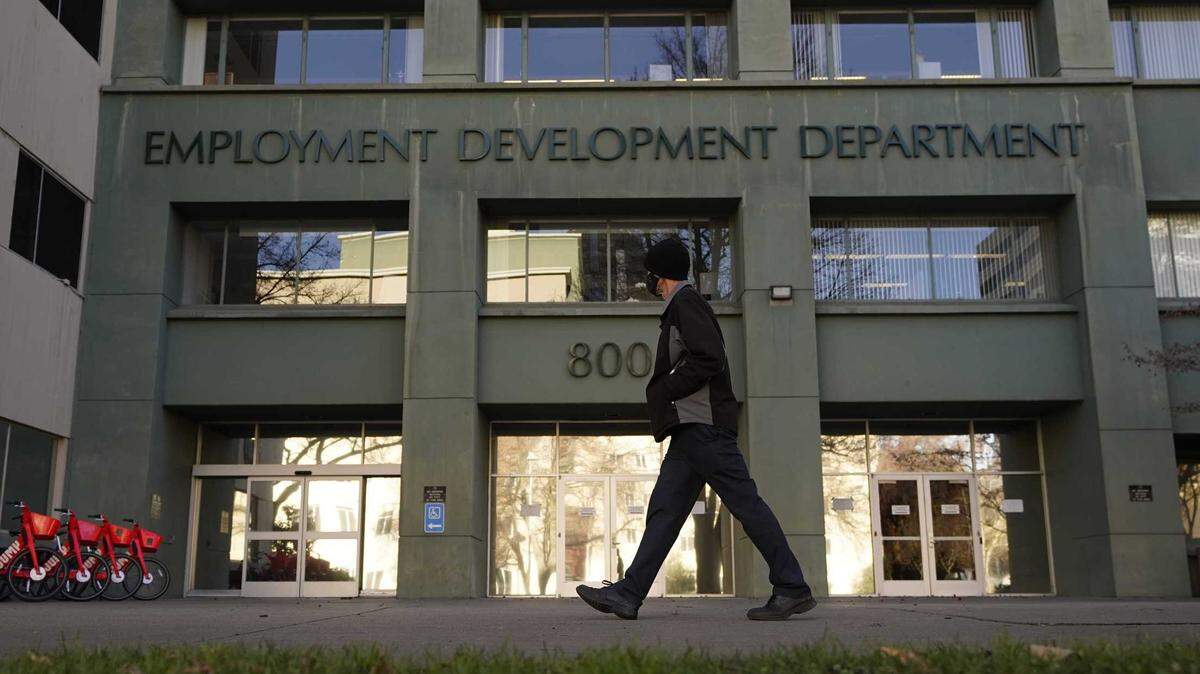
California’s unemployment agency call center staff was unable to answer thousands of calls to its embattled call center in April, as many claimants remain confused about a lengthening list of program details and requirements.
“It appears any progress that was made at the call centers last fall has eroded. We’re back to square one, which is not acceptable. A year into the pandemic, we shouldn’t be struggling to get people their benefits,” said Assemblyman David Chiu, D-San Francisco, who has been active on the issue.
The office of Assemblyman Jim Patterson, R-Fresno, estimated 99% of the complaints they get involve people unable to easily reach the call center.
Chiu’s office reported that they’re hearing many of the same sort of complaints they’ve been hearing all year, that people can’t get through and when they do, they get little help.
During the week ending April 17, the call center got 3.36 million calls, according to data from the Employment Development Department, which manages the unemployment program. There were 387,328 “unique callers,” meaning many people tried multiple times.
The staff answered 302,257 of the calls, or 8.9% of all calls.
Loree Levy, EDD spokeswoman, noted that most of the unique callers are getting answered eventually—it’s just that they have to call repeatedly to get through. EDD did answer 78% of the unique callers’ calls.
The number of callers has been going up. During the week ending April 10, the center got 3.1 million calls, 371,926 of them unique, and answered 290,135. That was 9.3% of all calls.
A month ago, in the week ending March 20, the center got 2.4 million calls, and 310,943 were unique. The staff answered 257,643, or 10.5%.
“The sheer number of call attempts still challenges the call center,” Levy said
She said part of the demand “arises because of the extended federal benefits and end of benefit year impacts on customers.”
People are frustrated by the sheer complexity of the system. Claimants are urged to consult a flow chart to determine what program they can use. but also to monitor the federal unemployment benefits page for updates and watch for messages from EDD specific to their claim status.
“Embarrassing technology failures at the EDD make it impossible for many people to prove their identity or certify for benefits. Many people actually need someone at EDD to manually fix the problems,” Patterson said.
“Most of the calls into my office are from people who have called EDD hundreds of times, waiting on hold for hours,” he said. Patterson said he’s heard EDD say there are still many people who have not certified for benefits or proven their identity.
“The fact is there are an incredible number of people who can’t complete these simple tasks and EDD’s technology is to blame,” he said.
EDD is currently providing claims from four major programs. Three are federal benefit programs created over the past 13 months to help people out of work because of the pandemic.
Last month, Congress added $300 a week to the popular Pandemic Unemployment Assistance benefit, which helps people such as small business owners and independent contractors who don’t usually qualify for traditional unemployment insurance,
Adding to the EDD workload is that the end of the benefit year has arrived for many people, meaning they need to reapply for benefits.
Levy noted that the demand “appears primarily driven by existing claimants.”
She said some of the call center pressure has been eased as more people are using online self-service tools. New information recently posted to help people with the benefit year end had more than 2.5 million page views in a week and. The agency’s Ask Eddy videos are drawing 70,000 viewers each.
But lawmakers continue to hear a barrage of complaints from constituents.
The latest frustration is another chapter in a saga that began 13 months ago, when the COVID pandemic sent unemployment claims to unprecedented levels. A year ago, Gov. Gavin Newsom ordered hours expanded and a new line set up.
“I am deeply aware that many of you tried to access that system online, in person and struggled to get in,” he said at an April 2020 news conference.
The problems persisted, and in January, state auditor Elaine Howle found the system was “ill prepared to assist Californians effectively.”
Levy said EDD continues to work to improve the center.
“Our strategy for managing this also involves increasing permanent state staff with high-quality training necessary to help people with more complex cases,” she said.
“We continue to recruit, hire and train hundreds of new employees. We streamlined our training process and continue to roll out new tools to help staff work more quickly. We understand how important it is to get people the help they need.”
This story was originally published April 26, 2021 at 10:46 AM.
.jpg)