
Here’s why aftershocks could last for days after magnitude-6 earthquake in California
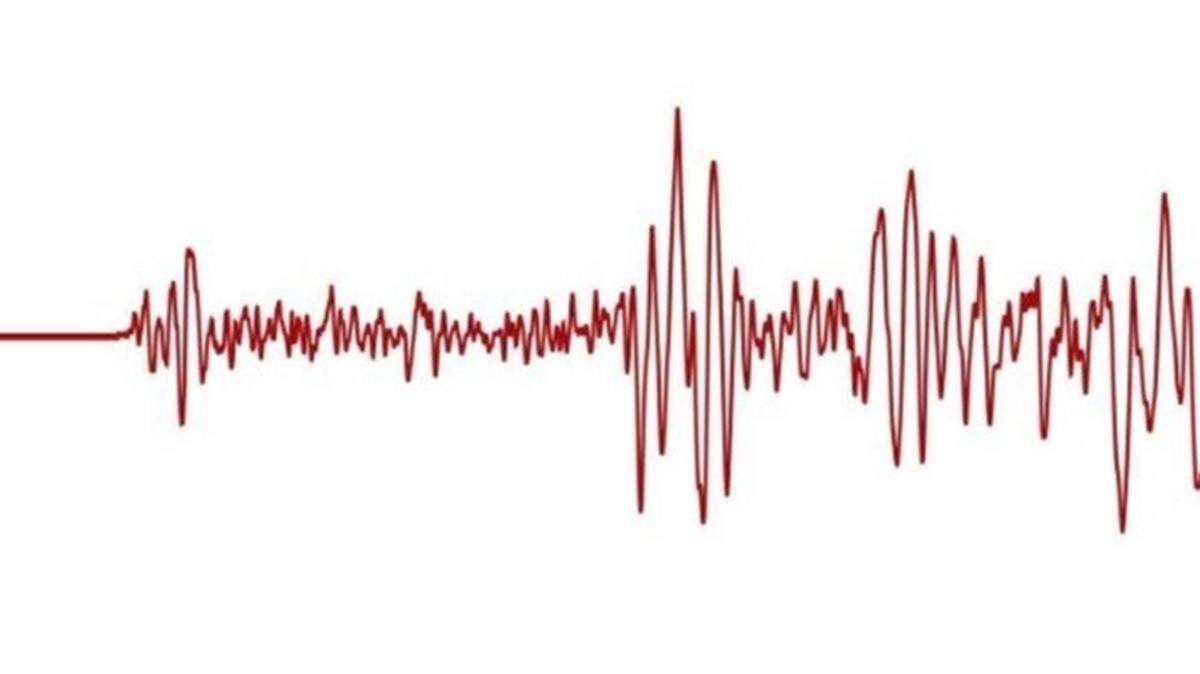
After a magnitude-6 earthquake struck the Little Antelope Valley on Thursday afternoon, jolting people in the Sierra Nevada foothills, experts now warn aftershocks could occur for days.
The shaker struck at 3:49 p.m. and was a magnitude 6.0, the Sacramento Bee reported. It was centered about 4 miles from Coleville in Mono County, which is about 150 miles east of Sacramento.
Thursday’s earthquake was the largest in the region since a 6.1 temblor in 1994, the Bee reported.
Aftershocks are earthquakes that typically follow a mainshock, which is the Antelope Valley earthquake in this case, according to Earthquake Country Alliance. If the stress on the fault of the mainshock created a big enough change, aftershocks can occur at surrounding faults.
A relatively large earthquake, such as the magnitude 6.0, will most likely cause “several felt aftershocks within the first hour” followed by half the number of aftershocks in the first day, according to the Earthquake County Alliance. Ten days after the mainshock, there is usually a tenth of the amount of aftershocks.
“An earthquake will be called an aftershock as long as the rate of earthquakes is higher than it was before the mainshock,” Earthquake Country Alliance experts said. “For big earthquakes, this might go on for decades.”
Jason Ballman with the Southern California Earthquake Center at the University of Southern California said that aftershocks should be expected “for days following an earthquake of this size,” according to the Associated Press.
As of Friday afternoon, more than 100 aftershocks have been reported near the epicenter of the mainshock, according to the U.S. Geological Survey.
“Aftershocks decrease both in magnitude and frequency quickly, but can continue for many years — just longer in between, and fewer large earthquakes,” Mark Benthien of the Southern California Earthquake Center told McClatchy News.
“With few people and buildings in the area, damage and injuries was much less than if the earthquake had been in a more populated area,” Benthien said. “A good example of such a M6.0 in a more populated area is the 2014 South Napa earthquake, which caused damage to and within older buildings, and one death.”
Seismologist Lucy Jones wrote on Twitter that aftershocks are expected after a large quake and there is a 5% to 10% chance that an aftershock could be larger than the 6.0-magnitude quake but a 90% chance none will be bigger than the original.
“As is common in this region, there are a lot of aftershocks — 10 above M3 in the first hour,” she tweeted.