
Boating, swimming in California lakes and rivers could be riskier this summer. Here’s why
At sea level, water is around 800 times denser than the air we breathe when the air and water temperatures are 59 degrees Fahrenheit.
Consequently, water can remove body heat 25 to 30 times faster than air does at the same temperature.
Not only can cold water quickly drain your body’s warmth and cause hypothermia, it can also exert hundreds of times more force than the wind can at any given speed — as anyone who’s tried to swim across a river or against a rip current will tell you.
Please don’t become a statistic. Tragically, many people drown each year in California’s lakes and rivers and along the state’s coastline.
This year has the potential to be especially hazardous, and here’s why.
Even though since January 2020, a La Niña or neutral condition — the infamous “El Nothing” or “El Nada” — has been dwelling in Niño 3.4, a region of sea-surface temperatures (SST) in the central equatorial area of the Pacific Ocean and has not produced as much rain as hoped for along the Central Coast. The warm spring-time temperatures have produced a significant snow melt.
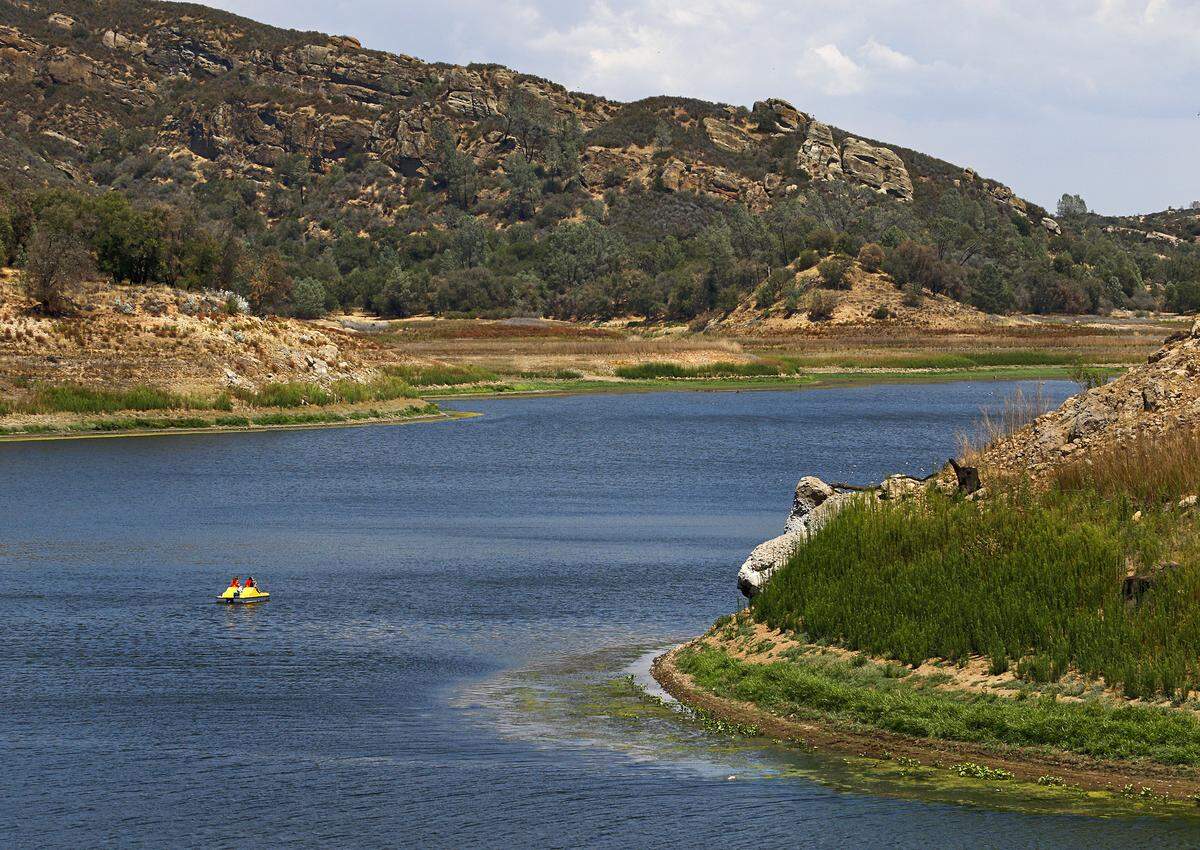
Consequently, river flows from the Sierra Nevada are cold and swift as thousands of people flock to the lakes, rivers and coastline for the Memorial Day holiday weekend.
This fast and icy water can create treacherous conditions for all recreationists — waders, swimmers, paddlers, boaters, anglers and hikers cooling off at the water’s edge.
Due to the greater snowmelt, many unseen obstacles can be lurking below the water’s surface, and swift water can make these obstacles even more treacherous.
Sudden immersion in these cold waters can stimulate the “gasp reflex,” which causes an involuntary inhalation of air or water.
It can even trigger cardiac arrest, temporary paralysis, hypothermia and drowning.
When faced with swift water, even the strongest swimmers may be easily overwhelmed.
Also, frigid water entering the ear canal can cause vertigo and disorientation that can cause swimmers to move away from the shoreline toward deeper water.
Please remember, recreating in PG&E canals and flumes is strictly prohibited. Stay out of these water conveyances, which are very dangerous because of slippery sides and fast-moving water.
PG&E and California State Parks’ Division of Boating and Waterways are warning visitors to be aware of colder and higher river and stream flows, and to take precautions when in or near water.
We ask people enjoying the outdoors to be careful near mountain streams, rivers and reservoirs. Water flows can fluctuate as snow melts faster on warmer days, so always be prepared for a change in conditions.
Water safety tips
The month of May traditionally marks the beginning of boating season in California. As we enjoy getting back out on and in the water, it is critical that we exercise extra caution and awareness, especially if venturing into unfamiliar waterways, or areas impacted by the drought.
Here are some water safety tips:
Actively supervise children in and around water. Give them your undivided attention. Appoint a designated “water watcher,” and take turns with other adults.
Teach children that swimming in open water is not the same as swimming in a pool. They need to be aware of uneven surfaces, river currents, ocean undertow and changing weather.
Know the law. Every child under 13 must wear a U.S. Coast Guard-approved life jacket when on a moving recreational vessel of any length.
Memorial Day
There are meaningful Memorial Day observances planned throughout the Central Coast on Monday, May 30.
One is the Lost at Sea Memorial at the Cayucos Pier. We gather at the base of the pier at 3 p.m. for a brief service and walk together out over the Pacific and remember those who never returned.
This story was originally published May 24, 2022 at 5:05 AM with the headline "Boating, swimming in California lakes and rivers could be riskier this summer. Here’s why."