White House to give California $631 million to bolster infrastructure against climate change
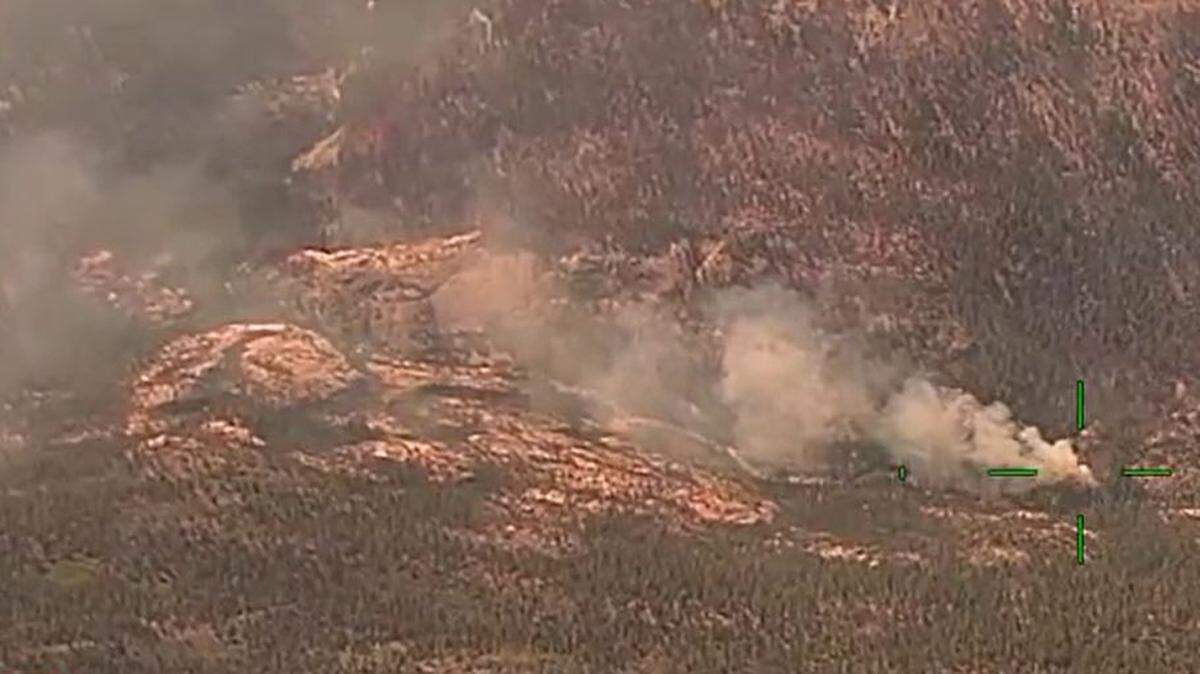
Can California’s roads handle police and firefighters headed one way towards a wildfire while people evacuate in the other direction?
The Biden administration is convinced the state’s highways, pedestrian walkways, bike paths and other infrastructure need help.
As a result, Transportation Secretary Pete Buttigieg is unveiling a federally-funded program Friday to help California’s infrastructure better withstand natural disasters and extreme weather. The initiative could bring the state as much as $631 million.
The money is part of a $7.3 billion effort that makes all 50 states and the District of Columbia eligible for funds.
Buttigieg says climate change “is impacting roads, bridges, and rail lines that Americans rely on, endangering homes, lives and livelihoods in the process.”
The announcement, which Buttigieg is scheduled to make Friday in Salt Lake City, comes as Congress is poised to take another big step in tackling climate change.
Senate Majority Leader Chuck Schumer, D-New York, and Sen. Joe Manchin, D-W.Va., announced Thursday an agreement that would commit about $369 billion to climate and energy programs. The legislation, which the Senate is expected to consider next week, aims to reduce U.S. carbon emissions by 40% by the end of the decade.
It would provide more than $20 billion to support “climate-smart agriculture practices,” and includes money to help make forests more fire resilient while promoting conservation and urban tree planting.
Forest conservation efforts are front-of-mind for Californians concerned about wildfires, as demonstrated earlier this month by the nearly 5,000-acre Washburn Fire.
Experts credited recent forest-thinning for helping save the Mariposa Grove, an idyllic group of giant sequoias at Yosemite including some that are at least 2,000 years old, in the early days of the blaze.
Tackling climate change
The program Buttigieg is expected to detail Friday is part of the $1 trillion infrastructure bill that passed Congress with Republican support in November. The disaster-related program is called the Promoting Resilient Operations for Transformative, Efficient, and Cost-Saving Transportation, or PROTECT Formula Program.
The package also includes $2.6 billion in grants to “conserve and restore coastal habitats and protect communities that depend on those habitats.”
The funds will be available for five years. Washington is looking for projects to focus on improving highway, transit, bicycle, port and pedestrian facilities so people can more easily evacuate or at least cope with a disaster.
Project applicants will be asked to show they’re preparing to ease the impact of disasterous events on at-risk highways and transportation and evacuation routes, also known as “resiliance planning.”
California’s wildfire disasters, among the most visible manifestations of the climate crisis, have killed scores of residents, destroyed thousands of homes and toxified the air for millions. They have also done billions of dollars in property damage — including to transportation infrastructure — since 2017, according to conservative estimates.
The state’s whiplash between climate extremes — historic wildfire seasons amid severe drought, followed closely by bouts of record-setting precipitation — have also led to other dangerous phenomena.
A nearly 50-mile stretch of Highway 70 in the Sierra Nevada foothills, for instance, has been shut down multiple times in the past year after heavy rains on the Dixie Fire burn scar produced dangerous mudslides and debris flows.
Fighting California wildfires
The federal funds can be used to improve existing infrastructure or boost its ability to keep an entire community safe by paying for projects to help withstand extreme weather, or what the transportation department calls “other physical hazards that are becoming more common and intense,” such as wildfires.
Potential projects could include using natural or green infrastructure to buffer future storm surges and provide flood protection or aquatic ecosystem restoration.
The money could be used for the sort of projects planned by the city of Santa Rosa, which has been hit hard by wildfires in recent years. One involves expanding and hardening fire evacuation routes.
“You have police and first responders going one direction and people evacuating the other,” said Mayor Chris Rogers, and the existing roads often can’t handle that capacity.
The city has passed and is implementing a five year vegetation management plan designed to help ease the impact of wildfires in high-risk areas.
Santa Rosa had to fight for funds to rebuild a fire station destroyed by wildfires. Using federal money had been difficult; this new program will “make it easier for communities that experience future disasters to invest in needed infrastructure,”” Rogers said.
.jpg)