
California’s local governments could soon be more able to remove disruptive meeting attendees
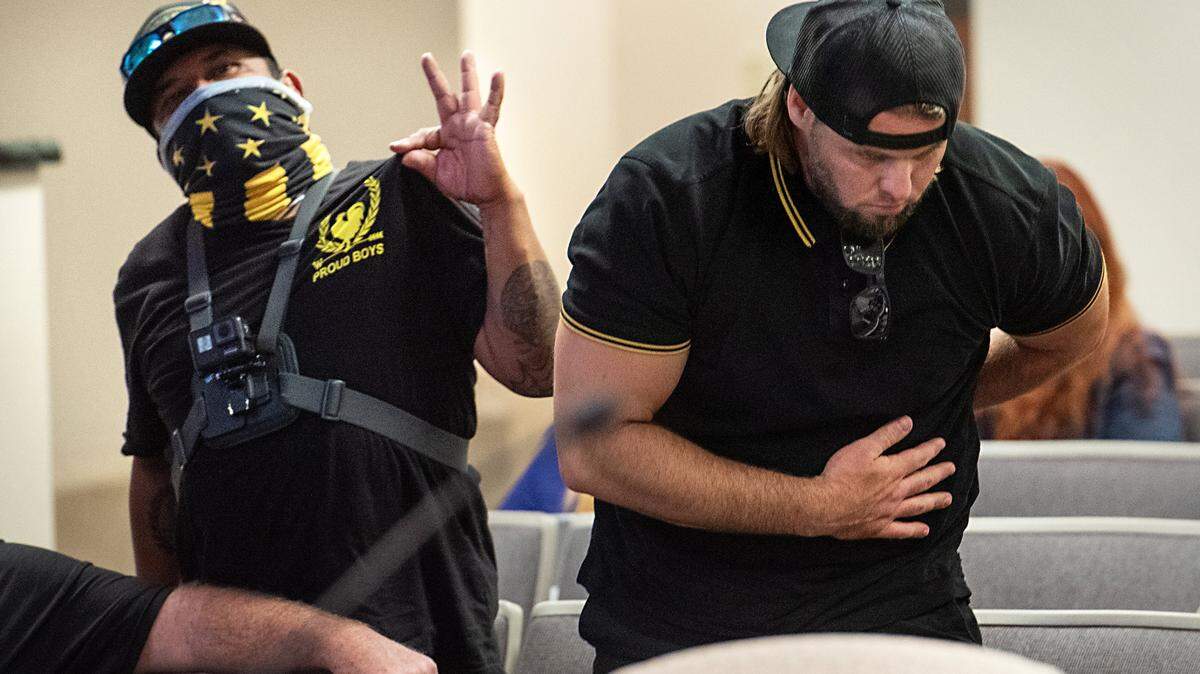
When Californians attend local government meetings for the sake of disruption, lawmakers often don’t know what to do. That could change soon, under a bill passed by the Legislature Monday.
SB-1100 makes changes to the 1950s Brown Act, which requires elected officials to be transparent with the public and keep meetings open.
But the Brown Act is unclear about when it’s permissible to remove disruptive meeting attendees. It allows for ejection in the case of “willful disruption,” but localities are often confused about what that phrase means.
The bill clarifies that while the Brown Act protects all forms of speech, it does not protect actions that prevent a meeting from continuing. In other words, the law does not moderate content, but does regulate disruption.
SB-1100 is a response of disruptions and dangerous incidents in 2020. A Rocklin school board hearing led to a scuffle as extremists protested COVID-19 mandates; In El Dorado County, speakers spent local meetings espousing conspiracy theories. The former Mayor of Los Gatos Marico Sayoc faced locals screaming hateful messages to her in council meetings and even a woman who protested outside of her home.
If SB-1100 is signed by Gov. Gavin Newsom, it will give local governments a “toolkit” for dealing with these situations. Namely, it will provide definitions for phrases like “willful disruption” to more firmly establish when meeting attendees are crossing the line.
“We’re elated,” said state Sen. Dave Cortese, D-San Jose, the bill’s author, outside the Capitol after the vote. “This is not an area of the law that I would expect to see a lot of tinkering with in the future, because it’s First Amendment stuff. There’s fundamental rights involved. There’s just not a lot of places to go, but I think where you could go to tighten things up... I think we went there.”
Passing SB-1100 was an uphill battle for Cortese and his allies; a host of individuals and organizations expressed concerns that the bill would violate the First Amendment by hindering Californians’ right to provide their perspectives.
But Cortese considers himself a “First Amendment purist.”
“Ironically, I think we made the point in committee hearings well that the bill actually clarifies, in a good way, that you can’t just shut people down without a warning,” the Senator said. “There’s a specific procedure and clear lines of authority now for essentially calling someone out for disrupting a meeting.”
Often, Cortese said, members of local government are not attorneys. When dangerous situations transpire, they need to clarify what they’re allowed to do with local government counsel. But such a process, especially when even the counsel might not be completely clear on the situation, can take too long.
“Meanwhile, somebody’s not willing to relinquish a microphone,” Cortese said, “Or worse yet they’re trying to jump over a railing and get to the dais. I’ve seen all of this happen.”
According to Cortese, Newsom’s office has expressed “no major concerns” in conversations about the bill. “Hopefully it gets signed into law,” he said.
This story was originally published August 2, 2022 at 2:09 PM.