Flood risk part of life for thousands in Stanislaus County. ‘If it happens, it happens’
Petra Cerna’s home is going to flood.
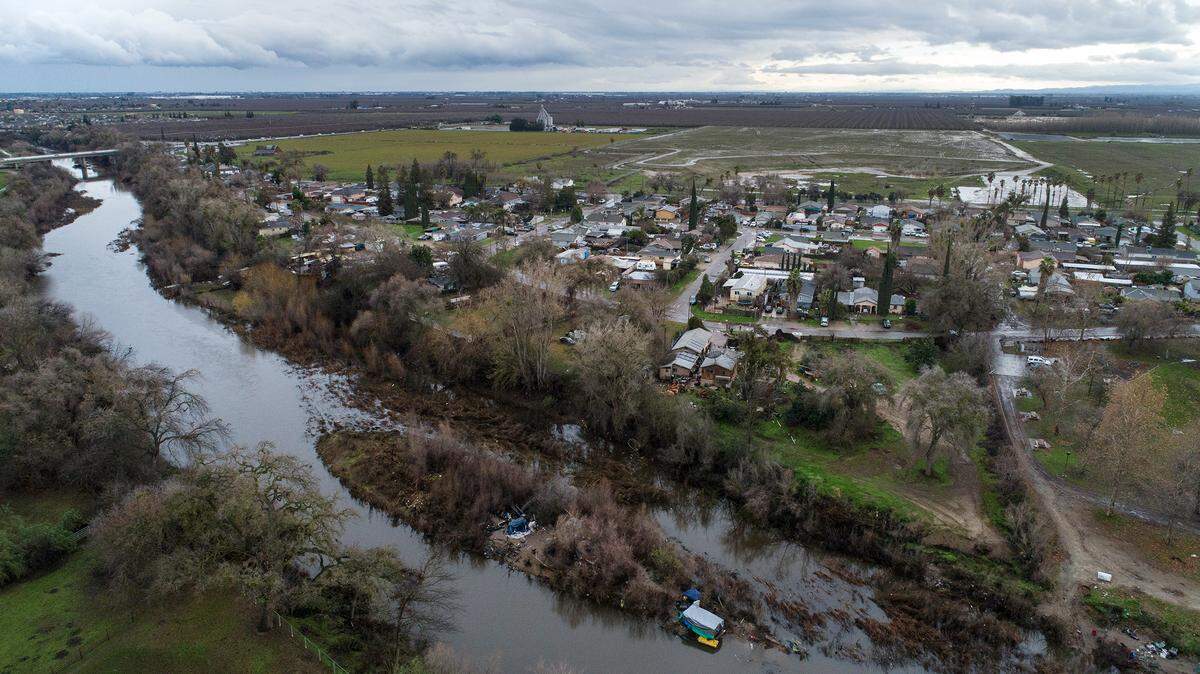
Her neighborhood in the unincorporated community of Riverdale Park, just southwest of Modesto, has emerged largely unscathed from the recent rainstorms, save for puddles that linger on the dirt roads. But one day in the coming years, her house will see up to a foot of water when the banks of the Tuolumne River overflow.
Residents near the San Joaquin River and Dry Creek live with the same risk. The question is not if but when the water will come.
In the course of a 30-year mortgage, for example, a home in a high-risk area like Riverdale Park has a 26% chance of flooding, said Frank Mansell, public affairs specialist with the Federal Emergency Management Agency.
Moderate-risk areas, which include swaths of predominately Latino neighborhoods like west and south Modesto, have a 5.8% chance of flooding in the same period, according to FEMA’s flood risk maps. The longer people live there, the higher the risk they will experience a flood.
About 30,000 Stanislaus County residents, or 5.4% of the county’s population, live in areas deemed by FEMA as moderate risk of flooding, according to a Bee review of census data. An additional 10,000 live in high-risk areas.
Current data from the Tuolumne and San Joaquin rivers and Dry Creek show that water levels remain well below the range where widespread flooding would occur along the FEMA-designated hazard zones. But as the city rock wells slowly fill and the level of the Don Pedro Reservoir climbs higher with each winter storm, the memory of historic floods and the prospect of future disasters are near.
Preparing for a devastating flood
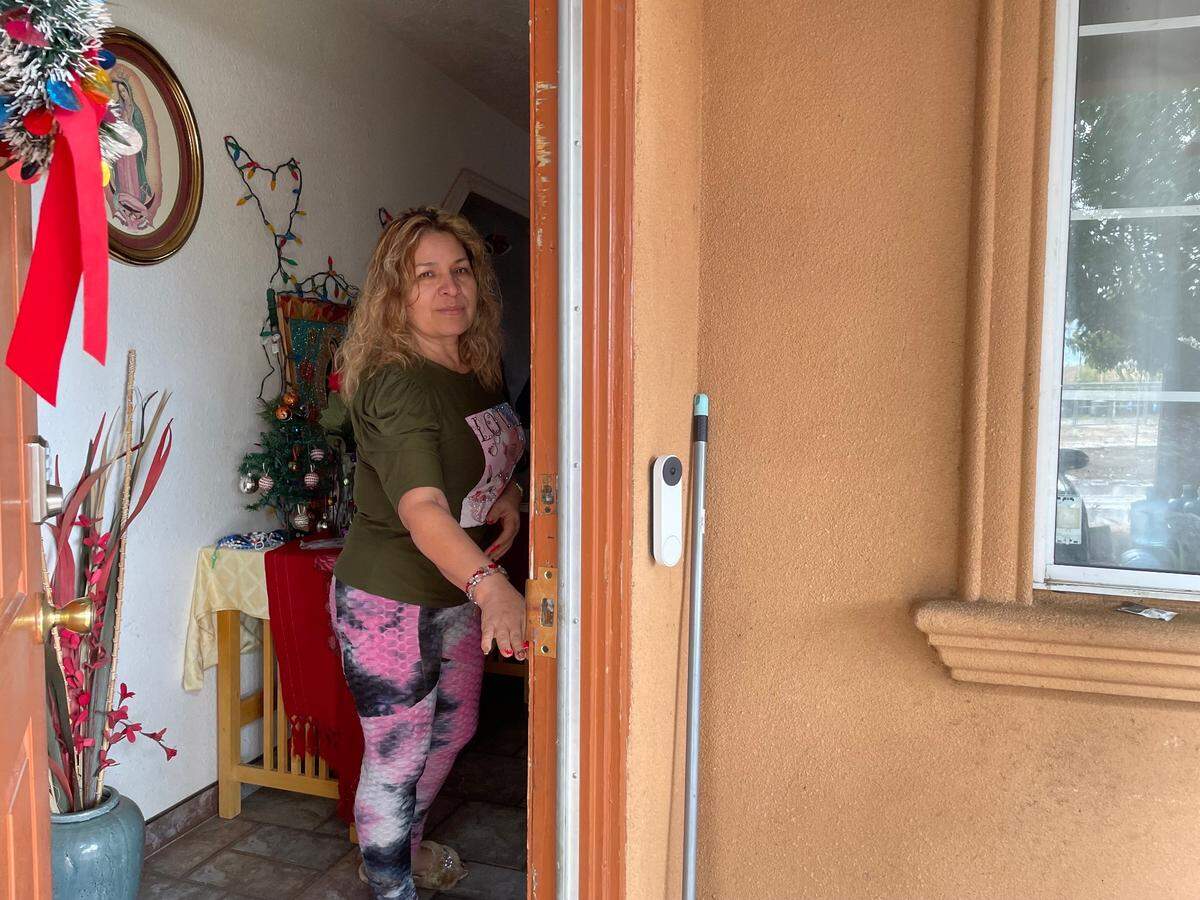
Standing at the entrance to her home, Cerna recalled when her family had to evacuate after the nearby park and junkyard flooded in January 2017. The water just missed her home.
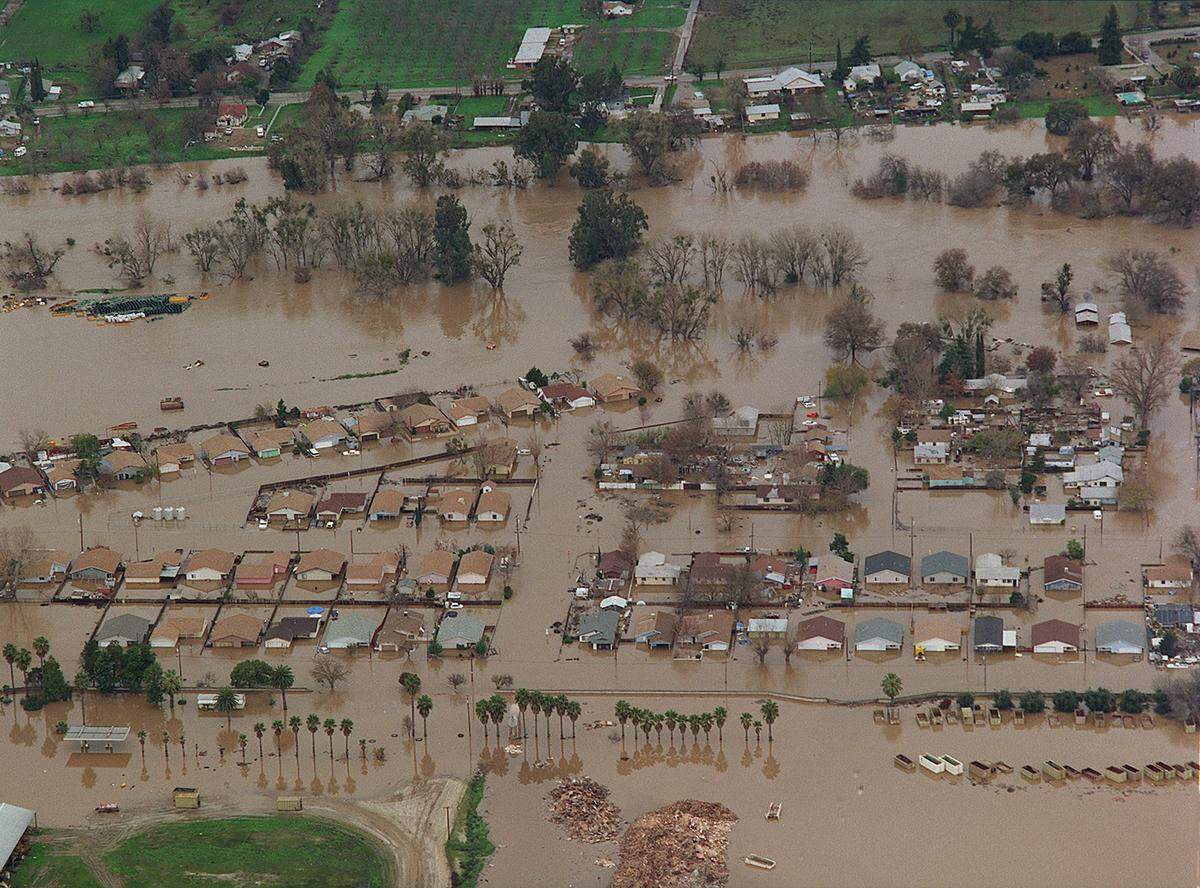
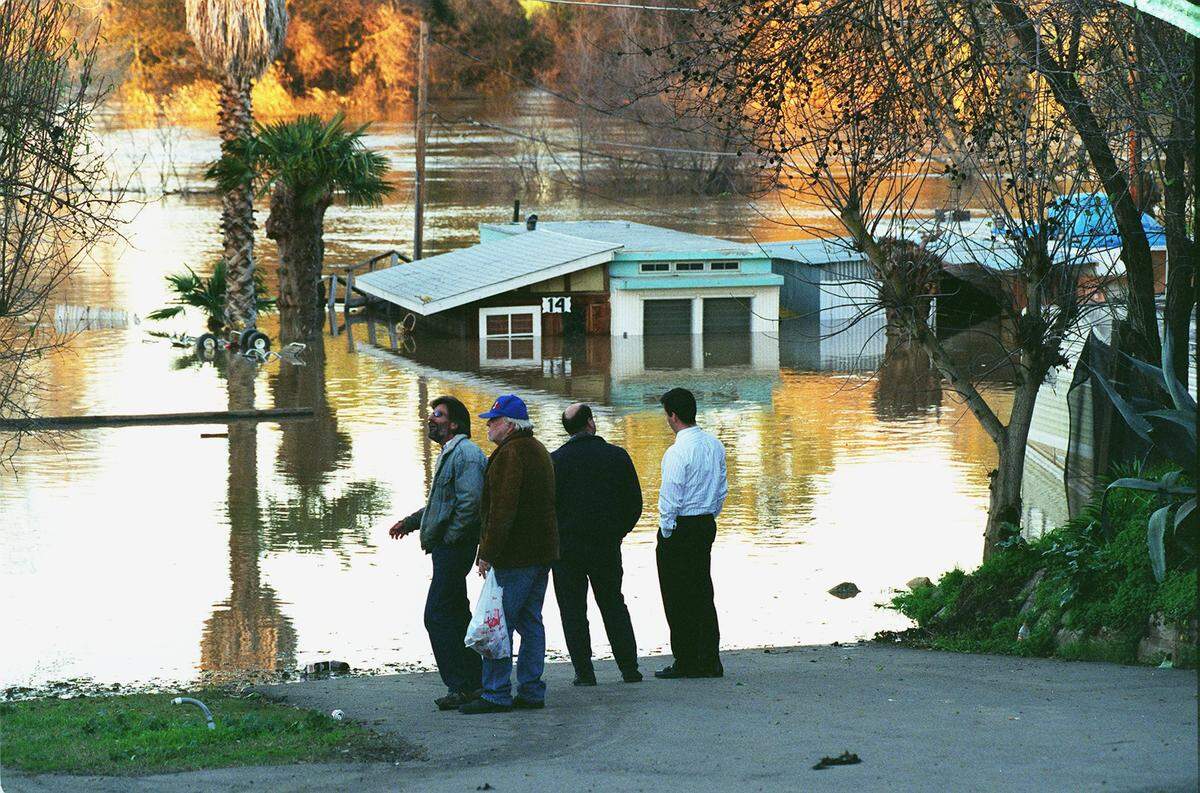
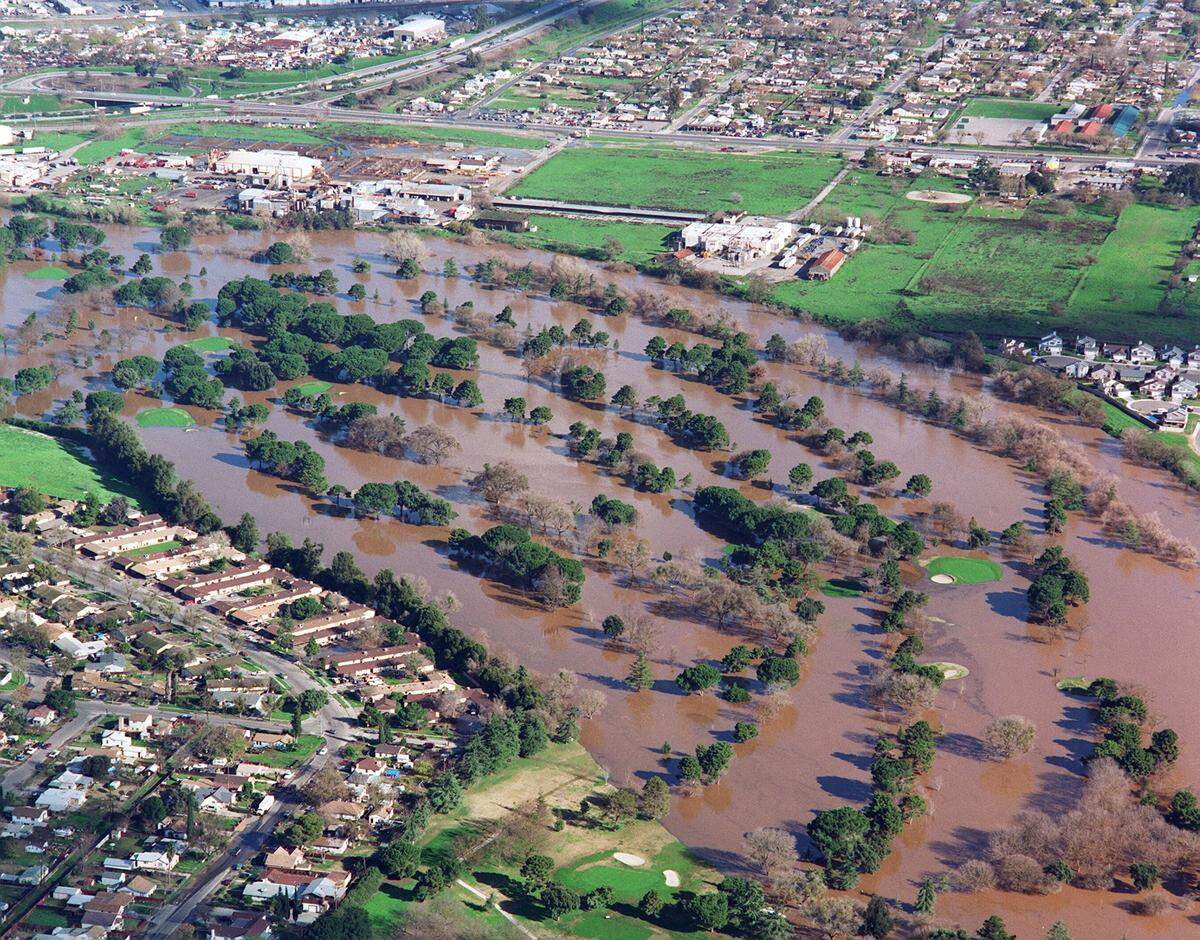
That flood pales in comparison to the events of January 1997, when a series of storms pushed Don Pedro Reservoir beyond its capacity. The water reached the doorknob of Cerna’s house, submerging nearby cars and leaving the neighborhood in brown water. Three water treatment facilities flooded, pushing raw sewage into the Tuolumne River and, eventually, into homes.
The storm caused the county to evacuate 3,000 people in greater Modesto. It tallied more than $85 million in damages and put 25,000 acres of agricultural land underwater, according to Bee coverage of the disaster.
It’s that kind of flood that FEMA says is rare but will nonetheless happen again, and soon.
By federal law, banks are required to offer loans to prospective homeowners in these high-risk areas only when the buyers can prove they have flood insurance.
Jose Ramos, who lives with his wife and four children near the Tuolumne River in south Modesto, pays $1,800 a year for flood insurance. It gives him a sense of security for when the next natural disaster hits.
But his neighbor Amelia Smith is exempt from FEMA’s rules because she doesn’t own the house in which she lives. “If it happens, it happens,” she said. She moved into the house because a family member already lived there, and she enjoys the views of the river and the surrounding scenery, even if she’s upset at the ways the housing development has marred some of the beauty.
Smith doesn’t have a plan in the event of a major flood. Most renter insurance policies don’t include floods, said Mansell, though some policies have it as an add-on.
Other neighbors have put their homes on stilts.
Cerna is exempt, too. She bought her home outright, bypassing the bank loans that would have required her to take out flood insurance. In fact, she learned about the 1997 flood and its impact on the neighborhood only after she finalized the purchase in 2009.
“When we had already finished the contract, and everything was closed out, that’s when he (the real estate agent) asked if she knew that this area had flooded before,” she said in Spanish. Now, she said she can’t find any flood insurance provider that will take her. If she wants to sell the house, Mansell said, she will need to find another buyer who can purchase the home without taking a loan or she will need to factor the cost of flood insurance into the selling price.
In June 2021, the public works department sent out more than 800 notices about FEMA’s flood maps in both English and Spanish to property owners in high-risk areas. Cerna said she never received the notice.
Renters like Smith rely on their landlords’ goodwill for information. There is no law requiring landlords to notify renters about known flood risk in Modesto, said city spokeswoman Diana Ruiz-Del Re.
A “Noah and the Ark” scenario
Even if every resident within FEMA’s designated flood risk zones received a proper notification, countless more people remain at risk of major flooding. Mansell said 40% of the claims FEMA pays in the US come from homes in the moderate risk area or in areas outside their risk map. “That just proves that Mother Nature doesn’t read flood maps,” he said.
Stanislaus County Public Works director David Leamon points to sections of downtown Patterson and Newman, which have flooded in past years but lie outside FEMA’s current maps. He also uses information from the Department of Water Resources (DWR), which provides its own map of flood advisory areas and considers issues that FEMA doesn’t, like the impact of seasonal streams from the nearby mountains.
New research from the journal Science found that the probability of a catastrophic storm, the “Noah and the Ark” scenario according to Leamon, has increased in recent years due to climate change. The authors cite storms in 1861 and 1862 that transformed “the interior Sacramento and San Joaquin valleys into a temporary but vast inland sea nearly 300 miles in length.”
There is limited research on such a disaster, known as a “megaflood,” and Leamon cautions against emphasizing these sensational and rare events over more likely scenarios, like the kind of flood that occurred in 1997. Still, he said the research surrounding climate change and megastorms may prove that the odds of flooding are in fact higher for the 40,000 residents currently facing moderate or severe flood risk.
Cerna isn’t worried yet. On Jan. 2, the muddy water in the Tuolumne was higher than any time in the past three years, but the level is still comparatively low. The volume of water in the river is less than a third of what it was in the winter of 2017 when Cerna and her family had to evacuate. In 1997, the Tuolumne river had 10 times more water than last week’s peak volume.
“Your home is your most expensive asset that you’ll ever own,” said Mansell. “You might as well protect it with flood insurance.” He had a word of warning for those who are just now considering their flood risk after this week’s rain: an insurance policy takes 30 days before it goes into effect.
This story was originally published January 6, 2023 at 9:50 AM with the headline "Flood risk part of life for thousands in Stanislaus County. ‘If it happens, it happens’."