A third of Stanislaus County speaks Spanish, but that’s not reflected in library materials
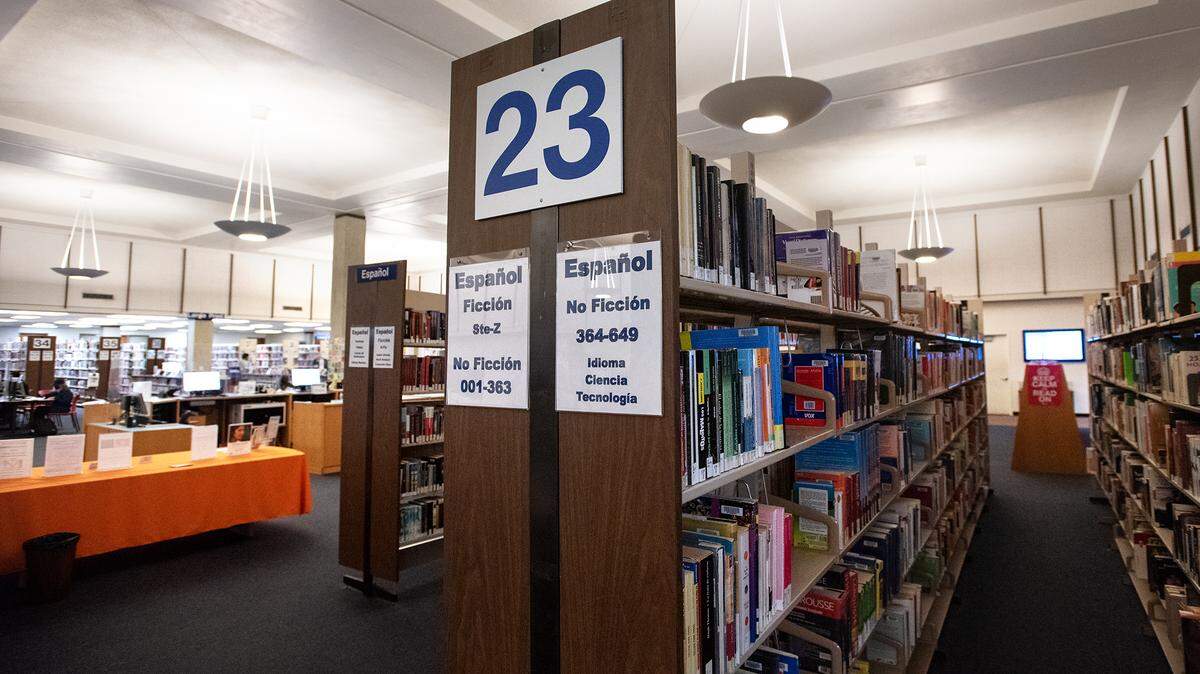
More than 36% of Stanislaus County residents over the age of 5 speak Spanish, according to data from the American Communities Survey and the US Census. But at the county’s public library, Spanish-language resources are hard to find, leaving people like Angelica Sanchez in a lurch.
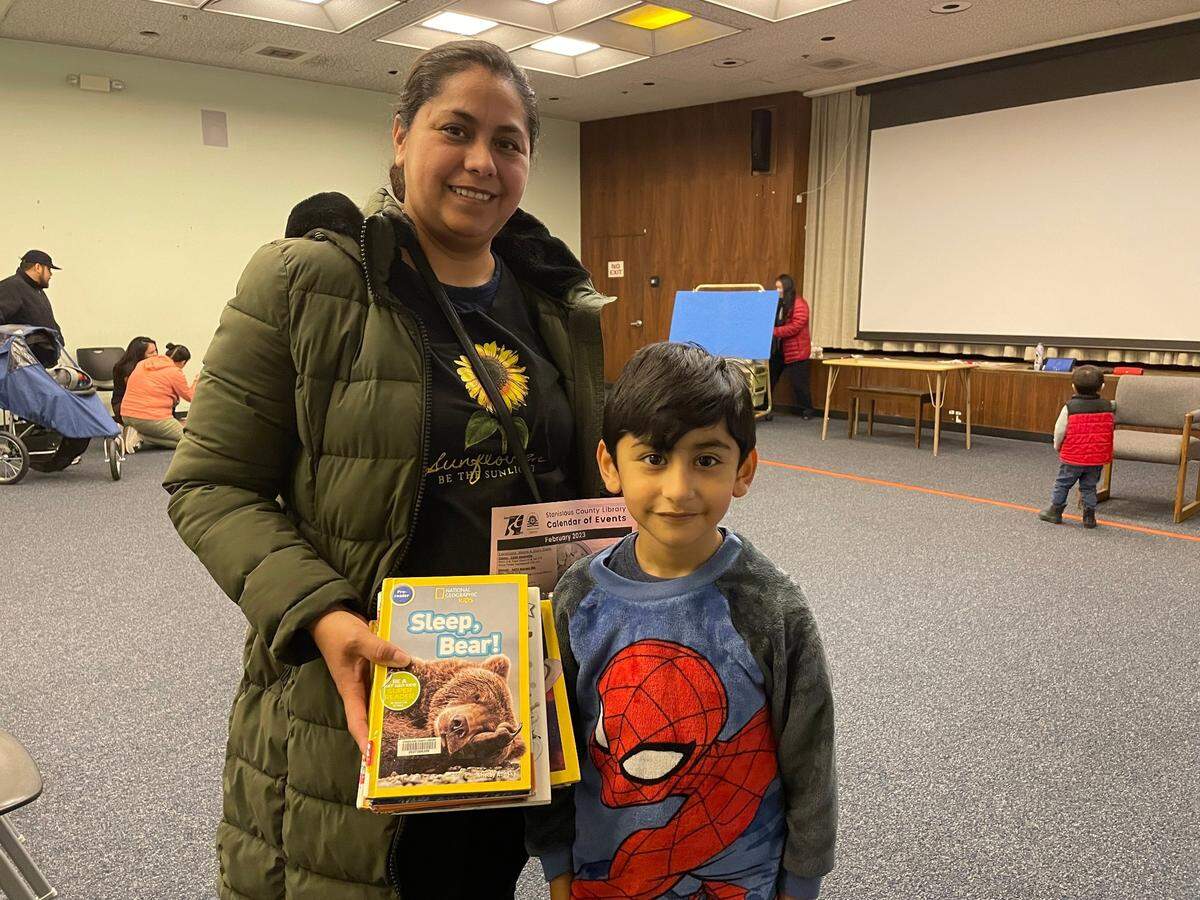
“All the books are in English,” she said in Spanish while her 6-year-old son, Asher, fidgeted, ready to leave story time. “I try to read to him in English, but he says he doesn’t understand it because of my accent.”
The Spanish-language children’s books she has found are not appropriate for his age. In general, there aren’t many: Under 5% of county books and physical materials are available in Spanish.
“There is limited availability of books published in Spanish, which is a big factor in the quantity of Spanish-language materials we are able to provide,” said Susan Lily, communications, marketing and fund development manager with the library, in an email to The Bee. Books then need to be vetted, which can add further restrictions on the number of Spanish-language resources available, she said.
The library, however, offers much more than books. Just under 7% of its audiobooks, e-books, movies and other digital materials are in Spanish. The Modesto main library and the Riverbank branch both offer bilingual story time for children twice a month. None of the other 12 library branches have any Spanish-language programming scheduled for the rest of the year, including cities and towns like Newman where over 75% of residents report that they do not speak English “very well.”
“The majority of people feel that once you’re here, you should be speaking English all the time,” said Rebecca Harrington, a longtime community advocate for Latino residents and a member of the South Modesto Municipal Advisory Committee.
According to federal and state law, denying people a service because they do not speak English well can amount to illegal discrimination, and various policies are in place across Stanislaus County to ensure that non-English speakers have equitable access to public services, often through the “5% rule.” The rule, which comes from the state’s Bilingual Service Act, requires government agencies to provide resources for any population that cannot communicate in English and that represents 5% or more of the population.
In addition to Spanish speakers, who comprise more than 5% of the population, Assyrian Neo Aramaic is designated as a linguistic minority in Stanislaus County, which means agencies like the Health Services Agency are required to translate in that language, too, said Kamlesh Kaur, a county spokeswoman.
She added that the county health centers also offer interpretation in Punjabi, Khmer, Arabic, Hindi, Portuguese, Tagalog, Chaldean Neo-Aramaic, Chinese, Vietnamese, Farsi, Lao, Cantonese, Korean, Russian, Urdu, Hmong, German, Romanian, Mandarin, Japanese, Bengali, Filipino and Burmese because more than 100 people in the county speak each of those languages.
The library, for example, can translate its website into 18 languages besides English.
But reaching non-English speakers can be difficult, even with properly translated resources.
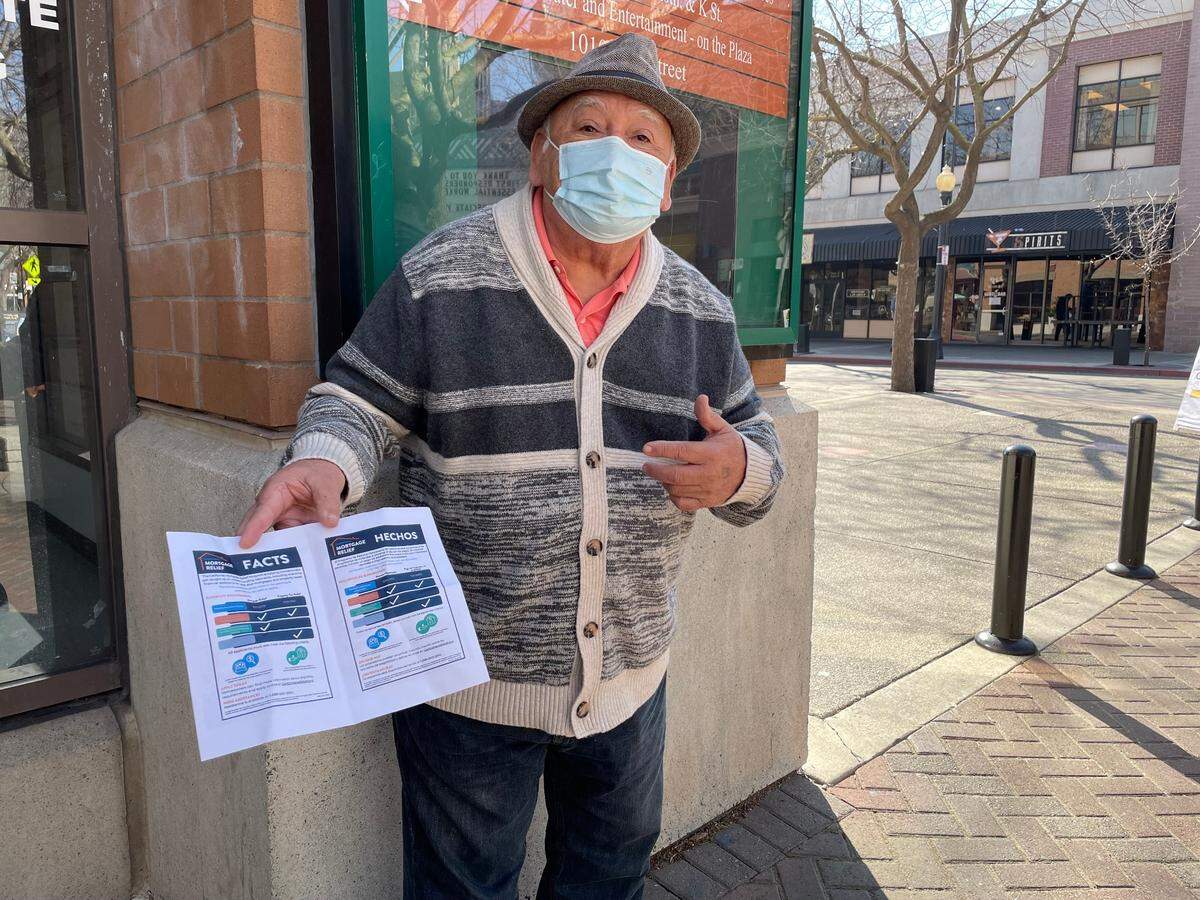
“It’s one thing to give me the flyer, it’s another thing to engage me,” said Miguel Donoso. Like Harrington, he has advocated for the Spanish-speaking community in Stanislaus county for decades and follows county politics closely.
He cites the Bilingual Services Act as a basis for his rights but wants to see public agencies go beyond it when it comes to including non-English speakers.
Sanchez, Asher’s mother, wasn’t aware until recently that Stanislaus County offers bilingual story time at the Modesto branch twice a month.
One Wednesday in January, Asher had a stomachache and she took him out of school. Biding their time before heading to a doctor appointment, they were browsing the stacks at the library when a staff member told them the event was happening in the basement.
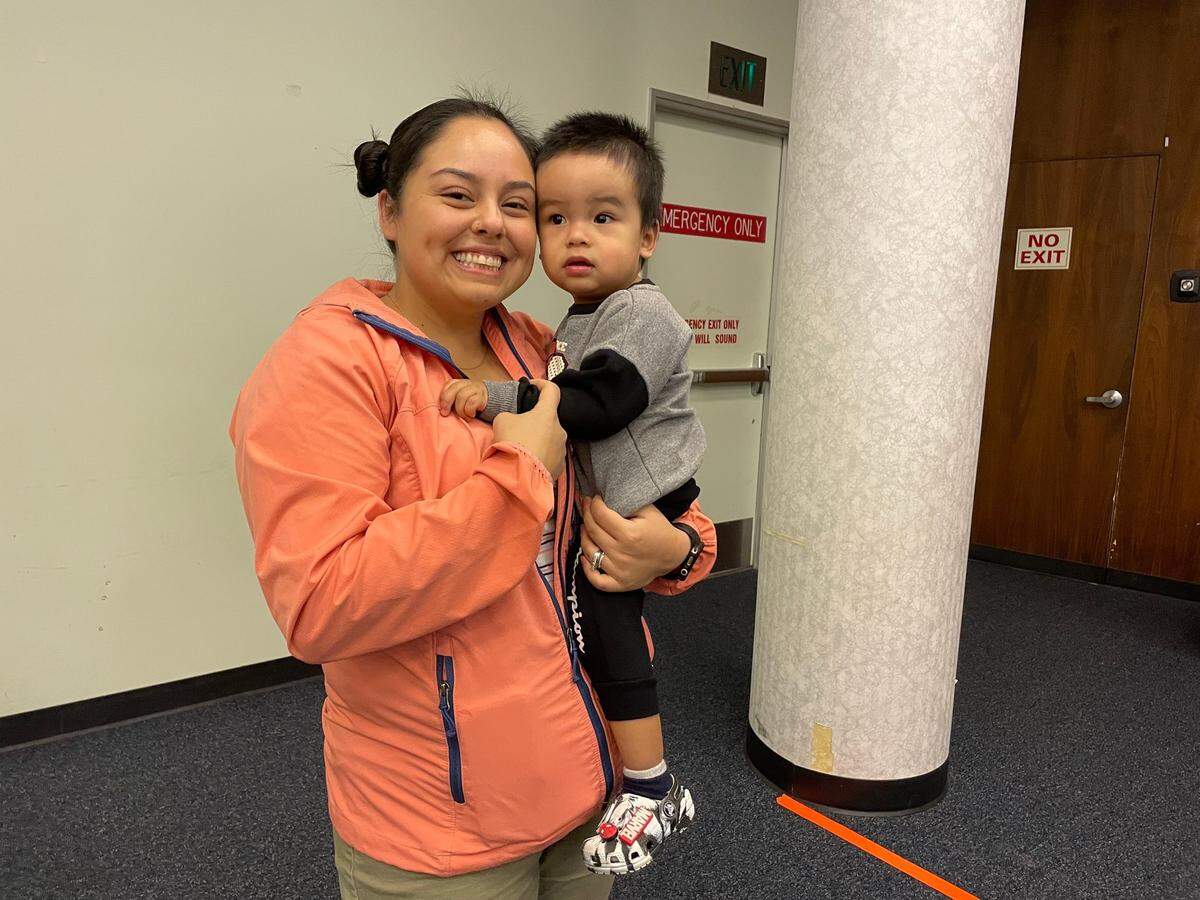
She arrived just on time, but she wasn’t alone. About 35 other mothers, fathers and toddlers streamed into the library’s basement, where librarian Angélica Ruíz-Maté stood in front of an easel with stacks of bilingual children’s books. As Ruíz-Maté read a book in Spanish about a little boy, Juanito, who loves to give besos (kisses) to everyone in his family, Asher turned to his mom and put his hands in the shape of a heart.
Sanchez said she would come back, especially if the library hosted the story times in the afternoon when school was over.
Across the room, Jordan and Mariana Fontanilla watched their 15-month-old, Miles, amble about. Their goal is for him to be trilingual, speaking English, Spanish and a language of the Philippines, Ilocano, which Jordan’s grandfather speaks.
“It’s kind of hard finding Spanish resources. The ones we’ve gotten, well, it’s kind of hard not to be repetitive,” Mariana Fontanilla said. She wishes the bilingual story time was every week.
They haven’t found any books in Ilocano.
Bilingual story time has been going on for about four years, and average attendance is about 20 people, Ruíz-Maté said.
During the COVID-19 pandemic, the library scaled back its bilingual story time events, but with residents like Sanchez and the Fontanillo family asking for more, the library is considering making the events weekly and offering some programs on Saturdays.
This story was originally published February 12, 2023 at 5:00 AM with the headline "A third of Stanislaus County speaks Spanish, but that’s not reflected in library materials."