Snorkeler from California didn’t realize shark bit her. Then she saw blood in the water
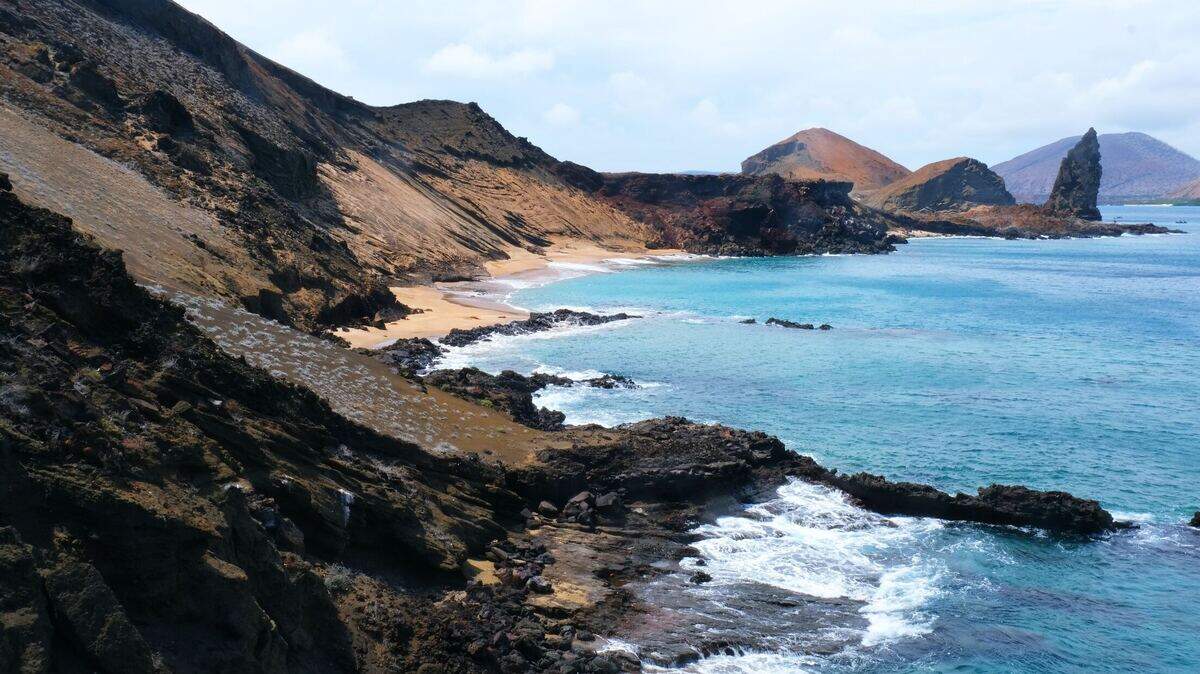
A nurse was bitten by a shark during a snorkeling trip in the Galapagos Islands — but didn’t realize it until she noticed her own blood in the water, reports say.
When she got to a local hospital on July 4, doctors told her it looked like a shark bite, SFGATE reported.
“I was swimming, and then I felt a little bit of a push. It wasn’t anything concerning; it was not strong,” Delia Yriarte told the outlet. “I kept pedaling, and then I felt my leg was a little numb. I started pedaling again, and then I felt like my leg wasn’t responding.”
When a pelican landed in the water, Yriarte turned to look at it and only then saw her blood behind her, she told the outlet.
“When I turned I noticed the blood, and I said ‘I have an injury but I have no idea what kind’,” she told NBC Bay Area.
Other snorkelers in her tour group helped Yriarte out of the water, the station reported.
Ecuadorian authorities took her to the nearest port in a small rescue boat, according to a video Mexico Ahora posted to Facebook on July 7.
At the hospital, a doctor told the 42-year-old woman she would need several surgeries — “five tendon repairs, over 100 sutures” in her leg, and likely skin grafts to replace some lost tissue, she told NBC Bay Area.
Doctors told her recovery could take several months and could include more surgeries and physical therapy treatments, according to an online fundraiser set up to support the “loving single mother” and her teenage daughter while she recovers.
“As a single mother, this loss of income adds an additional layer of stress and uncertainty to her already difficult situation,” the fundraiser says. Yriarte may also need assistive devices or modifications installed in her San Jose home when she returns in the next few days, according to the fundraiser.
It’s common around the Galapagos Islands to see several species of sharks, from hammerheads to tiger sharks, according to Mexico Ahora.
About shark attacks
Shark attacks are “extremely rare,” according to John Carlson of the National Oceanic and Atmospheric Administration.
“You have a better chance of getting in a car accident and being injured on your way to the beach than you do actually when you get to go swimming,” he said in a video posted to NOAA’s website.
In 2022, the Florida Museum of Natural History’s International Shark Attack File investigated 108 shark-human interactions worldwide. Of those interactions, 57 were unprovoked shark bites, and there were nine “shark-related fatalities.”
The Galapagos Islands, off the coast of Ecuador, have seen about 10 such attacks in the past 20 years, according to the organization.