New creature — with no eyes and nearly 500 legs — found lurking under California’s soil
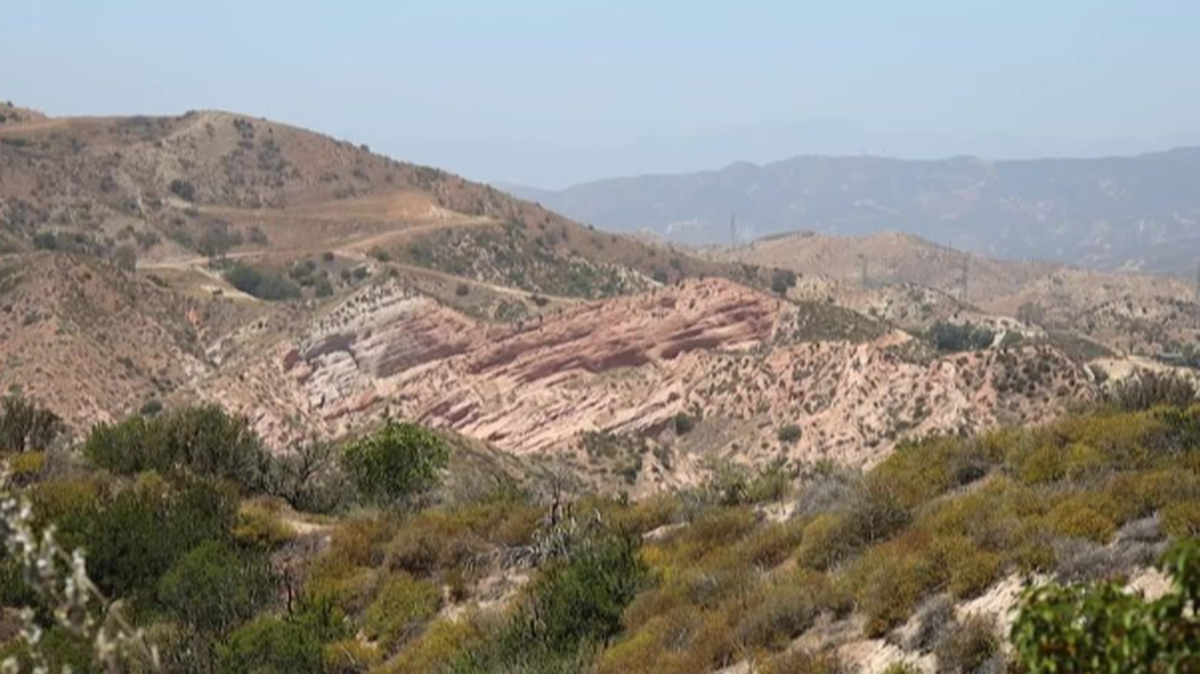
A new species, a creature with no eyes but nearly 500 legs, has been found lurking beneath Southern California’s soil, according to a government agency.
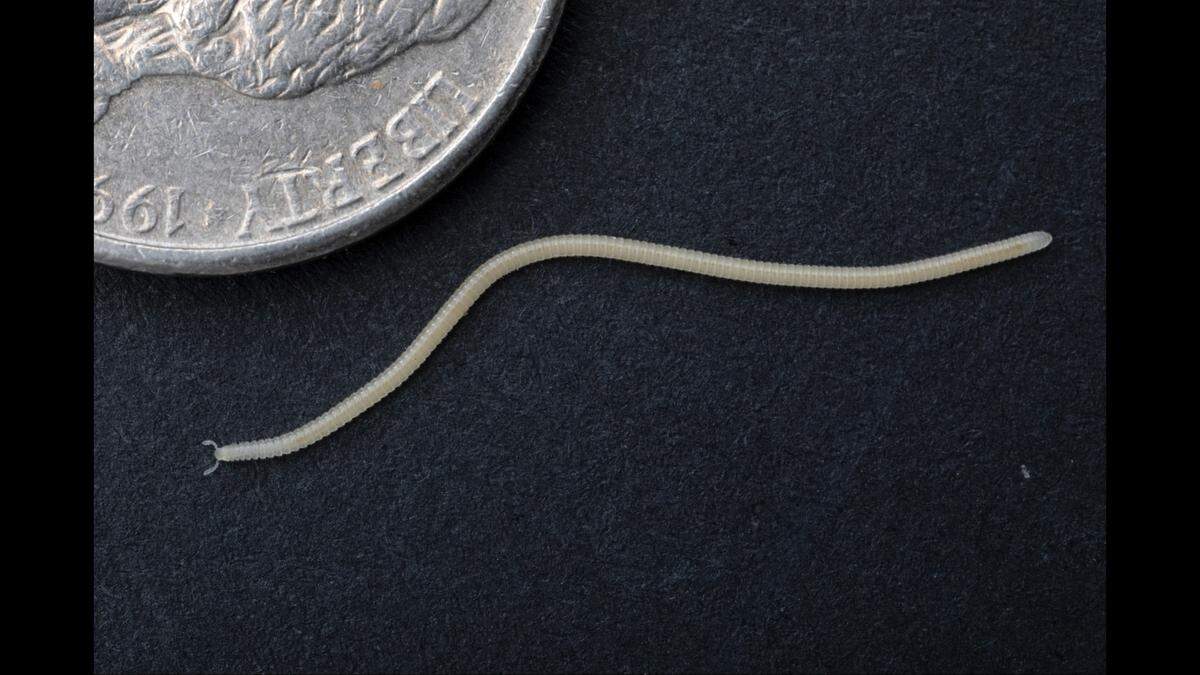
The tiny, pale millipede, named Illacme socal, has been found “thriving in the soil” under Orange and Los Angeles counties, the National Science Foundation said in a June 21 news release.
“The creature is adapted to life underground and likely never surfaces, so the more than 18 million people in the region likely don’t know what lurks beneath their feet,” the agency said.
Paul Marek, an associate professor of systematics at Virginia Tech, discovered the species at “Whiting Ranch Wilderness Park, a 2,500-acre area of rivers and woods in Orange County just south of Anaheim,” in April 2018, according to the agency and findings published in ZooKeys.
The agency said Marek also found another “possible specimen, a juvenile millipede,” in Eaton Canyon Natural Area just north of Pasadena.
The biggest differences between the creatures are the number of legs they boast, as well as how many rings they have, researchers said. The females tend to be larger than the males and “have more rings and legs.”
The largest millipede tracked had 125 rings and 486 legs, according to researchers, while the smallest had 51 rings and 190 legs.
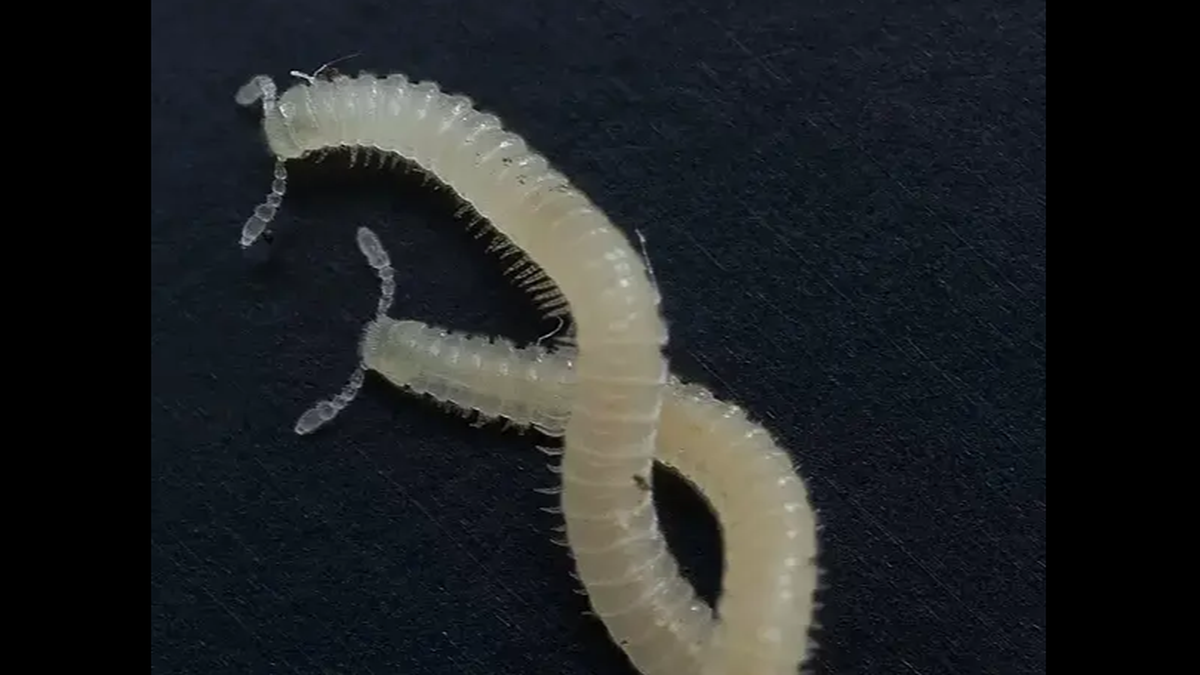
While its appearance may be a bit off-putting, even fitting of a “Hollywood horror movie,” the NSF said the tiny creature “serves a critical role in the area’s ecosystem.”
“Millipedes break down dying and decaying material from plants, fungi and other sources and provide key nutrients to the soil that help support new life,” according to the agency.
Though the “grossly understudied” species “represent the next frontier of discovery,” it is “threatened by encroaching human settlement and habitat loss” and conserving the species is of “high importance,” according to researchers.
Marek found the species living in only two places, but he believes it “likely lived in other parts of the LA-metro area before development led to habitat loss,” the agency said.
“Studying and cataloging millipedes and other species that live in and feed the ground below us can help us to make informed decisions to conserve biodiversity on this planet and also help preserve the environment that humans also depend on,” Marek said in the agency’s release.