
These 4 invasive species threaten California water systems — and populations may be rising
There’s a possible rise of invasive animals in California, as the state continues to face consequences from downpours that plagued the state last winter and spring.
The California Governor’s Office of Emergency Services issued an announcement Friday about a potential surge in invasive species due to storm-related flooding.
Invasive species, according to the U.S. Fish and Wildlife Service, are animals and other living organisms that are thriving in areas where they don’t naturally live. These species can cause harm to humans, the economy or the environment. This includes degrading or displacing current habitats, competing with native wildlife or threatening biodiversity.
Which invasive animals are on the rise in California?
Cal OES reported the following invasive animals are potentially increasing in population:
Nutria
These are semi-aquatic rodents from South America. Cal OES stated that nutrias eat weeds and vegetation overgrowth, but this can cause damage to native plants and soil structure.
They also tend to burrow which can cause water retention or flood control levees to breach. Their burrowing also weakens the foundations of structures and can erode riverbanks.
American Bullfrogs
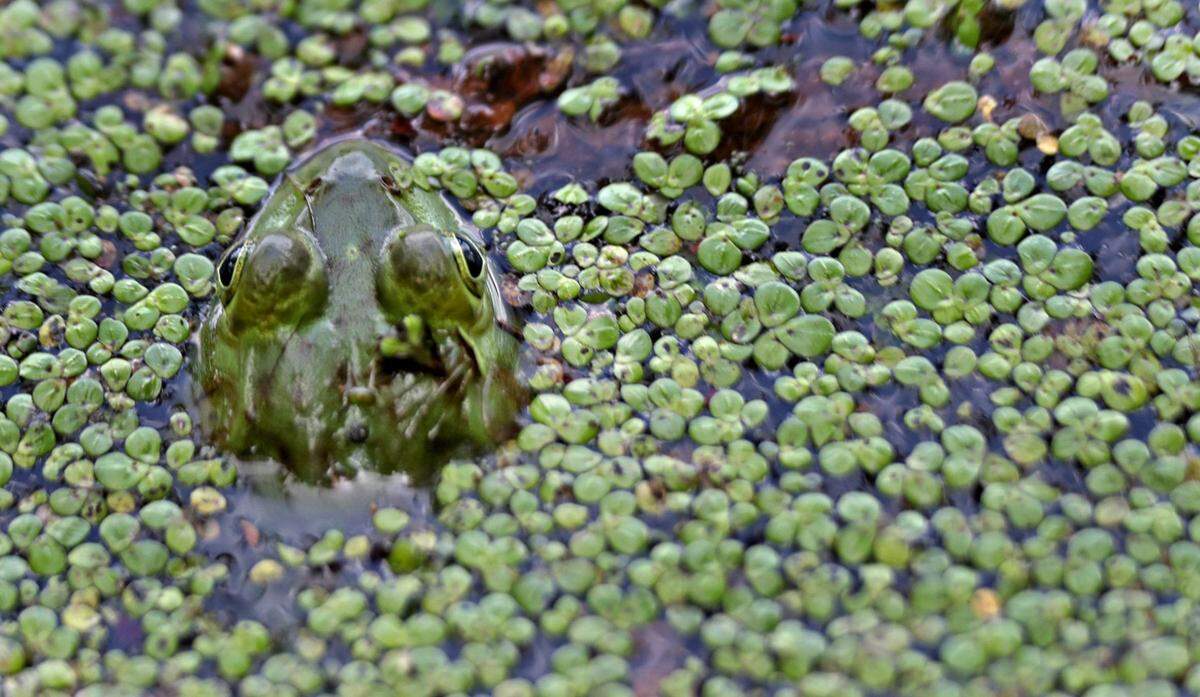
These frogs are often found in freshwater ponds, lakes, and marshes, according to National Geographic.
“American Bullfrogs are a highly invasive species, as they have voracious appetites and will eat anything they can fit into their mouths including birds, bats, lizards, rodents, frogs and more,” Cal OES stated.
These types of frogs can also carry a fatal fungus that is deadly to other amphibians.
Zebra and Quagga Mussels
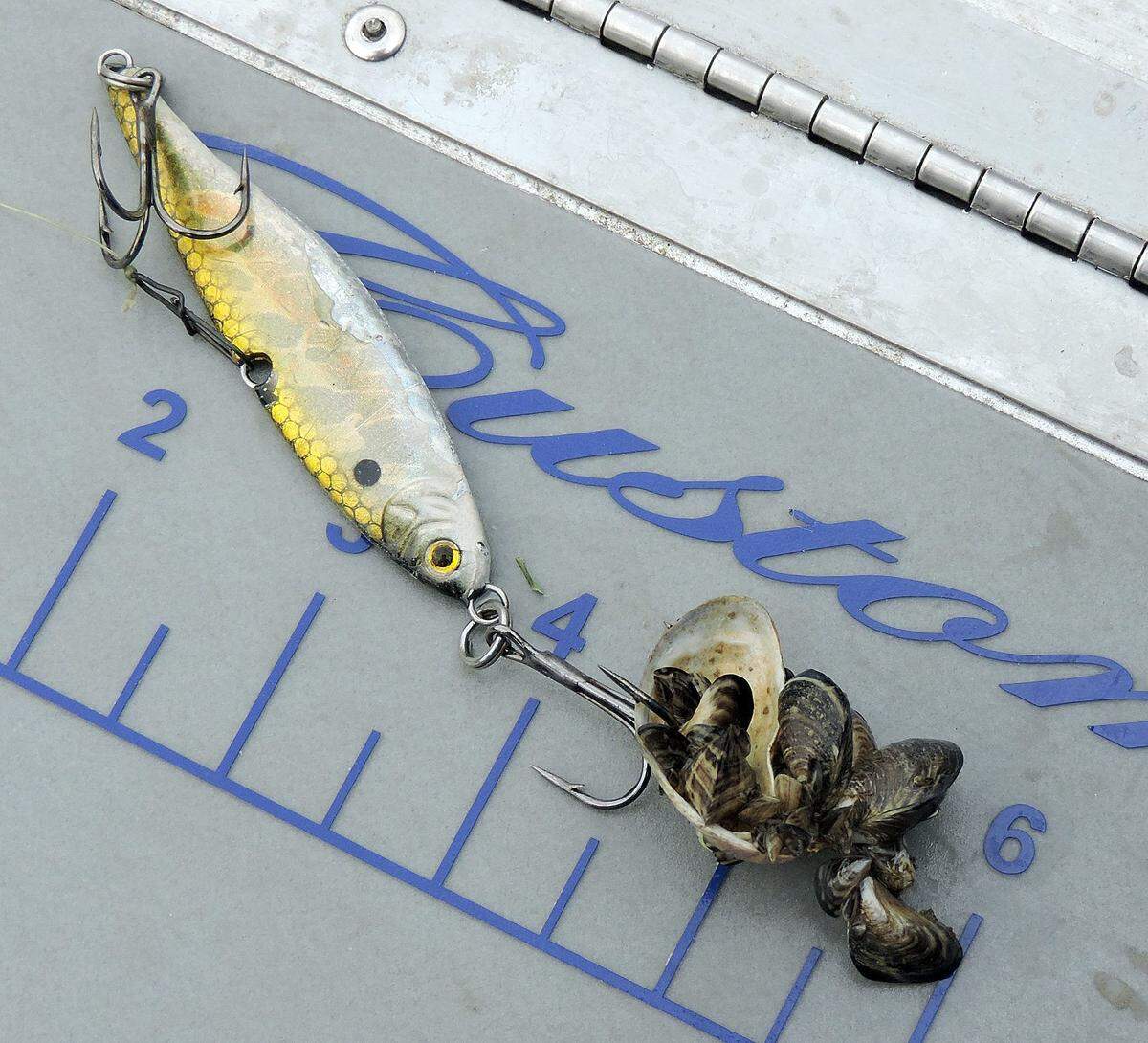
According to Cal OES, these mussels seriously threaten the state’s waterways and fisheries.
They can damage water delivery systems, hydroelectric centers and agriculture.
“Federal and state agencies have been working together to prevent, contain and control the Quagga and Zebra mussel population since their discovery in Lake Mead in 2007,” the department stated. It advises boaters to check, clean, drain and dry the hulls and ballast of boats to prevent these mussels from traveling.
Giant Reed
Giant Reed is a plant that can grow quickly and soak up large amounts of water. Cal OES stated this is a threat to California’s drought status.
How to report sightings
If you see these animals and plants, you can report it to the California Department of Fish and Wildlife’s Invasive Species Program online.