
Are drones allowed here? This is where hobby pilots can (and can’t) fly in California
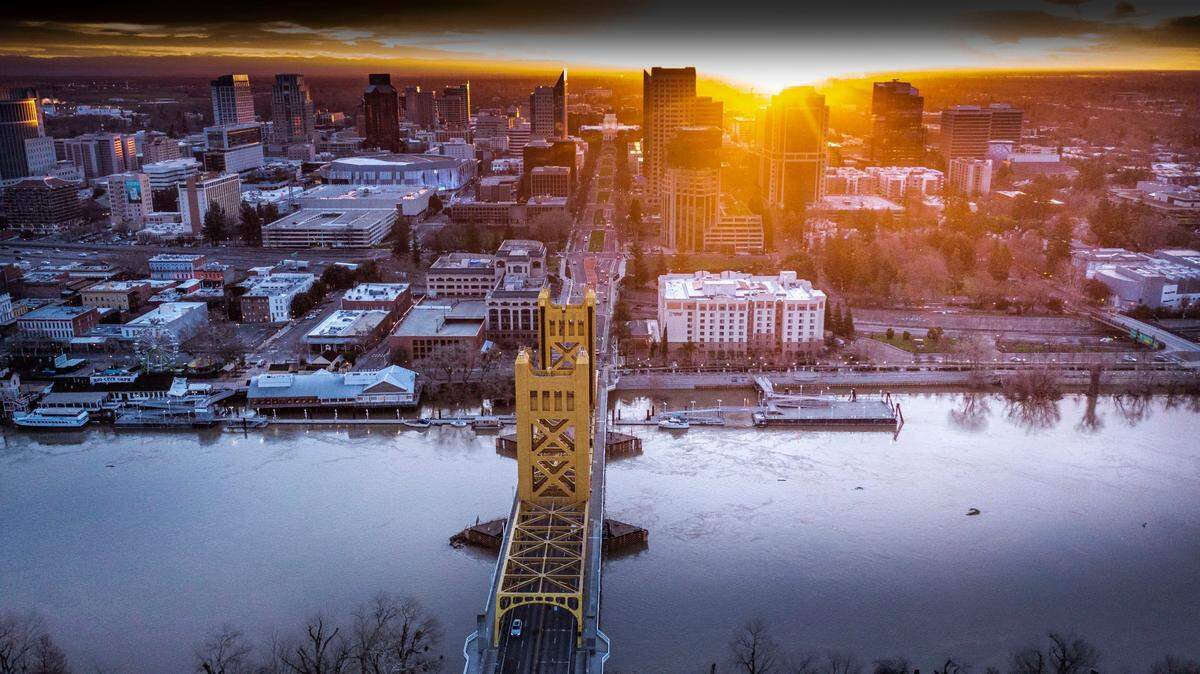
You hear the low, distant buzz of a drone above you while you’re grilling in your backyard. Maybe you spot one flying over the state park as you hike. Is it allowed to be there?
The Federal Aviation Administration governs rules for drones — once they take flight — throughout the United States. The FAA does not have authority over the ground from which you launch. That’s your local, state or federal governance. The agency requires those who fly the aircraft commerically to be certified. Hobbyists — those who fly only for personal enjoyment — generally need to register their drone and are encouraged to take the FAA’s safety test.
All drone pilots — recreational or professional — must follow FAA regulations.
Here’s where recreational drones can and cannot be flown in California:
Can I fly my drone around my neighborhood?
You’ll first want to check if your county or city has additional restrictions on launching. Generally, yes — flying a drone in your neighborhood is legal, as long as it’s in your line of sight and below 400 feet. It’s illegal to capture photos, sound or engage in a neighbor’s family activity without permission, according to California Civil Code Section 1708.8. Flying over people or crowds poses a liability risk.
The city of Lake Forest, for example, states: “Do not intentionally fly over unprotected persons or moving vehicles, and remain at least 25 feet away from individuals and vulnerable property.”
Private property owners, are not allowed to post “No Drone Zone” signs on their land, according to the FAA, as this is the term used by the administration and public entities to signal no-use areas.
Can I fly a drone in California State Parks?
Unless the local authority prohibits drone flight, you can fly your unmanned system at state parks, beaches and recreational areas, according to the California Department of Parks and Recreation.
You may run into restrictions in areas where officials determine flying a drone could harm wildlife, be a wildfire risk or inhibit enjoyment of the park. Flying a drone in state parks can have negative effects on nature, according to the California Department of Fish and Wildlife.
The drone’s buzzing sound can be a disturbance to animals, and in some cases, animals may perceive the drone as a predator, according to the department. If a person is handling a drone too close a bird’s nest, the agency warns that the bird may perceive the drone as a threat, leave its nest and leave its eggs vulnerable to predators.
To avoid disturbing natural habitats follow these best practices, according the department:
- When handling a drone, remain alert and be especially aware of birds. If it’s possible, have a wildlife observer with you when flying your drone to avoid contact with wildlife.
- If there is any visible wildlife in the area, you should always launch and land at least 300 feet from visible wildlife.
- Do not fly lower than 100 feet around animals and wildlife in the area.
- Don’t use your drone as a tool to provoke wildlife. If an animal does seem provoked by the drone, fly away.
Can I fly my drone in National Parks?
Launching, landing and operating a drone on land or water governed by the National Park Service is prohibited, according to the service. Technically, you could launch from outside the park and fly over it — but only if the drone remains in your line of sight and at regulated heights.
Flying over state highways
Other places to avoid flying a drone
Below is a list of places you are not allowed to fly a drone, according to the FAA:
- Large sporting events
- Airports
- Military bases
- National landmarks, such as the Statue of Liberty or Hoover Dam
- Critical infrastructure, such as nuclear power plants
- Washington D.C. region, as it’s governed by a Special Flight Rules Area
- You are not allowed to fly your drone over any emergency events such as fires or hurricanes
How do you find out if you’re too close to an airport?
Airspace authorization is posted on the UAS Facility Map grid altitudes website with the legal height at which your aircraft can operate. When you’re close to an airport, the accepted altitude is 0, meaning you can’t legally take off.
Generally, recreational pilots cannot fly within 5 miles of an airport.
The maps on the website don’t authorize operations in the areas shown on the map, but rather are for informational purposes, according to the Federal Aviation Administration website.