Rare horse — once believed extinct — ‘thriving’ at new CA home. See ‘energetic’ foal
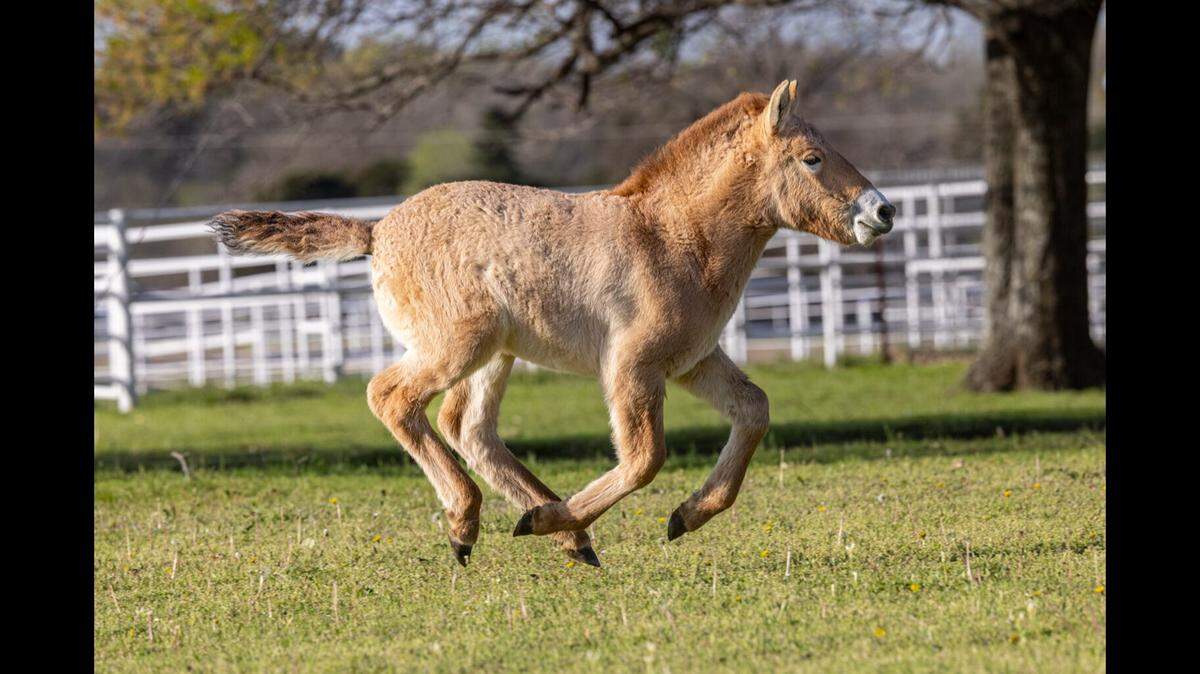
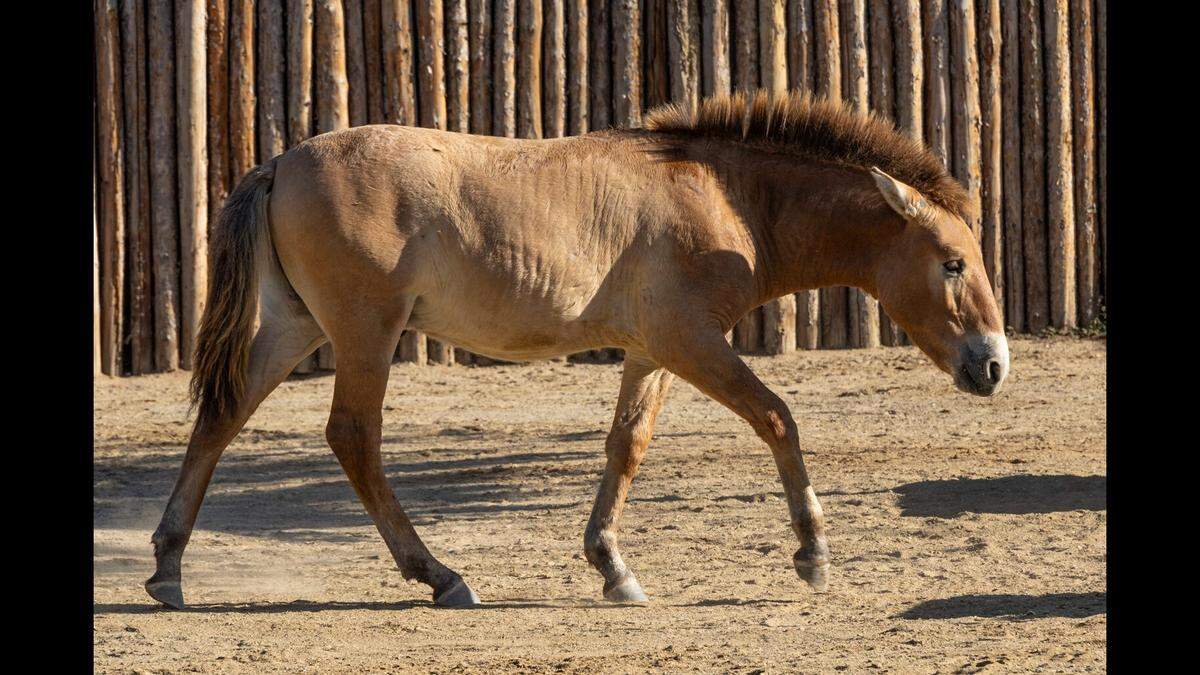
A rare horse, whose species was once considered extinct, made its arrival at a California zoo after becoming the second successfully cloned of its kind.
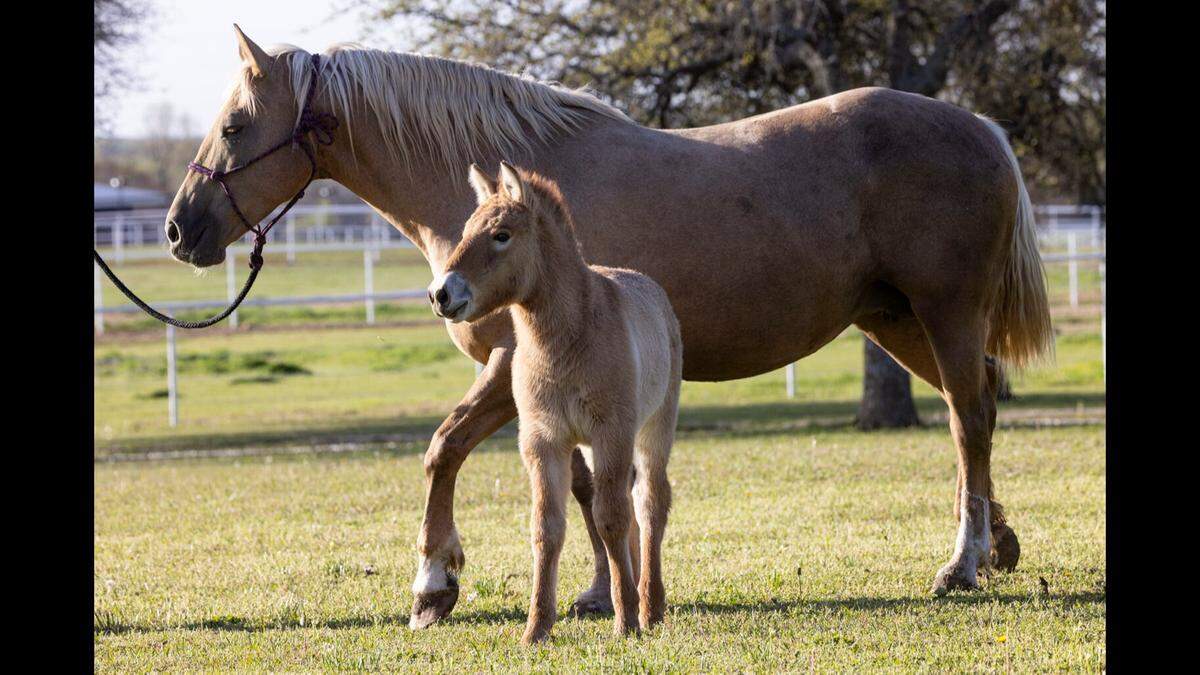
Ollie and his surrogate mother, a domestic quarter horse, were recently moved from a Texas cloning facility to the San Diego Zoo Safari Park, where he is “thriving,” the San Diego Zoo Wildlife Alliance said in a Sept 7 news release.
At his new home, “he can learn the language of being a wild horse from his own species,” the organization said.
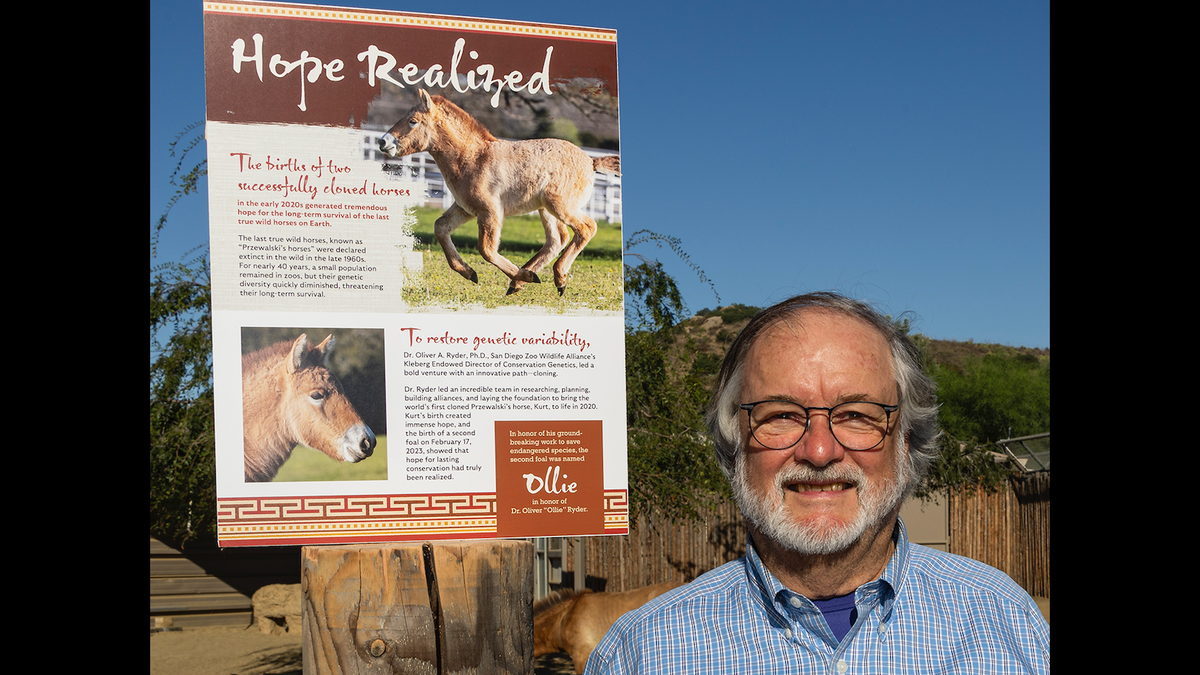
The “energetic six-month-old” was named in honor of Oliver Ryder, a scientist “who made the clone’s historic birth … possible,” the organization said.
“It is an honor to have studied and worked with so many others on the conservation of this special animal,” Ryder said in the release.
‘History … made again’
In February, “history was made again” when Ollie became the second Przewalski’s horse researchers have ever successfully cloned, the organization said.
Ollie’s birth “marked the first time cloning successfully produced more than one individual of any endangered species — an unprecedented achievement that proves this technique can be used as a viable conservation tool for genetic rescue,” the organization said.
The world’s first Przewalski’s horse clone, Kurt, made his debut in 2020, according to the organization.
Once thought to be extinct
Up until 1996, the Przewalski’s horse was considered to be extinct in the wild, the organization said, McClatchy News previously reported.
“The species has survived for the past 40 years almost entirely in zoos around the world,” the organization said.
Using “conservation breeding and reintroduction efforts,” the organization said it has “helped reestablish populations in their native habitat across the grasslands of China and Mongolia.”
The horses once lived “throughout Europe and Asia,” according to the Smithsonian’s National Zoo & Conservation Biology Institute.
“Competition with man and livestock, as well as changes in the environment, led to the horse moving east to Asia, and eventually becoming extinct in the wild,” the institute said.
Now, the Smithsonian institute said, the species can only be found in “reintroduction sites in Mongolia, China, and Kazakhstan.”
The species is considered “the last truly wild horse” in the world, as “wild horses” that roam “Australia and North America’s western plains and East Coast barrier islands” are actually domestic horses that escaped to the wild from ranches and farms, according to the institute.
.jpeg "foal_fitted (1).jpeg")
‘Work isn’t over’
While such conservation efforts are a “remarkable accomplishment, the work isn’t over,” the organization said.
Currently, all living Przewalski’s horses are descendants of 12 individuals, the organization said.
To help the species’ future, the organization said it needs to ensure “an increase in vital genetic diversity.”
“This is where cloning comes in,” the organization said.
Cloning can be used to “bring back that essential genetic variation,” such as with Ollie and Kurt, according to the organization.
The pair are “clones of a stallion that lived over 40 years ago,” using DNA that was previously absent from the species’ population, the organization said.
“Eventually, when they breed, they’ll pass on crucial DNA — creating a ripple effect that will benefit Przewalski’s horses for generations to come,” the organization said.
‘Lots of time to learn and grow’
For now, though, the organization said “Ollie still has lots of time to learn and grow before he matures into a breeding stallion.”
Eventually, once he’s ready, Ollie will join the herd of Przewalski’s horses at the Safari Park, according to the organization.
There, “the others will teach him the ways of his kind,” the organization said.
Until then, Ollie and his mom will be in a private habitat, away from guests, the organization said.
The San Diego Safari Park is located in Escondido, about 30 miles northeast of San Diego.