
It’s baby rattlesnake season in California. Here’s what to do — and how to stay safe
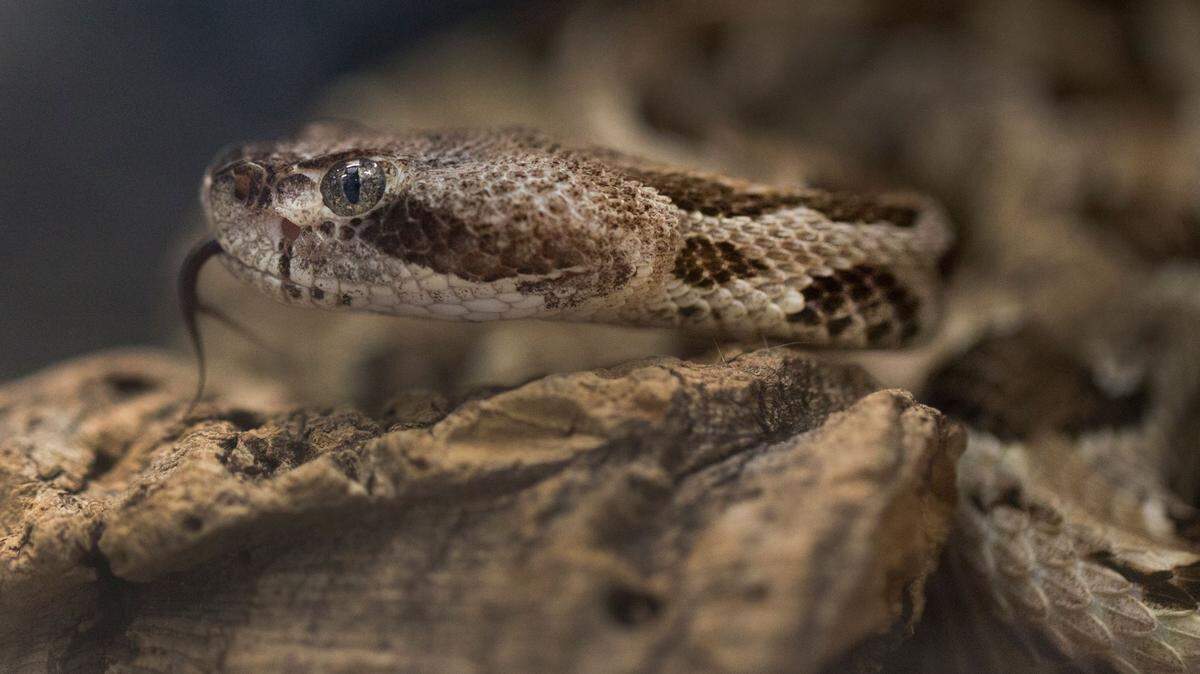
Are you noticing more rattlesnakes? It’s baby rattlesnake season in California.
The Golden State is home to eight species of rattlesnakes. The reptiles can be seen on hiking trails, rural roads and in even your backyard, according to the Los Angeles County Department of Public Health.
The California Poison Control System said it receives hundreds of reports of rattlesnake bites every year, especially during peak rattlesnake season.
The venomous creatures tend to mate in the early summer. With young rattlers set to make their debut, you’re sure to see more of the scaly reptiles, experts say.
Here’s what to know and how to stay safe in California this rattlesnake season:
When are baby rattlesnakes born?
Rattlesnakes are most active outdoors from April through October, typically mating in the warmer months before giving birth in the fall, according to the California Department of Fish and Wildlife.
Female rattlesnakes will seek out old rodent burrows and tight crevices for nesting, and can give birth to as many as 25 babies in a litter, experts say.
The newborns will spend one or two weeks with mom before leaving the nest.
What do baby rattlers look like?
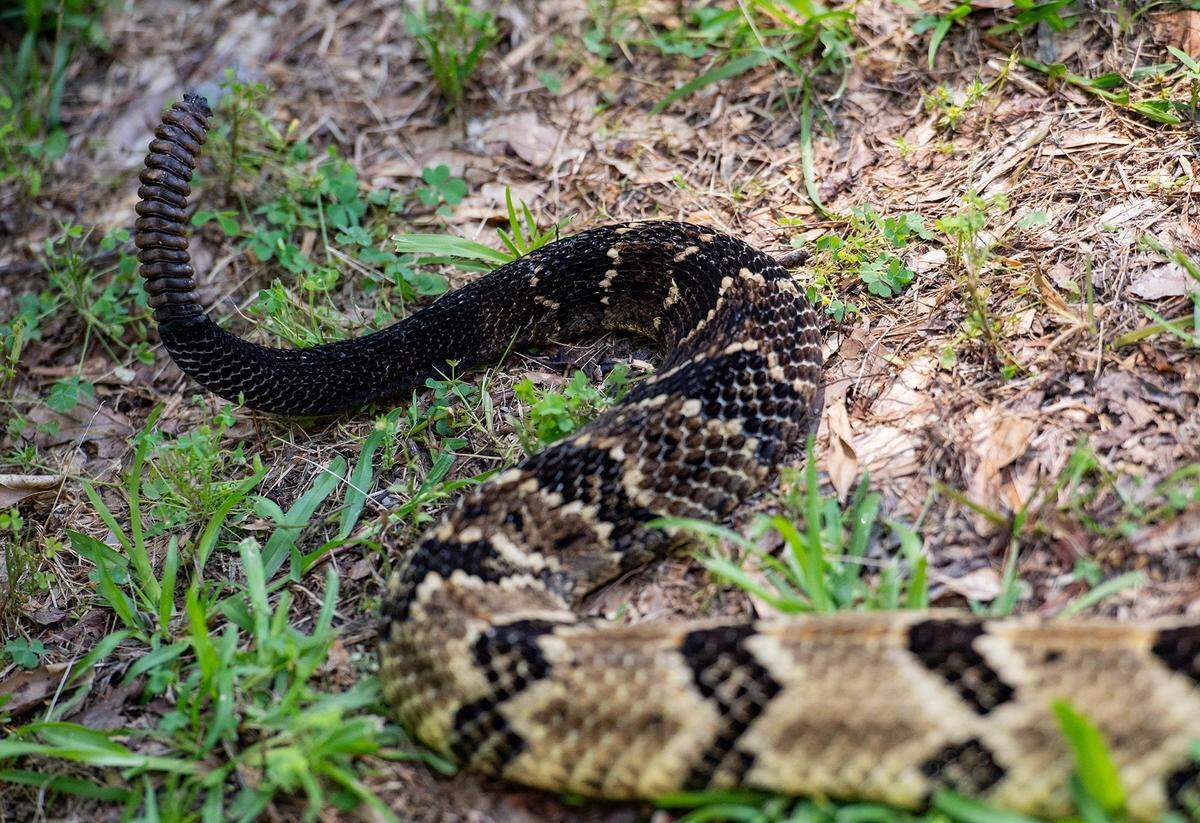
Young rattlesnakes look much like their adult counterparts — just smaller, according to Sciencing.com
Distinguishable features include a “large, triangular head that tapers quickly” and “thick bodies that taper at both ends.”
Baby rattlesnakes are usually between 6 and 12 inches long, the website said.
In comparison, adults can grow up to 8 feet long.
The vipers typically have diamond-shaped patterns on their backs, although the colors vary depending on their environment, experts say.
“Baby snakes have the same markings as adults, and the patterns may be even brighter and more noticeable,” Sciencing.com reported.
Do baby rattlesnakes have rattles?
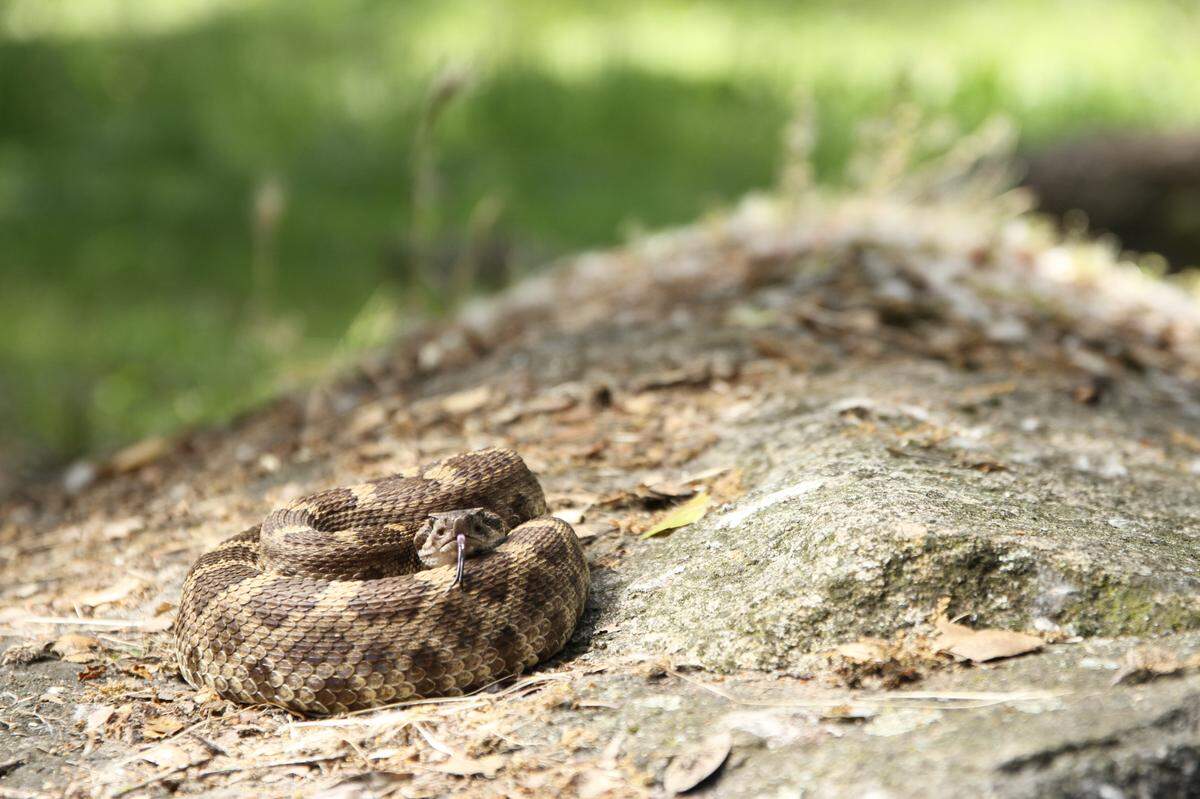
Baby rattlesnakes are born “with a small rattle or button” on their tails, though they may be unable to make that tell-tale buzz until new segments of their rattle develop, according to the California Fish and Wildlife Department.
Made from keratin, the rattles grow a new “segment” each time a rattlesnake sheds its skin or molts, which can happen multiple times a year.
The vipers, regardless of age, don’t always rattle before they strike, however.
“In reality, most rattlesnakes don’t rattle unless they’re very stressed out,” said Emily Taylor, a biological sciences professor at Cal Poly in San Luis Obispo.
“You’ll walk by them and they’re curled up like forbidden cinnamon rolls,” said Taylor, who oversees the university’s Physiological Ecology of Reptiles Lab. “Camouflage is their first line of defense.”
Where are snakes and their young usually found?
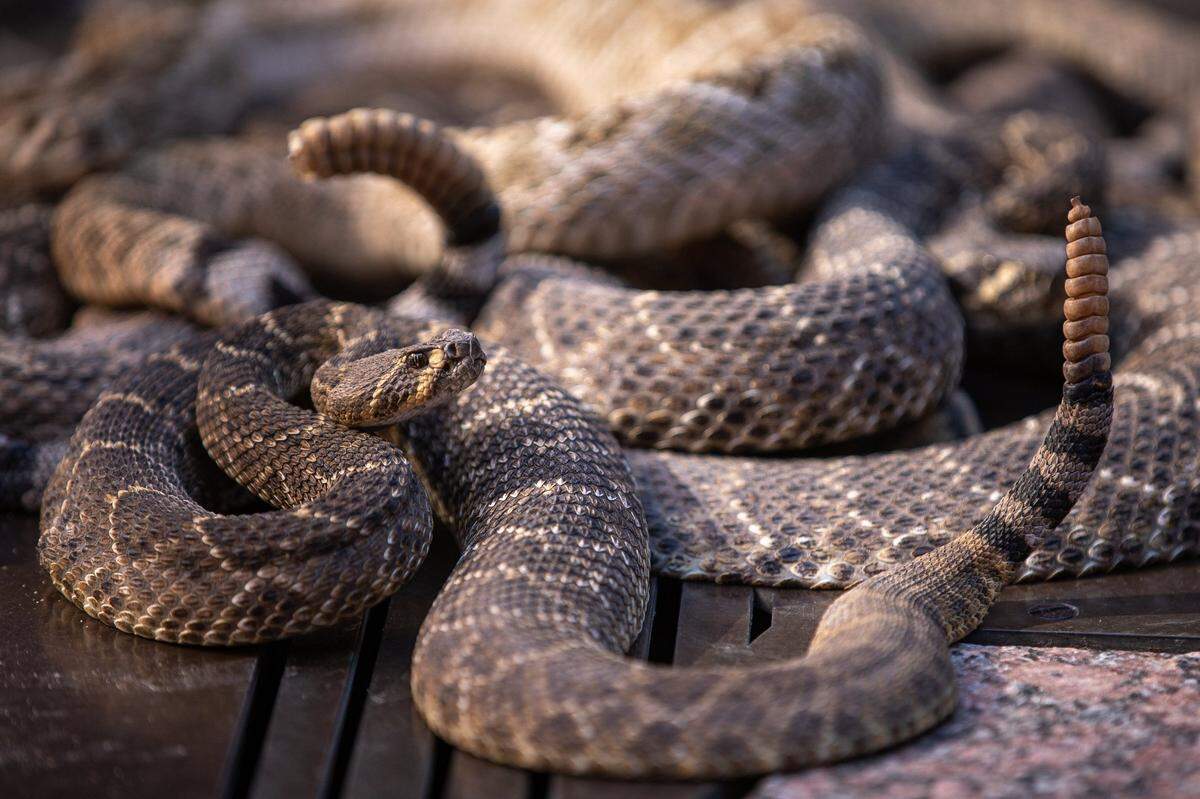
Rattlesnakes and their young can be found in every corner of California and thrive in various habitats, according to the state’s Department of Fish and Wildlife.
“Rattlesnakes can live in rural and urban areas, on riverbanks, in parks and at golf courses,” the department’s website says. “They may also turn up around homes and yards in brushy areas and under wood piles.”
The scaly creatures require rocky, open areas to bask, experts say. Habitats with places to hide and a nearby water source are also a must.
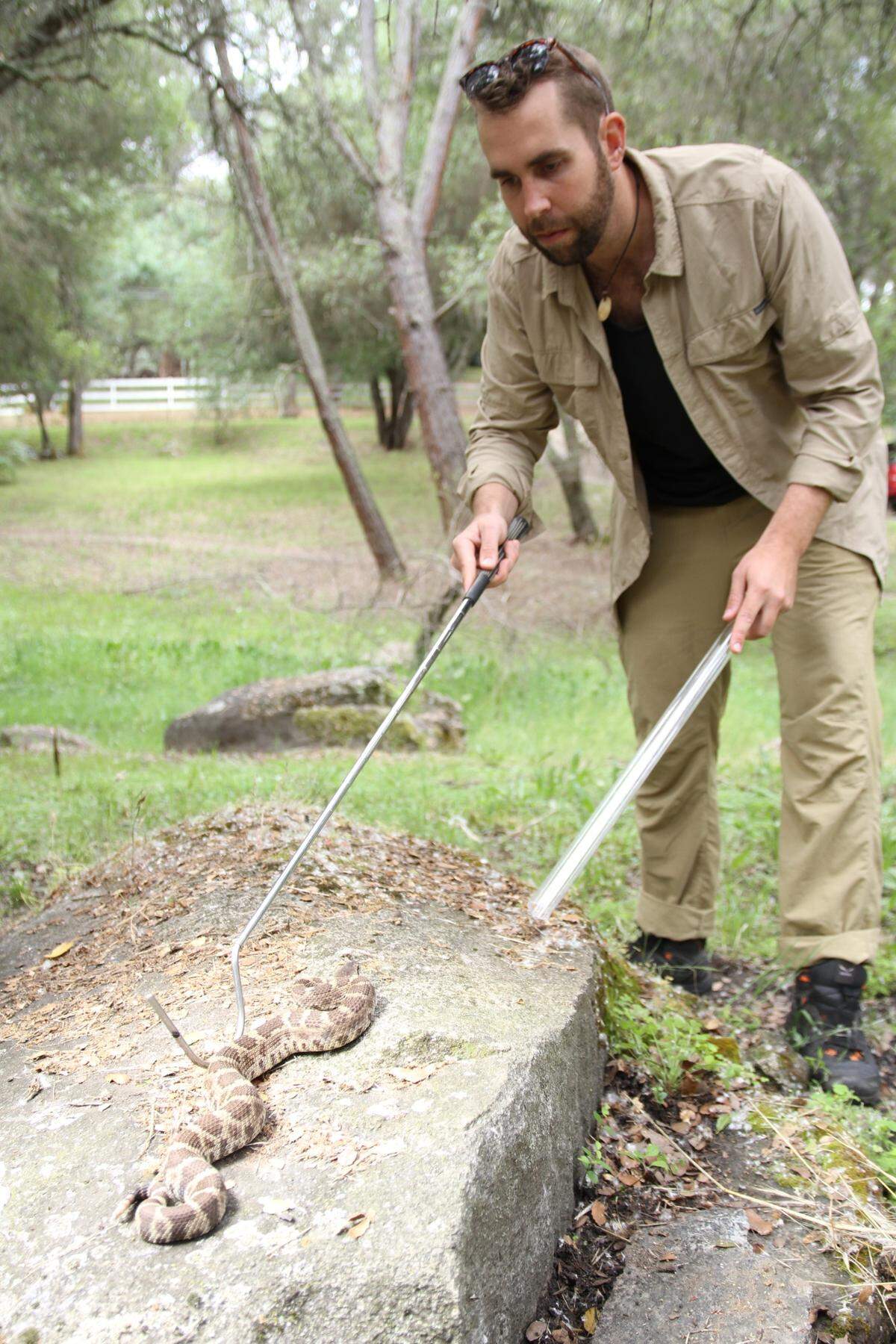
Should you come across one in the wild — or steps from your front porch — experts say it’s best to keep your distance.
“Stay 10 feet away from it and let it move along its way because you’re in its house,” Taylor said. “If rattlesnakes are in someone’s yard or in their house ... the evidence-based best approach is to relocate that rattlesnake.”
What should I do if I’m bitten by a rattlesnake?
While they’re smaller in size, a bite from a baby rattlesnake can be just as dangerous if treatment isn’t swift.
Youngsters release less venom but their poison can be more potent, according to Taylor.
There’s also what’s known as a “dry bite” when no venom is released “because venom creation and use can be energetically expensive,” the state Department of Fish and Wildlife said.
Either way, experts say rattlesnake bites require immediate attention.
“Severe or even life-threatening symptoms may occur within minutes or couple of hours after a rattlesnake bite,” according to the California Poison Control System. “As rattlesnake bites can be deadly, your best bet is to call 911 and get to a hospital as soon as you can.”
Bites are rare, however, and typically occur when a rattlesnake feels threatened, experts say.
Otherwise, the snakes try their best to avoid human contact.
How do I stay safe?
Prevention is key when it comes to avoiding a rattlesnake bite, experts say.
The California Department of Fish and Wildlife offers several tips to avoid run-ins with the venomous vipers:
- Stay alert when you’re outdoors.
- Wear sturdy boots and loose-fitting long pants.
- Stay on well-used trails, avoiding tall grass, weeds, and heavy underbrush.
- Check rocks, stumps or logs before sitting down.
- Shake out your sleeping bag and tent before use.
Let others know where you’re going, when you plan to return, and carry a cellphone.
Use the buddy system.
This story was originally published September 18, 2024 at 7:39 AM.