
Will Yosemite National Park require reservations this summer to curb crowds? What to know
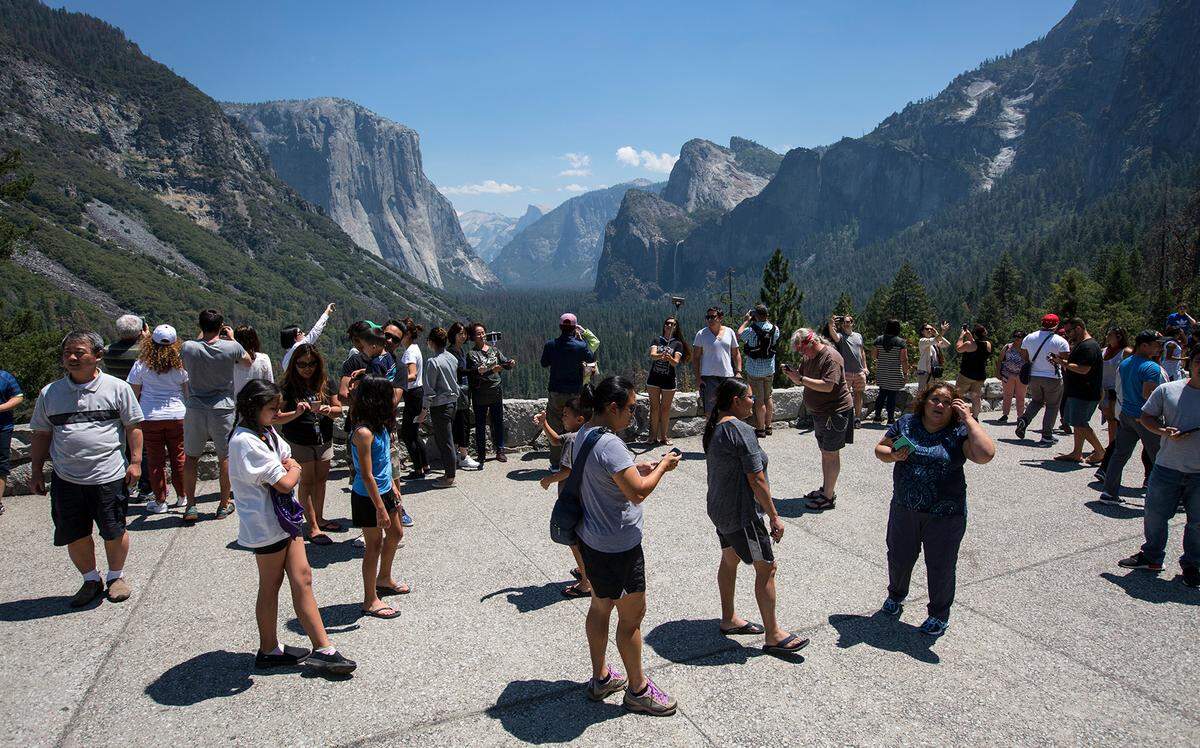
Yosemite National Park has been dealing with overcrowding issues for decades, according to National Park Service officials.
In 1980, Yosemite welcomed 2 million visitors.
By 1996, that number had risen to 4 million visitors, according to National Park Service officials.
Since then, 4 to 5 million people have flocked to the scenic park in California’s Sierra Nevada every year — resulting in long waits at entrance gates, busy roads, overflowing parking lots and hiking trails cluttered with trash.
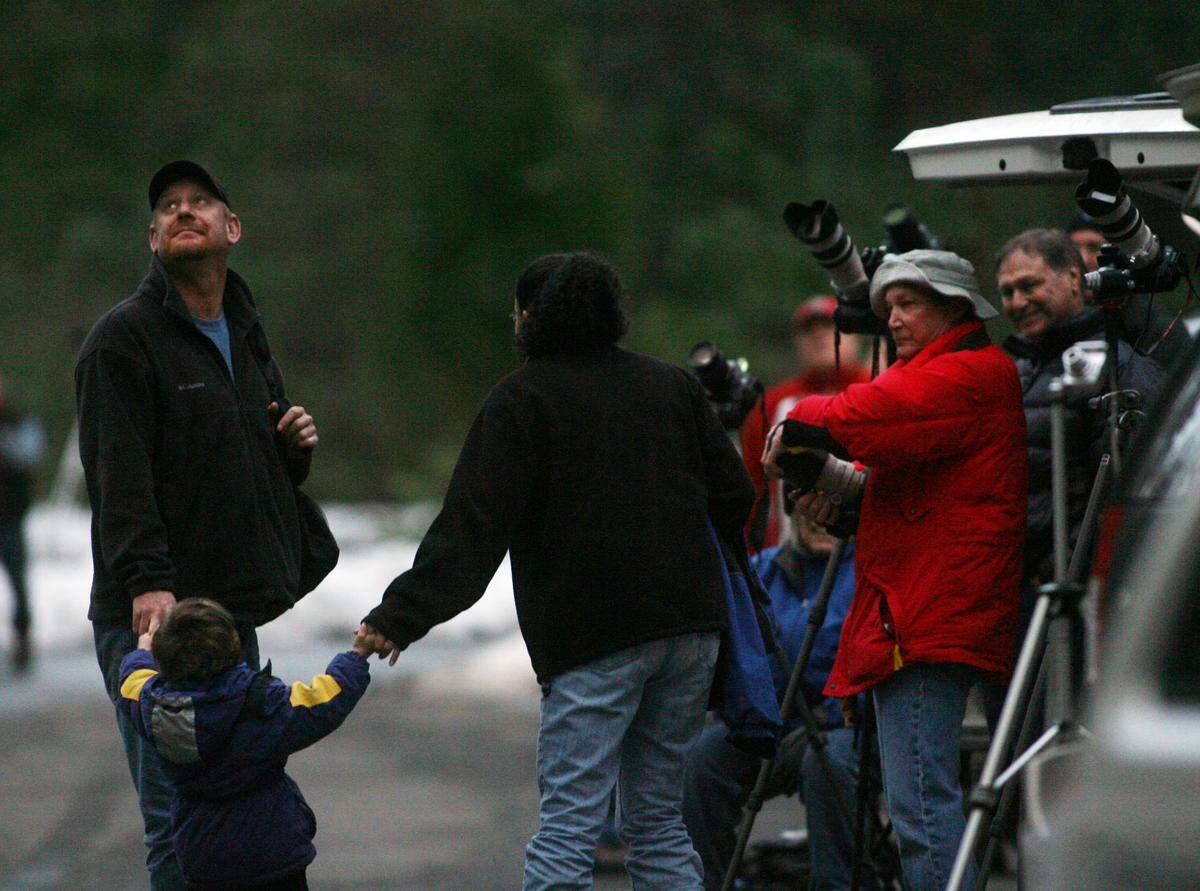
The park has tried various management plans over the years to curb crowd size, National Park Service officials said, including a weekend reservation system in February to limit visitors attracted by the natural phenomenon known as the Yosemite “firefall.”
As of Thursday, Yosemite had yet to announce its official plans for entrance reservations in the spring and summer.
“Yosemite National Park anticipates sharing details about this year’s reservation system early in 2025,” the park said its website, which was most recently updated on Feb. 24. “We recognize the importance of providing clarity on that system as soon as possible to accommodate peak summer season travel planning.”
The park is also delaying reservations for campsites at several popular campgrounds.
What does that mean for folks hoping to visit the park? Here’s what we know:
When did Yosemite National Park start requiring reservations?
Yosemite National Park started using a reservation system in 2020 during the COVID-19 pandemic to limit the number of people according to National Park Service officials.
After limiting visitors entrances in the summers of 2021 and 2022, the park decided to forego an entrance reservation system in the summer of 2023.
That resulted in long lines and other issues, National Park Service officials said.
Yosemite successfully reintroduced entrance reservations for park visitors in 2024.
When’s the most popular time of year to visit Yosemite?
Widely considered one of the best national parks in the nation, Yosemite National Park features waterfalls, meadows, giant sequioas and granite cliffs spread across 748,542 acres.
Spring and summer are the most popular seasons to visit the park, according to the National Park Service website.
April and May are good months to see the park’s waterfalls, which include Yosemite Falls, Sentinel Falls, Ribbon Fall, Horsetail Fall, Bridalveil Fall, the website said.
“While late May and early September are the most popular times to visit due to smaller crowds and mild temperatures, there are trails fit for every time of year in Yosemite,” said First Light Resorts Yosemite, which operates three lodging options for visitors exploring Yosemite National Park.
Summer month offer an ideal time to see wildflowers and go hiking, the Yosemite National Park website said.
“There is also less rainfall during the summer, making it an ideal time for hiking and camping,” First Light Resorts Yosemite said.
“Hikes from Yosemite Valley, Wawona and Hetch Hetchy are usually snow-free by June, and many of these trails can be suitable for backpacking,” Yosemite National Park said on its website.
How is Yosemite dealing with crowds?
Yosemite National Park has developed a visitor access management plan to provide “a great visitor experience while protecting Yosemite’s natural and cultural resources” in 2025, the park said on its website, and is waiting to implement it.
“Yosemite has been grappling with congestion — even gridlock — for decades,” the park said on its website. “We want to build from the lessons learned from the last three summers of managed access.”
According to the Yosemite National Park website, the visitor access management plan will be used to address a wide range of issues, including:
- Road and parking congestion that delays emergency response and causes unsafe conditions for visitors and staff.
- Long waits at entrances that detract from positive visitor experiences.
- Insufficient numbers of staff responding to intense use and maintenance of facilities.
- Vegetation impacts from non-designated parking.
- Human waste along roads and turnouts and in parking lots
According to National Park Service officials, the plan could either be made permanent for the summer or try a pilot program.
Critics have expressed concerns that such a plan negatively impact gateway communities that rely on park visitors to keep hotels, restaurants and other business afloat.
“I’ll go to Washington, D.C., I’ll go wherever I need to go to say, ‘Don’t lock visitors out,’” Rhonda Salisbury, CEO of Visit Yosemite Madera County, told the San Francisco Chronicle in February.
Although Yosemite administrators approved a permanent reservation system in December 2024, the plan had yet to receive final approval from the Pacific West Regional Office of the National Park Service in early February, the San Francisco Chronicle reported, and the Trump administration had it under review.
On Tuesday, California Sen. Alex Padilla sent a letter to U.S. Secretary of the Interior Doug Burgum urging him to approve a permanent reservation system at Yosemite National Park and adequately staff the park during its busiest time of year, SFGate reported.
“I am writing to express my strong support for the park’s efforts to better manage the visitor experience and reduce overcrowding through a permanent online reservation system,” Padilla wrote.
“The uncertainty surrounding the plan’s approval is directly affecting visitors who are trying to make their summer plans now,” he wrote, “as well as gateway businesses who depend on summer tourism to survive.”
How have federal cuts impacted Yosemite National Park?
The delay in approving the reservation plan coincides with a series of federal cuts.
The Trump administration has fired around 1,000 National Park Service worker across the United States as part of efforts to reduce government waste, The Sacramento Bee previously reported.
In addition, more than 700 Park Service employees have submitted resignations in response to a federal offer, according to The New York Times.
In California, the layoffs include staff reductions at Yosemite, Joshua Tree, Death Valley and Sequoia and Kings National Parks.
However, the Trump administration has pledged to restore at least 50 Park Service jobs and hire up to 7,700 seasonal positions this year, the Associated Press reported.
About 12,160,000 people visited national parks in California in 2024, up by 7% — 772,000 visitors — from the previous year, The Bee reported. That’s the highest number of visitors to the state’s national parks since 2019.
Can I still get a Yosemite camping reservation in 2025?
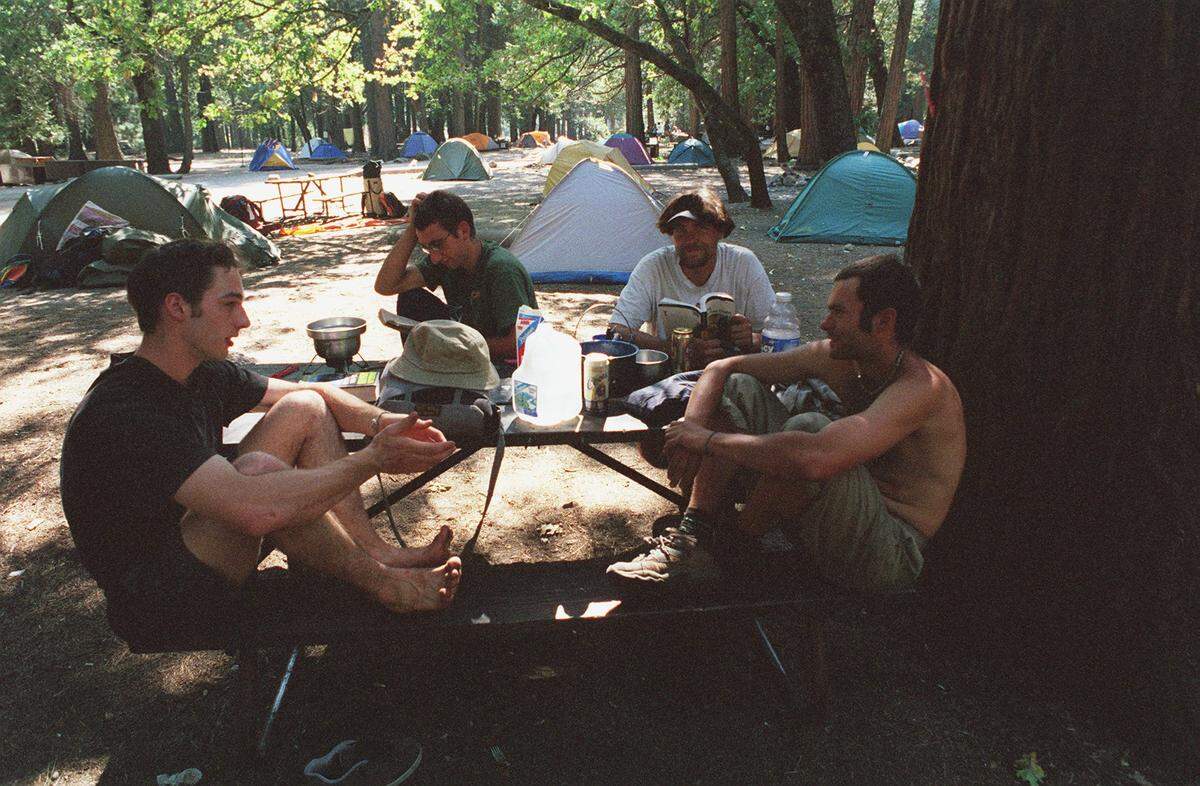
Yosemite is delaying the sale of overnight camping reservations for five campgrounds — Upper Pines, Lower Pines, North Pines, Wawona and Hodgdon Meadow — for reservations from June 15 to July 14.
“ Our goal is to release these campground nights as soon as possible and we will provide at least a seven-day advance notice before reservations go on sale,” the park said on its website. “The notice will be posted to the park’s website and social media feeds.”
Only Upper Pines Campground is open for reservations all year, according to Yosemite.
Reservations for Lower Pines, North Pines and Wawona and Hodgon Meadow campground reservations are released five months in advance on the 15th of each month, the park said on its website, while camping reservations at other Yosemite campgrounds are generally released one to two weeks in advance.
To make a reservation, visit Recreation.gov, the federal government’s online travel planning and reservation platform.
This story was originally published March 14, 2025 at 5:00 AM with the headline "Will Yosemite National Park require reservations this summer to curb crowds? What to know."
CORRECTION: An earlier version of this article incorrectly implied attribution of certain information to Yosemite National Park officials. The information came from National Park Service officials. The error has been corrected.
%20Cropped.jpg)