Daylight savings is about to start in California. When to spring forward, how to prepare
Are you ready for some more sunshine?
Californians soon lose an hour of sleep — and gain some additional sunlight — when daylight saving time starts.
When do we officially “spring forward” and set clocks and watches ahead an hour? What’s the best way to survive the time change?
Here’s what you need to know:
When is daylight saving time?
Daylight saving time starts across most of the United States on the second Sunday of March and ends on the first Sunday in November, according to Time and Date, an online world clock.
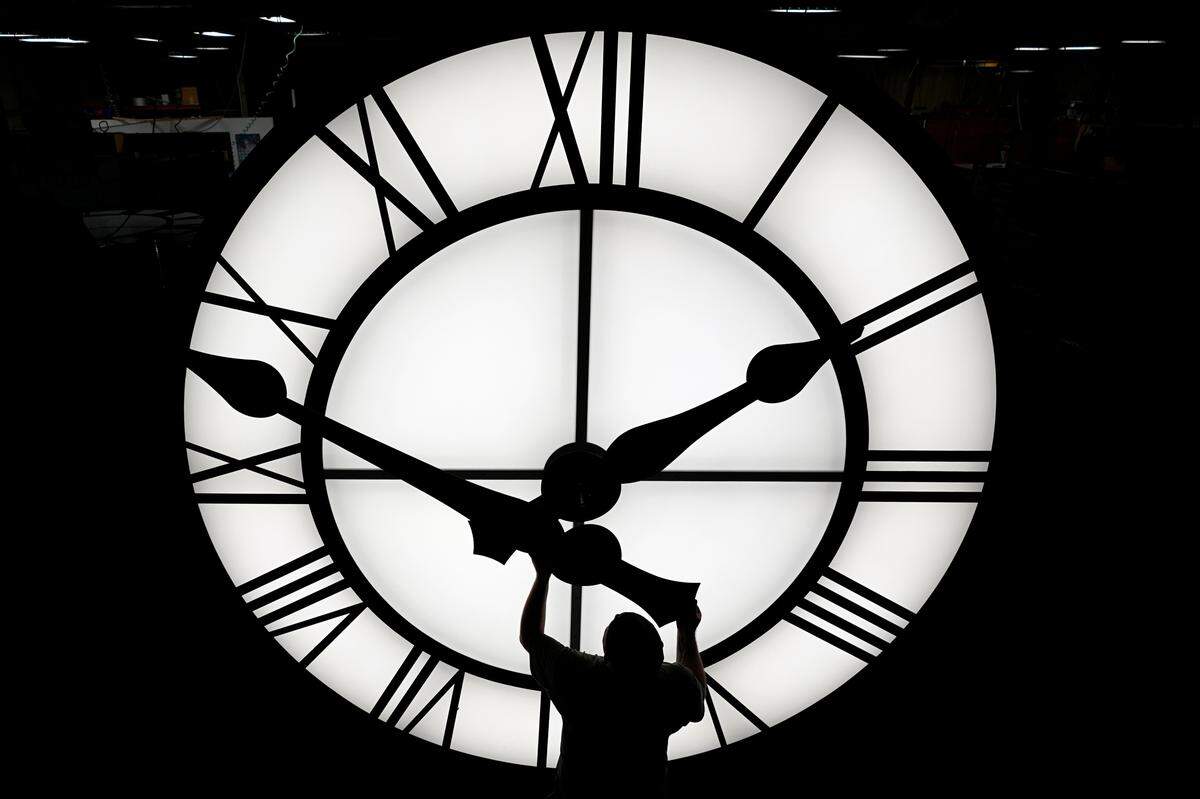
At 2 a.m. Sunday, March 9, clocks in most of the country will jump ahead by one hour.
The return of daylight saving time means the first day of spring is almost here.
In 2025, the vernal equinox is on Thursday, March 20, officially marking the start of the season in the Northern Hemisphere.

What does time change do to sunrise and sunset?
After daylight saving time begins, sunrise in Sacramento will be at 7:25 a.m. and sunset will be at 7:07 p.m., according to the online clock website Time and Date.
Here are the monthly sunrise and sunset times in California until November:
- April 9: 6:38 a.m. sunrise, 7:37 p.m. sunset
- May 9: 5:59 a.m. sunrise, 8:05 p.m. sunset
- June 9: 5:41 a.m. sunrise, 8:29 p.m. sunset
- July 9: 5:50 a.m. sunrise, 8:32 p.m. sunset
- Aug. 9: 6:15 a.m. sunrise., 8:07 p.m. sunset
- Sept. 9: 6:42 a.m. sunrise, 7:22 p.m. sunset
- Oct. 9: 7:09 a.m. sunrise, 6:35 p.m. sunset
What’s the best way to prepare for daylight saving time?
Changing the time on your clock alters your normal pattern of exposure to daylight, according to SleepFoundation.org.
“This can throw off your body’s circadian rhythm, the internal clock that helps control sleep and many other biological processes,” the sleep-focused website said.
The transition from standard time to daylight saving time can result in “significant public health and safety risks,” according to the American Academy of Sleep Medicine, including increased risks of heart problems, mood disorders and car crashes.
Here’s how to prepare for daylight saving time, according to SleepFoundation.org:
- Get a good night’s sleep
- Use relaxation techniques
- Set your clocks ahead before bed
- Eat dinner a few hours before bedtime
Avoid caffeine and alcohol before bedtime
- Take a short nap
After the time switch, seek out natural light to “help your body’s internal clock get used to the new timing of daylight and darkness,” SleepFoundation.org said.
Why do clocks ‘spring forward’?
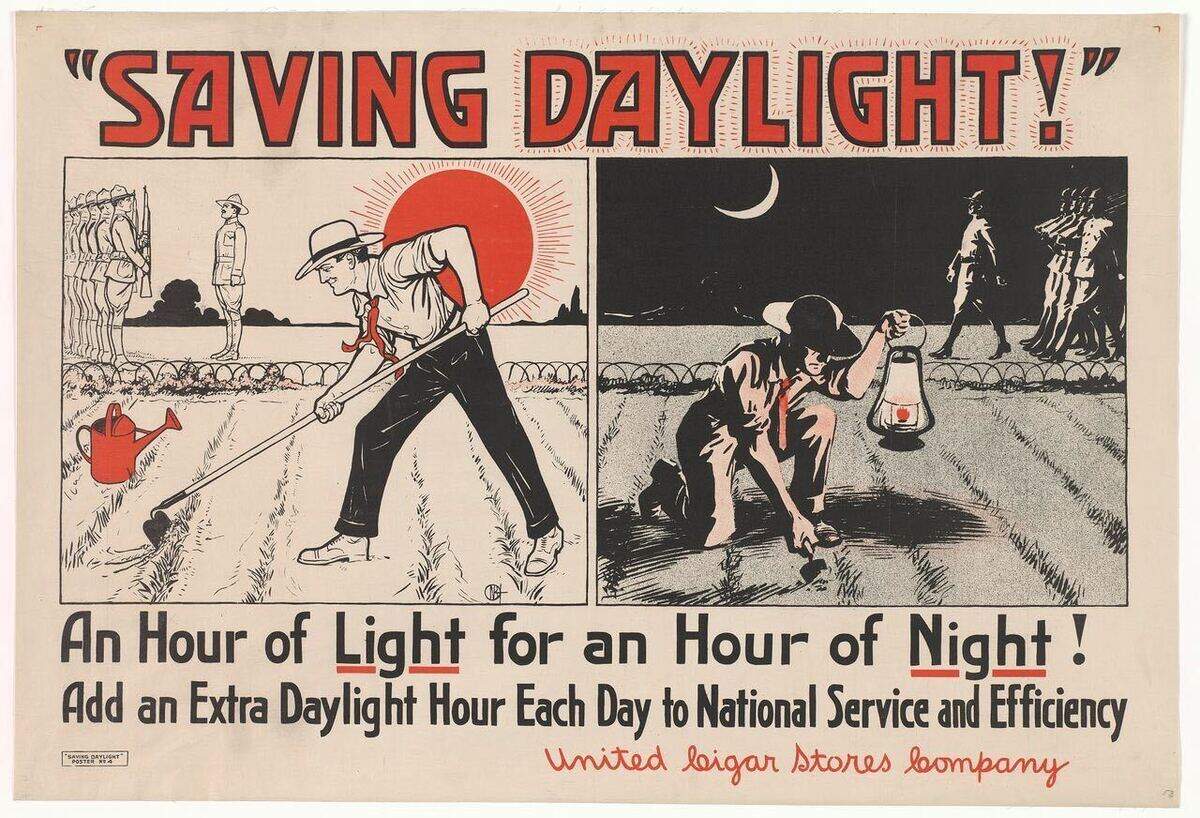
Contrary to popular belief, daylight saving time wasn’t created to help farmers.
Instead, it’s designed to save money and energy.
In 1895, New Zealand entomologist George Hudson proposed shifting the clocks to create more daylight for studying bugs, according to National Geographic.
Clocks were briefly pushed forward as a global attempt to save energy during World War I, Johns Hopkins Bloomberg School of Public Health stated.
Germany implemented daylight saving time in 1916 and the United States followed suit two years later, according to The University of Colorado, Boulder.
President Franklin Roosevelt resurfaced the concept during World War II before the Uniform Time Act of 1966 established a biannual time change similar to what we use today.
Is it daylight ‘saving’ or ‘savings’ time?
According to Almanac.com, the correct term is “daylight saving time” without the extra “S.”
You can also refer to it as “spring forward,” or refer to it by its British name, “summer time.”
Does everyone follow daylight saving time?
Not every state observes it.
The Uniform Time Act allows states to choose whether to participate in daylight saving time or stay in standard time all year. Currently, only Hawaii and most of Arizona observe permanent standard time.
Didn’t California vote to stop the time change?
Californians overwhelmingly voted to establish permanent, year-round standard time or permanent, year-round daylight saving in 2018.
Proposition 7, or the Legislative Power to Change Daylight Saving Time Measure, received 59% of the vote in favor of the change.
Nearly seven years later, state lawmakers have not passed any legislation to move California to permanent daylight saving or standard time.
Congressional action would also be required if the state wanted to move to daylight saving time year-round.
When does daylight saving time end?
Daylight saving time will end at 2 a.m. on Sunday, Nov. 2, when clocks “fall back” by an hour.
Sunrise and sunset will be about an hour earlier on Nov 2 than the day before. In Sacramento, sunrise will be at 6:34 a.m. and sunset will be at 5:04 p.m., according to TimeandDate.com.
“There will be more light in the morning and less light in the evening,” TimeandDate.com said.