California Real ID deadline is here. Why did it take 20 years to implement?
The deadline to get your California Real ID has arrived.
After two decades of federal delays, the state’s new identification requirement goes into effect starting Wednesday, May 7.
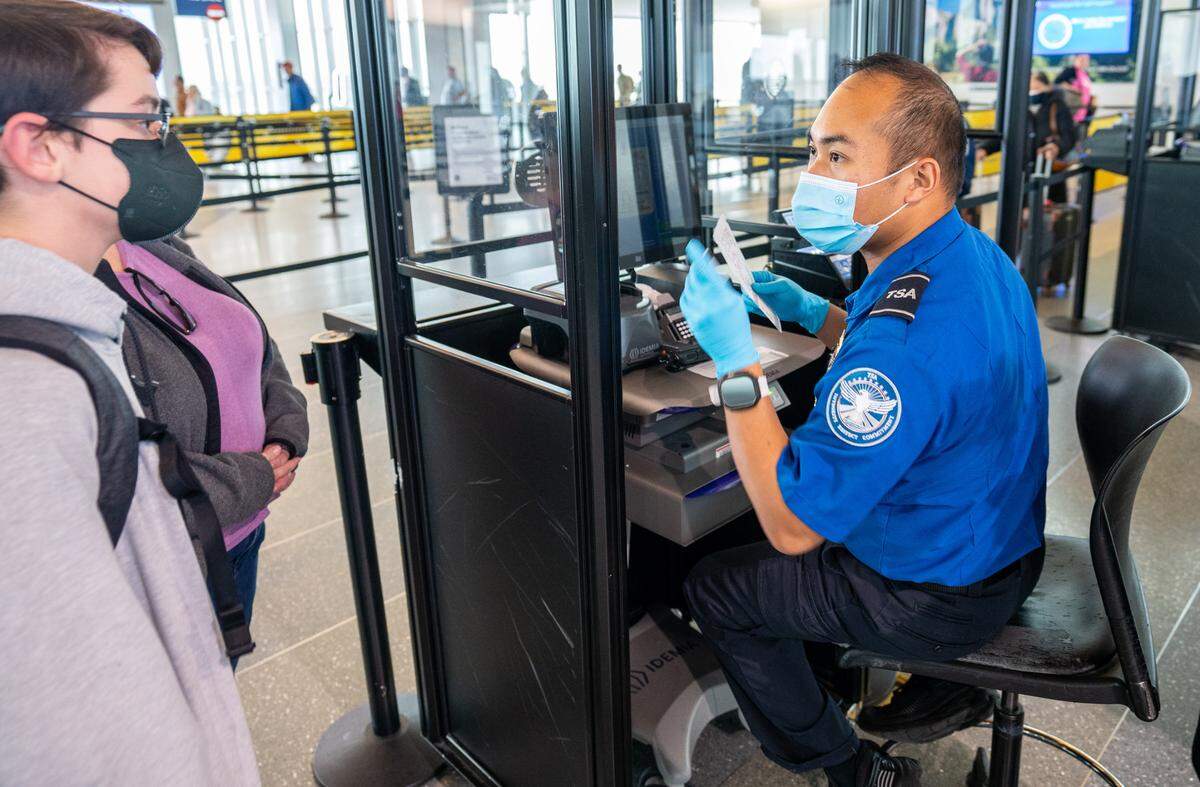
The U.S. Department of Homeland Security now requires people to have a federally approved document — such as a passport or a Real ID driver’s license — for domestic plane travel.
The law requiring security-enhanced identification cards to travel took 20 years to enact in the United States.
Here’s what to know about the new ID card.
Why do I need a California Real ID?
Congress first passed the Real ID Act in 2005 in an effort to strengthen national security in the United States in response to the 9/11 terrorist attacks.
It was signed into law by then-President George W. Bush on May 11, 2005, with plans to carry out the new identification requirement in phases over several years.
The law was shaped around the 9/11 Commission’s recommendation to create federal standards for driver’s licenses and identification cards, according to the Department of Homeland Security.
“Secure driver’s licenses and identification documents are a vital component of our national security framework,” the federal agency said on its website.
However, a variety of delays caused by the COVID-19 pandemic and DMV backlogs delayed the deadline.
Why did it take 20 years to implement California Real ID?
The Real ID Act was initially set to go into effect in 2008.
By August 2007, 13 states pledged to reject the increasingly controversial ID card, stating that it would cost billions to enforce, cause longer lines at state agencies and heighten privacy risks, Reuters reported at the time.
The enhanced identification card’s first deadline was set for May 11, 2008, according to the federal homeland security department. It was pushed back by three years as opposition grew.
In 2011, the Obama administration paused the deadline again, rescheduling it to January 2013 to give states more time to secure funds and update card security features, according to previous reporting from CNN.
The Department of Homeland Security later began implementing the law at military bases, nuclear power plants, and most federal facilities.
However, it wasn’t until 2016 that DHS released its final plan for changing ID requirements for all commercial air travelers, with a target date of Oct. 1, 2020.
Then the COVID-19 pandemic forced another series of delays: a 12-month postponement to Oct. 1, 2021, followed by another deferral to May 3, 2023, before the final deadline extension to May 7, 2025.
What is California’s Real ID requirement?
California’s Real ID requirement was implemented on Wednesday, May 7.
You will need the special state-issued identification card to board domestic airplane flights and access federal facilities and nuclear power plants, the Department of Homeland Security said on its website.
The law applies to everyone 18 years old or older, according to the federal agency.
How do I apply for a Real ID from DMV?
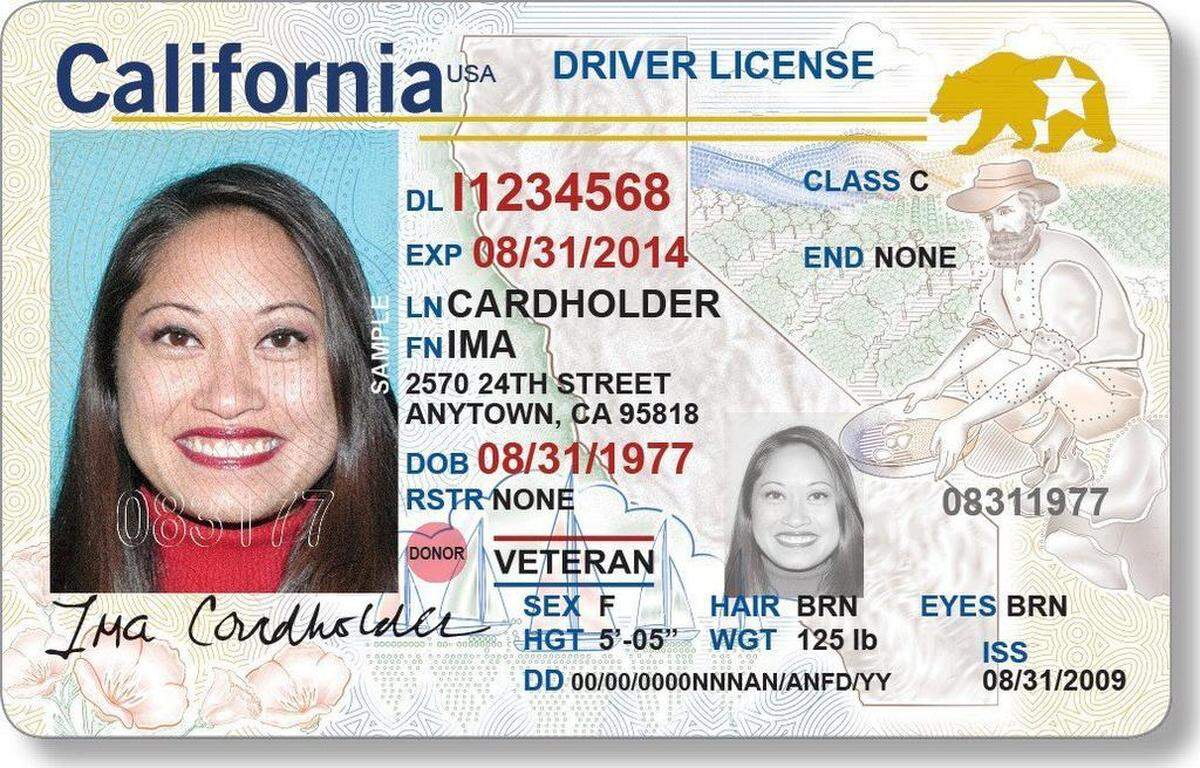
Applicants need to complete these steps to get a California Real ID from the California Department of Motor Vehicles, according to the state road agency’s website:
▪ Submit a document that confirms your identity, such as a U.S. passport or birth certificate. Your current full name must match the name listed on the identity document.
▪ Provide two printed documents that prove your residence within the state. For example, you can use a utility bill, insurance documents, phone bill or bank statement to confirm your mailing address.
▪ Complete the online Real ID application, a process that typically takes less than 10 minutes. You’ll need your name, address, birth date and Social Security number.
▪ To complete the process, visit a California DMV office. Bring your documents establishing your identity and residence, plus your Real ID application code, and pay a $35 fee.
To avoid long lines, you can reserve an appointment online ahead of time.
Do I have to get a California Real ID?
Getting a California Real ID driver’s license or identification card is “optional,” according to the DMV’s website.
You only need a Real ID if you use your driver’s license or identification card to board domestic flights within the United States or enter secure federal facilities after Wednesday, May 7.
“If you want to continue to use a U.S. passport, U.S. passport card, military ID, enhanced driver’s license, or other federally accepted identification to do those things, you do not need to get a Real ID,” the DMV said.
More than 19 million Californians had received their Real IDs, which represents about 55% of all issued cards, a DMV spokesperson told The Sacramento Bee.
More than 15 million Californians do not have a Real ID card yet, according to DMV data.
Due to high demand ahead of the May deadline, the DMV recommended that residents with passports hold off on applying for a Real ID for now.
“Californians who do not have a Real ID but already hold a valid passport can comfortably wait to convert to a Real ID when their driver’s license is due for renewal,” the DMV advised.