
The Fed held the line on interest rates. What does that mean for Californians?
Californians shouldn’t expect much change anytime soon in interest rates for homes or cars.
The Federal Reserve left its key rates unchanged Wednesday amid all the uncertainty over the path of the American economy. Its target rate will remain between 4.25% and 4.5%. It’s the rate banks assess to lend money to each other overnight and has a major influence on consumer interest.
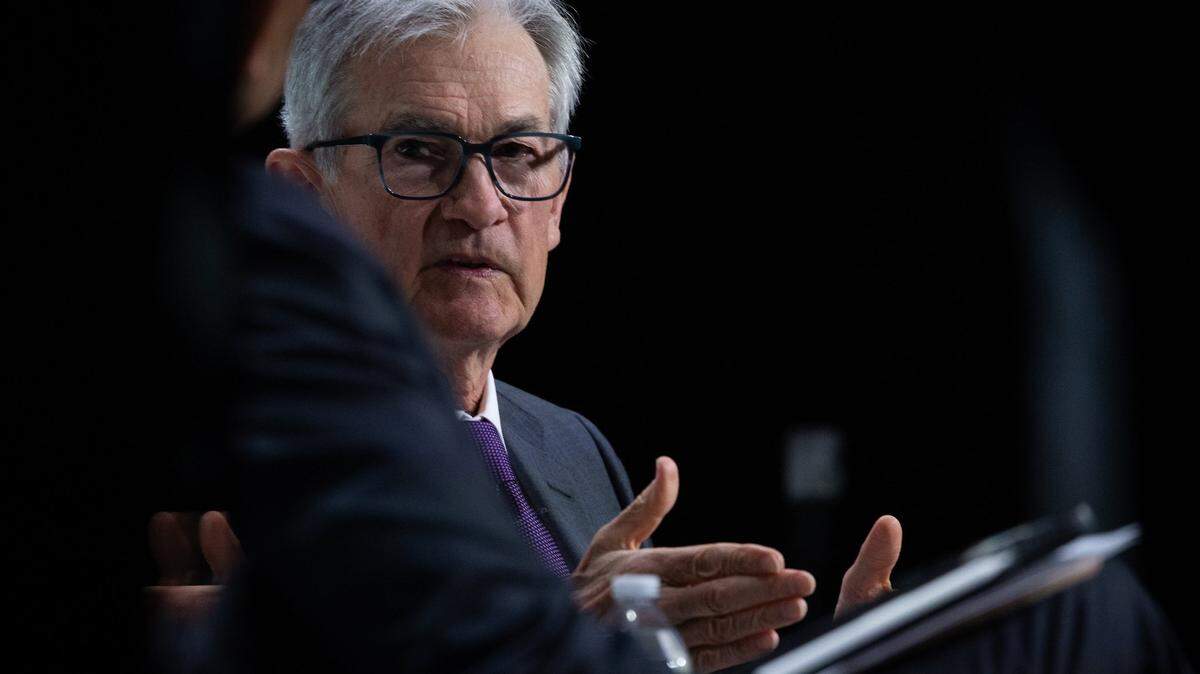
Fed Chairman Jerome Powell emphasized the economy is in a period of uncertainty, so it’s difficult to predict what the Fed could do in the future on interest rates.
“The new administration is in the process of implementing substantial policy changes in four distinct areas: trade, immigration, fiscal policy and regulation,” he told a news conference.
“The tariff increases announced so far have been significantly larger than anticipated. All of these policies are still evolving, however, and their effects on the economy remain highly uncertain,” Powell said.
For Californians, that means more waiting to see if rates fall.
“There’s just so much uncertainty in the economy now,” said Matt Schulz, chief consumer finance analyst for LendingTree, which tracks interest rates.
Mortgage interest rates are down somewhat from January and even April levels. Freddie Mac, which also tracks interest rates, found the average rate on a 30-year loan last week was 6.76%.
Schulz predicted, “Rates are likely to stay in or around that range in the near future.”
The uncertainties have several roots. The most prominent is the rate of inflation. The Fed has been aiming for years to get the cost of living down to a 2% annual rate of increase.
It’s close. The personal consumption expenditures price index, the Fed’s preferred measure of inflation, was up at a 2.3% pace ending in March.
Wary of tariffs and uncertainty
But the tariffs imposed and proposed by President Donald Trump in recent weeks have the potential to drive prices up, many economists believe.
“The newly introduced tariffs are widely expected to raise the costs of imported goods, thereby fueling inflation at a time when growth is weakening,” said Sung Won Sohn, president of Los Angeles-based SS Economics.
Inflationary pressure, he said, “could erode real incomes and suppress consumer purchasing power.”
The economy contracted slightly in the first quarter of this year. Most of the activity came before the Trump tariffs took effect.
Should the economy slow further, the Fed could be inclined to lower interest rates — but doing so carries the risk of stoking inflation as more people buy goods and services, thus giving sellers incentives to raise prices.
Powell would not predict the future path of interest rates.
“If the large increases in tariffs that have been announced are sustained, they are likely to generate a rise in inflation, a slowdown in economic growth, and an increase in unemployment,” he said.
But he also stressed that’s very hard to predict. “The effects on inflation could be short-lived — reflecting a one-time shift in the price level. It is also possible that the inflationary effects could instead be more persistent,” Powell said.
What does it all mean?
For the California consumer, particularly prospective home buyers, all this means patience.
“With rates expected to remain volatile, pending sales may stay soft as the spring homebuying season begins,” said a statement from the California Association of Realtors.
The UCLA Anderson Forecast was similarly cautious. In its March report, it explained why future Fed actions will be crucial to the state’s housing market.
“The Federal Reserve is much less likely to lower the federal funds rate with the trend in consumer inflation moving away from their 2% target,” the report said. “This will increase the cost of funds for construction loans, and therefore the cost of new construction.”
The immediate future of other loan rates also remains uncertain.
Credit card interest rates could go up slightly in the next few months, Schulz said.
“Banks are nervous about all of the uncertainty in the economy and what it means for consumers. When that happens, banks try to minimize risk as much as possible, and one of the ways they do that is to raise interest rates on credit cards,” he explained.
Schulz predicted no major increase, but added, “I do expect a slight upward trend in the near future, barring an earlier-than-expected rate cut from the Fed.”
He did see auto loan rates, which have been going up this year, as continuing to rise.
“The last thing car shoppers need is higher rates, but that may be what’s ahead, unless the Fed acts,” Schulz said.
This story was originally published May 7, 2025 at 11:23 AM.
.jpg)