What should I do during CA tsunami warning? Follow these tips to stay safe
When a massive earthquake hits, the shifting seafloor can trigger a series of large, powerful waves.
Coastal California residents were ordered to evacuate Tuesday, July 29, following a huge undersea quake off Russia’s eastern coast — prompting a flurry of social media queries about what to expect, and what to do next to keep safe.
“All tsunamis are potentially dangerous, even though they may not damage every coastline they strike,” the National Weather Service said in an X post.
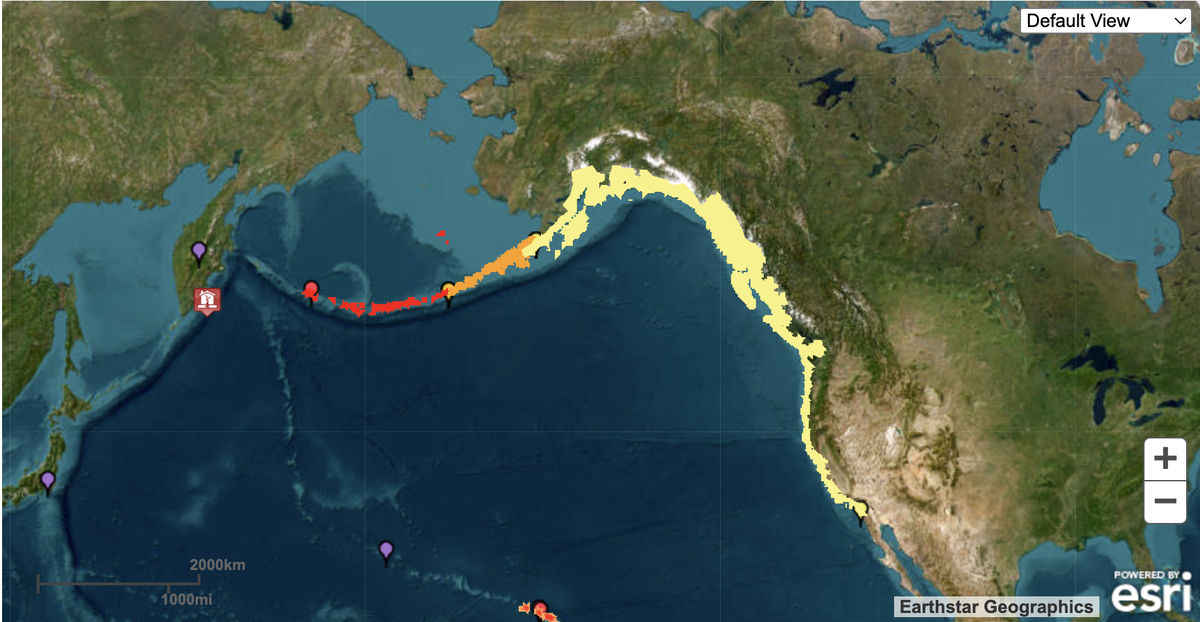
The National Weather Service issued a tsunami watch on Tuesday for much of the West Coast — including coastal areas of California, Oregon, Washington, Alaska and British Columbia in Canada — in response to the magnitude 8.8 quake west of the Aleutian Islands, off Russia’s Kamchatka Peninsula.
The weather service then issued a tsunami advisory for much of the California coast, including parts of San Luis Obispo and Santa Barbara counties, warning of a tsunami “capable of producing strong currents that may be hazardous to swimmers, boats and coastal structures.” That advisory was eventually canceled, the San Francisco Chronicle reported.
What makes tsunamis a public safety risk? And what should you do if one hits?
Here’s what to know:
When and where did Russia earthquake hit? How big was it?
The earthquake struck around 11:25 a.m. local time on Wednesday off the east coast of the Kamchatka Peninsula along the so-called Ring of Fire, a “zone of frequent earthquakes and volcanic eruptions” around the Pacific Ocean, according to the U.S. Geological Survey.
The quake was centered about 75 miles east-southeast of the Russian city of Petropavlovsk-Kamchatsky, the federal agency said.
According to the Geological Survey, the magnitude 8.8 earthquake was the “largest event to occur globally” since a magnitude 9.0 earthquake off Japan in 2011 caused a massive tsunami and meltdowns at a nuclear power plant.
Fears of devastating tsunami waves prompted evacuations and beach closures in parts of Japan, Hawaii and the West Coast, but did not appear to cause any major damage, The Associated Press and the BBC reported.
What is a tsunami? Why is it dangerous?
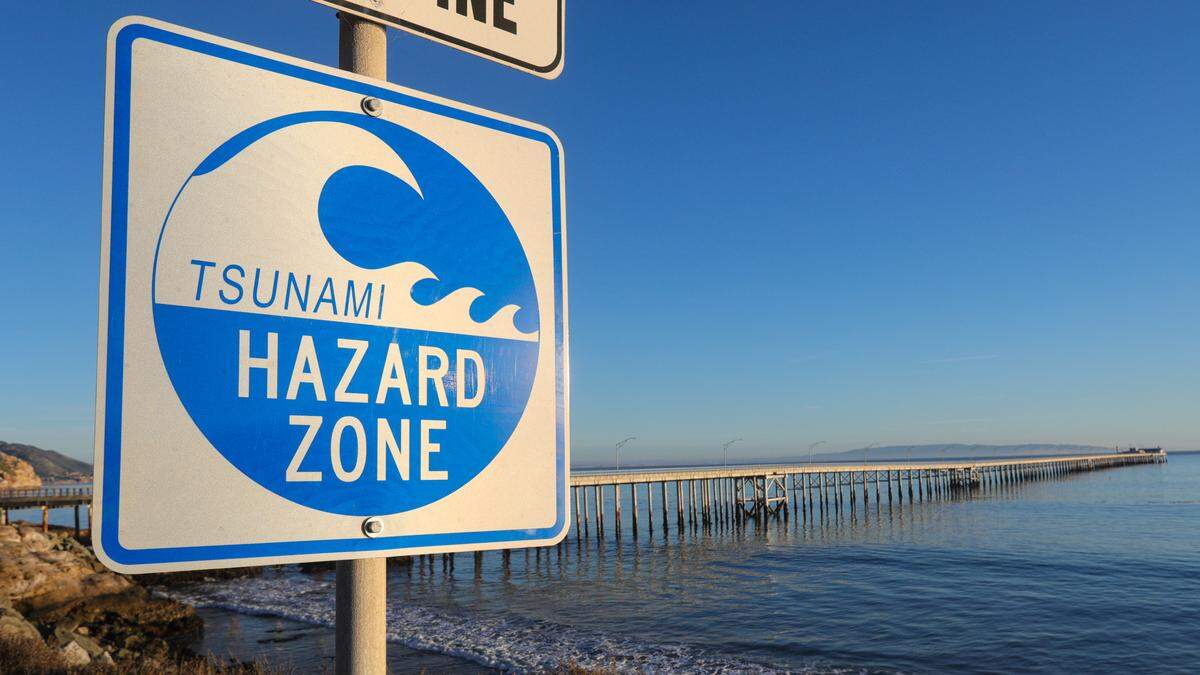
According to the National Oceanic and Atmospheric Administration, tsunamis are “giant waves caused by earthquakes or volcanic eruptions under the sea.”
“As the waves travel inland, they build up to higher and higher heights as the depth of the ocean decreases,” the federal agency explained. “In some cases, they can be 100 feet in height.”
Since a tsunami isn’t a single wave, but rather a series of waves, it can remain “dangerous for many hours” after it initially washes ashore, the NWS said. “The first wave may not be the largest.”
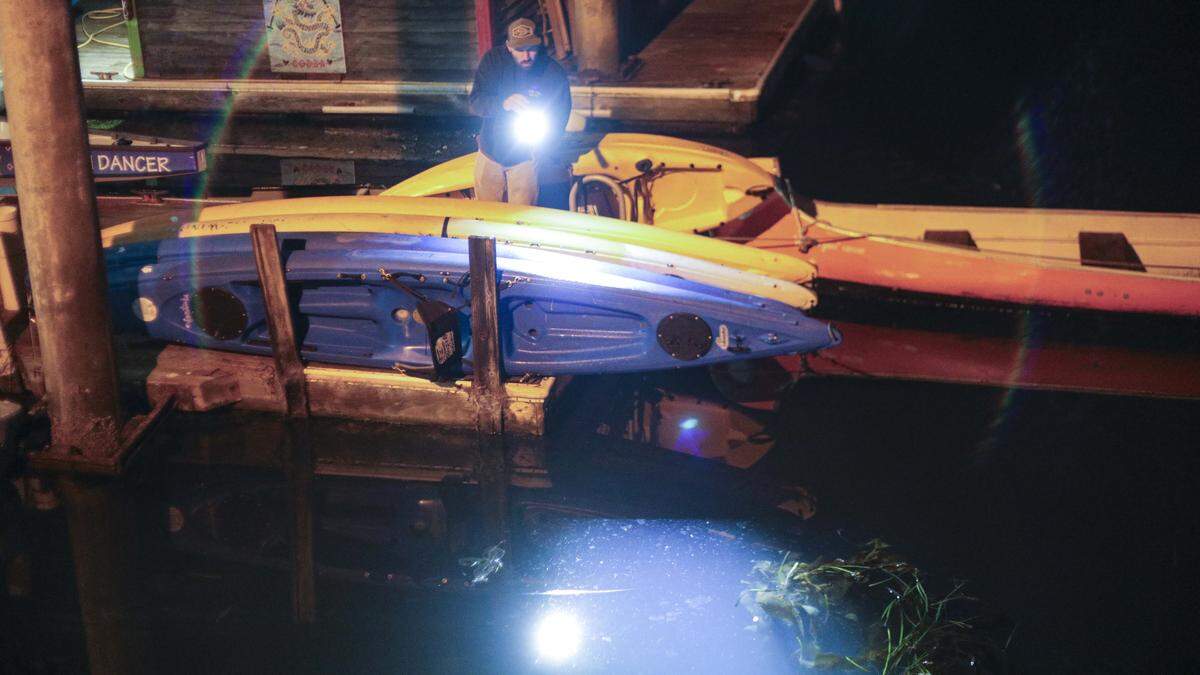
Surging waters can endanger swimmers and surfers and “cause boats and docks to detach from structures,” the weather service said in its tsunami advisory.
“Harbors and marinas are susceptible to fast-moving tsunami surges, similar to a rapid tide change,” the weather agency said via X. “Water flows may be come dangerous if caught in the ocean.”
What should I do during a tsunami warning?
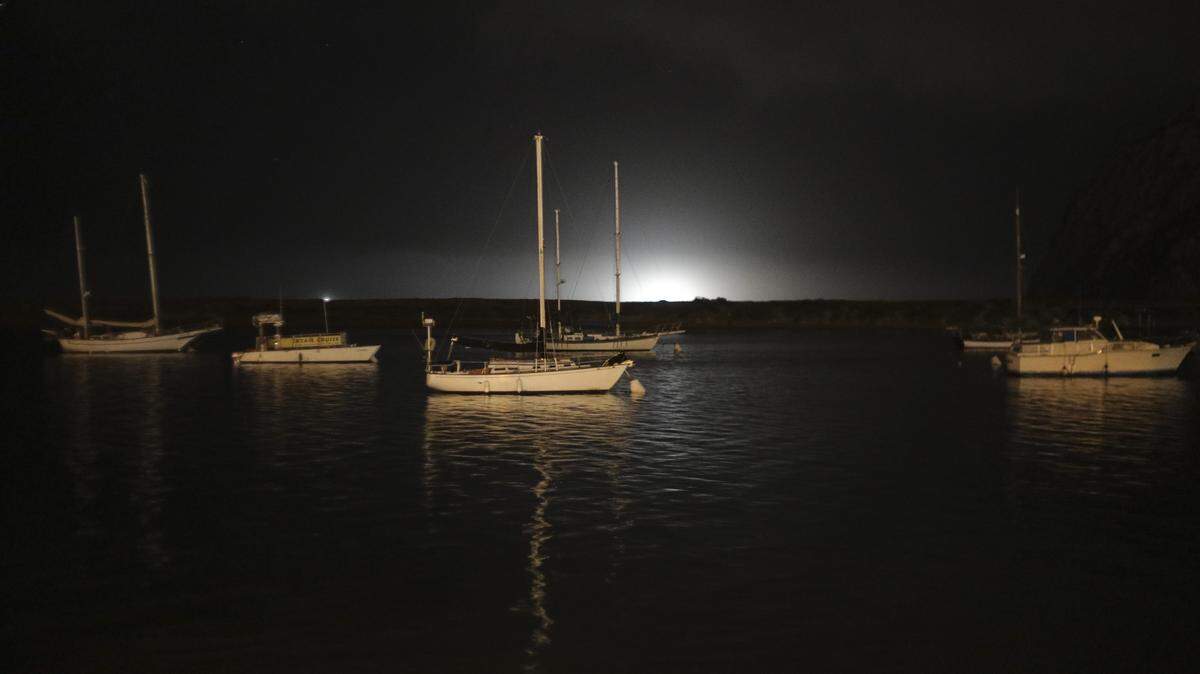
When tsunamis hit, the weather service said, “Boaters may need to leave (the) harbor and go to a depth of at least 50 to 1,000 fathoms.”
People on land, meanwhile, should “get off and away from the beach,” the weather agency said.
How to stay safe during a tsunami: Tips from weather experts
The National Weather Service offered tips for staying safe during a tsunami.
If you’re near the coast:
- Move off the beach and well away from the water’s edge.
- Stay out of the water and off rock jetties.
- Avoid harbor areas and marinas.
- Do not go to the beach to watch the tsunami.
- Be alert to instructions from local emergency officials.
This story was originally published July 30, 2025 at 1:41 PM.