
Endangered baby lemur born at California zoo. See the cute photos
AI-generated summary reviewed by our newsroom.
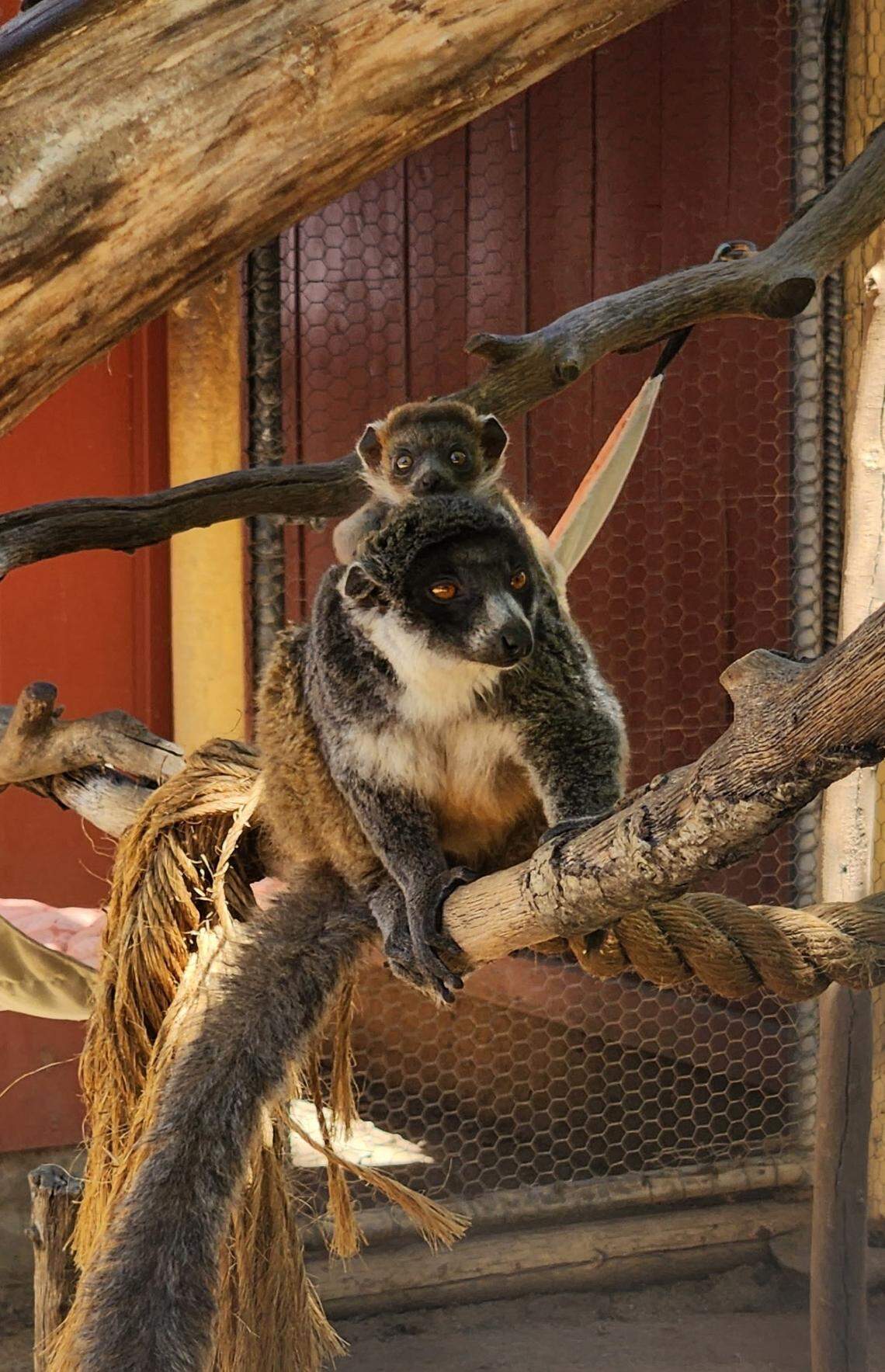
- Central Coast Zoo welcomed a critically endangered baby mongoose lemur July 4.
- Named Koba, the infant is developing on track and now viewable by the public.
- Zoo supports species survival plans amid ongoing habitat loss in Madagascar.
July 4 brought more than just patriotic celebrations in Atascadero this year.
A baby mongoose lemur — a critically endangered species — was born at the Central Coast Zoo in Atascadero on Independence Day, the zoo said in a news release Wednesday.
The baby was named Koba after a traditional peanut dessert in its native country of Madagascar, the release said.
At almost eight weeks old, Koba is beginning to explore their habitat and can now be seen by zoo visitors.

Early development of mongoose lemurs
At around five weeks, young lemurs begin eating solid foods, the release said. Their fruit-rich diet includes flowers, leaves and sometimes insects. Koba is expected to be fully weaned by five- or six-months-old, with close developmental monitoring from the zoo team.
The baby lemur’s sex is not yet known, but zookeepers will be able to determine it in the coming weeks as mongoose lemurs devlop distinct beard colors based on sex, the release said. Males have reddish-orange beards, while females remain white.
Does the baby lemur have any family at the Atascadero zoo?
Koba is not an only child. The baby joins older brother Ravi who was born at the zoo last year and was one of just three mongoose lemurs born in the country at the time, the release said.
Their parents, Ernesto and Camilla, are part of the Association of Zoos and Aquariums’ Mongoose Lemur Species Survival Plan.
With fewer than 2,000 individuals estimated remaining in the wild due to habitat loss and hunting, mongoose lemurs were labeled critically endangered and placed on the International Union for Conservation of Nature’s red list of threatened species.
Where do mongoose lemurs come from?
Mongoose lemurs are native to Madagascar, one of the world’s most unique ecosystems.
The island off the eastern coast of Africa is considered a biodiversity hotspot, home to thousands of species found nowhere else on Earth, the release said. However, the majority of Madagascar’s original forests have been lost, putting many species at risk.
The Central Coast Zoo focuses on animals from biodiversity hotspots — regions that cover only 2.5% of Earth’s surface but support nearly half of all known bird, mammal, reptile and amphibian species.
Close to 100 animal species representing 300 animals call the Central Coast Zoo home, including red pandas, monkeys, fossa, meerkats, parrots, a variety of reptiles and more.
How can I visit the baby mongoose lemur?
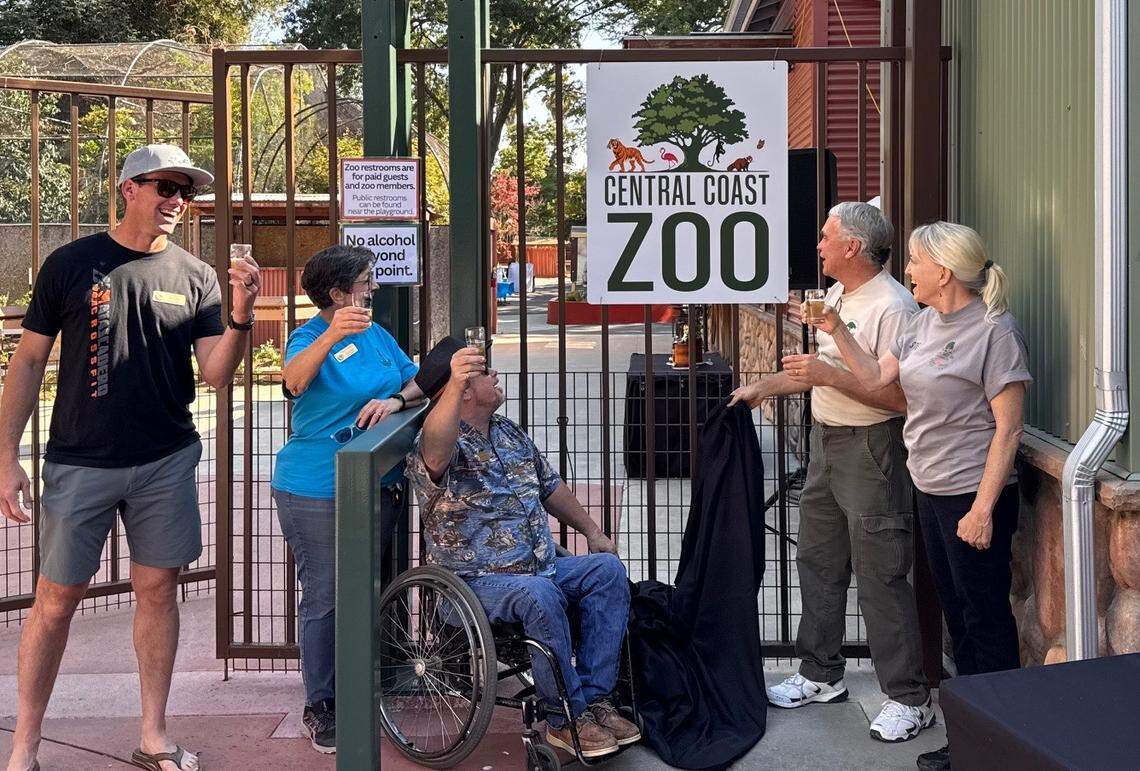
The Central Coast Zoo — which was renamed in June — will adopt new hours after Labor Day weekend.
Starting Sept. 2, the zoo will be open Thursdays through Mondays from 10 a.m. to 4 p.m. everyday, and closed on Tuesdays and Wednesdays during non-holiday weeks, the release said.
The zoo will remain open on most school holidays throughout the fall and winter, the release said.
To plan a visit, check the zoo’s updated calendar online at centralcoastzoo.org/zoo-hours.
The Central Coast Zoo is located at Atascadero Lake Park. For information, visit centralcoastzoo.org or call 805-461-5080.
This story was originally published August 27, 2025 at 9:50 AM with the headline "Endangered baby lemur born at California zoo. See the cute photos."
