What you need to know about invasive golden mussels in CA waters this Labor Day
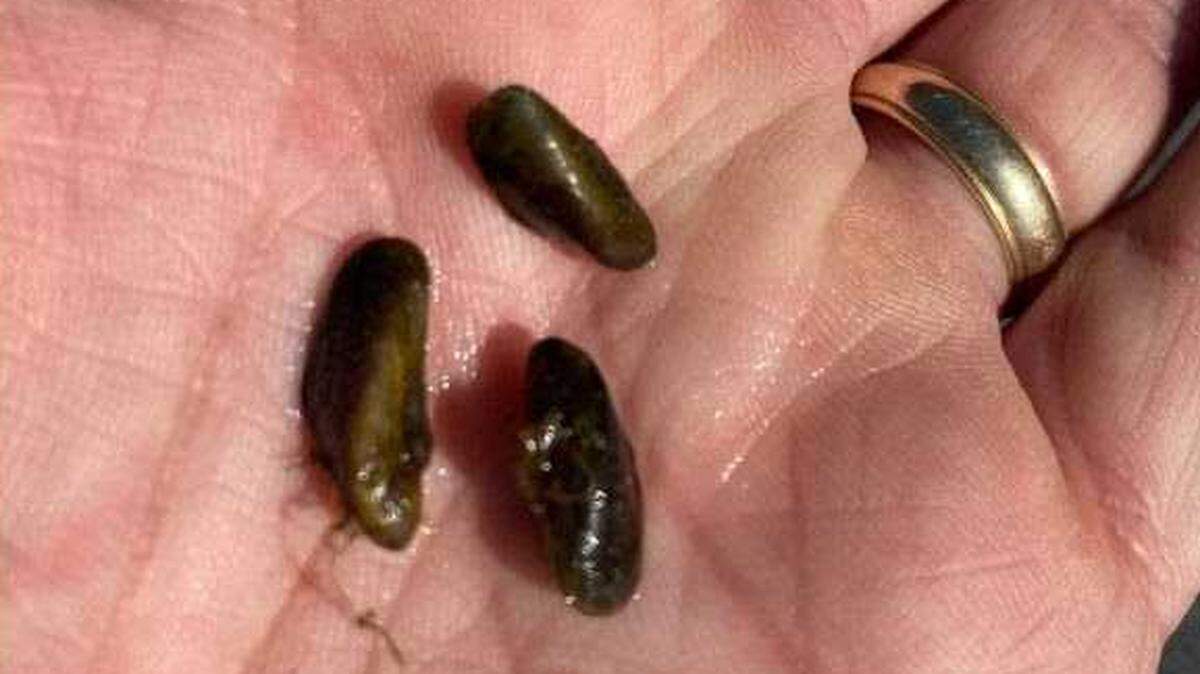
As highly-invasive golden mussels spread across California waterways, officials are urging boaters to take thorough precautions to avoid introducing the species to unaffected waters over the busy Labor Day weekend.
It’s also a good idea to contact the body of water you plan to visit to get the latest information before heading out there, according to the California Department of Fish and Wildlife.
Golden mussels, native to China and southeastern Asia, were first detected in California waters last fall in the Sacramento-San Joaquin Delta near Port of Stockton and have since spread over 350 miles through connected waterways, reaching as far south as Los Angeles County, the California Department of Water Resources and CDFW said.
The freshwater mollusks threaten the state’s water infrastructure by clogging pipes and power systems, and threaten aquatic ecosystems and habitats by outcompeting native species and contributing to algal blooms via filter feeding.
While golden mussels look similar to quagga and zebra mussels, their harmful effects can be worse because the species can live outside of water for over a week and “can establish in waters with wider temperature and salinity ranges,” officials said.
“They’re small, fast-spreading, and nearly impossible to remove once established. They encrust any hard surface: dock pilings, water intake pipes, boat hulls, and even beach rocks,” Keep Tahoe Blue, an organization dedicated to preserving Lake Tahoe, wrote on its website. “Their colonies are dense, sharp, and destructive. They can encrust, damage, and even cripple infrastructure like water pipes. They are filter feeders that concentrate nutrients which fuel algae growth and make harmful algal blooms — and unsafe water conditions — more likely.”
Here’s how boaters can help protect California waterways from the destructive species:
What boaters should know about golden mussels
It’s imperative that recreational boaters clean, drain and dry their boats before launching into a body of water, the California Department of Parks and Recreation said in an email.
The department advised that cleaning, draining and drying involves:
- Carefully inspecting the watercraft and all equipment.
- Cleaning off any mud, plants, fish or animals.
- Draining all water, including from the lower outboard unit, ballast, live-well, buckets, and anything else that holds water. (The golden mussels introduced to the delta likely came “from the ballast water of a ship,” the department said.)
- Let everything dry for at least five days in warm dry weather, 30 days in cool moist weather, or with a towel before your next boating trip.
- Throw out debris and any unwanted worms, bait and fish parts.
- Report any suspected invasive species to the CDFW and the local marina manager or harbormaster. Reports to CDFW can be submitted online at: Report an Invasive Species Sighting, by email Invasives@wildlife.ca.gov, or via hotline: 866-440-9530.
Not only can golden mussels threaten “the ecological health of all waters in the state, its water conveyance systems, infrastructure, and water quality,” — the species can damage boats too. Golden mussels attach to boat hulls and clog engines, which can drive up maintenance and repair costs.
“Once golden mussels are introduced to a body of water, they can easily become established,” the department said. “Golden mussels, in particular, have a wide environmental tolerance and currently, there is no viable way to eradicate them; therefore, prevention is key.”
Several recreational water spots now require inspection programs to stop the species from spreading to other waterways. So it’s a good idea for boaters to check out the launching rules regarding golden mussels with the water manager of whichever body of water they plan to visit.
Boaters can find a list of reservoir contacts and watercraft inspection information on the Division of Boating and Waterways’ website. Several of the reservoirs on the website have pages that describe fees associated with launching.
“Not all waterbodies do inspections; it is up to the individual waterbody to determine what they require,” CDFW said. “Those who do, may require a quarantine band, inspection, and/or decontamination.”
What risk do golden mussels pose to rivers and lakes?
Golden mussels were most recently discovered in California during boat inspections at Folsom Lake in Butte County and on a boat headed for Lake Tahoe in May.
That was way too close of a call for the advocates dedicated to preserving Lake Tahoe’s pristine blue waters, according to Laura Patten, natural resource director at Keep Tahoe Blue.
“Boats in the water are the number one pathway between lakes,” she told The Sacramento Bee. “That’s why decontamination and inspection exists and is so effective. When the golden mussel is knocking on the door of Lake Tahoe, it really underscores the need to decontaminate every vessel.”
That includes kayaks and paddleboards, not just powerboats, she said. Even anchors, waders, fishing gear, life jackets and floaties can introduce the species. There’s no cost at Tahoe’s inspection station to decontaminate a kayak or paddleboard, plus experts will educate you on how to do it, Patten said.
Lake Tahoe’s waters appear so clear and blue because of its oligotrophic properties, meaning it has low nutrient levels and isn’t productive in terms of plant and animal life, Patten said. The scarcity of nutrients keeps phytoplankton at bay, preserving the deep blue color.
Golden mussels are aggressive filter feeders that release nitrogen and phosphorus while filtering, which can contribute to algal blooms and degrade habitats for native fish and plants.
The presence of all those nutrients would knock the lake’s delicate ecology out of balance — and could shift the clear blue waters to a gunky green, she said.
“You can’t be too careful over busy weekends like Labor Day,” she said. “It’s up to all of us to prevent golden mussels from entering the lake. Once they’re in we can’t get them out.”