Death Valley hit with a quarter of its annual rainfall in one night, rangers say
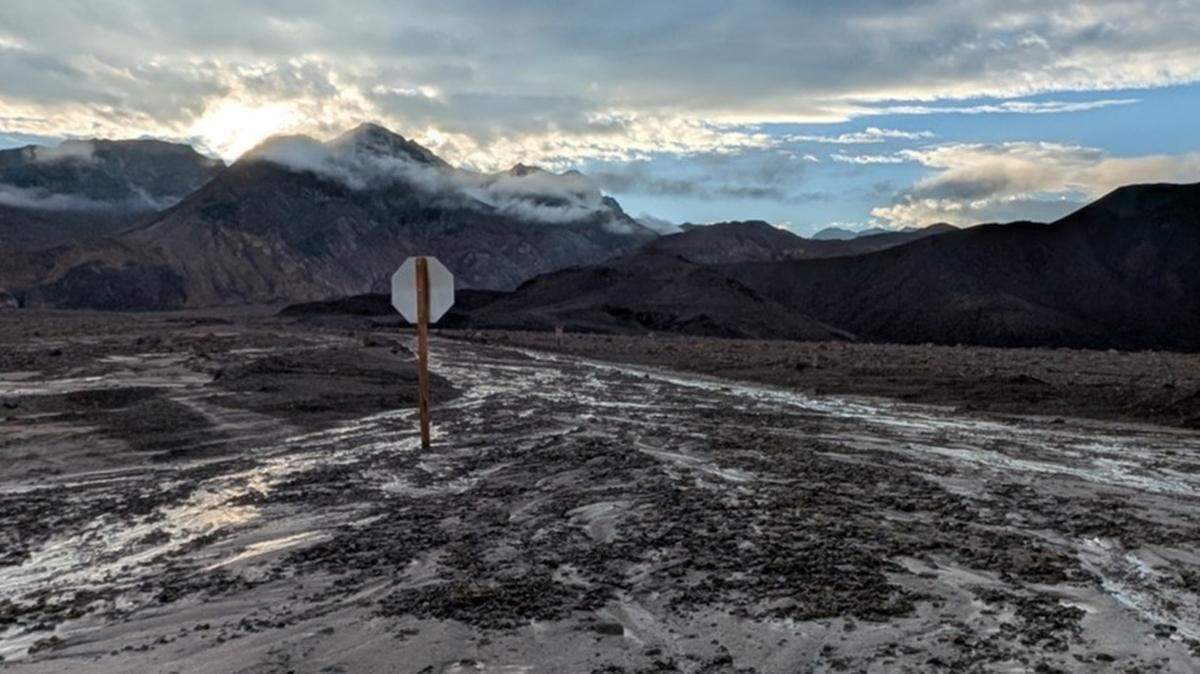
Death Valley saw a quarter of its annual rainfall in one night, prompting road closures throughout the park, officials say.
After the remnants of Tropical Storm Mario rolled through Death Valley National Park the night of Sept. 18, Furnace Creek, California, recorded 0.6 inches of rain, the National Park Service said in a news release.
Annually, the park sees less than 2 inches of rain, “a fraction of what most deserts receive,” according to NPS.
Typically, the park receives the most precipitation in February and the lowest in June, according to NPS precipitation averages.
Occasionally, thunderstorms can lead to flash floodings, “especially in late summer,” NPS said.
“The park’s rocky, steep terrain makes the area especially prone to flash flooding,” officials said. “Water runs off quickly rather than soaking into the ground, creating a slurry of water, mud, and rocks. These flash floods covered roads with debris and eroded road shoulders.”
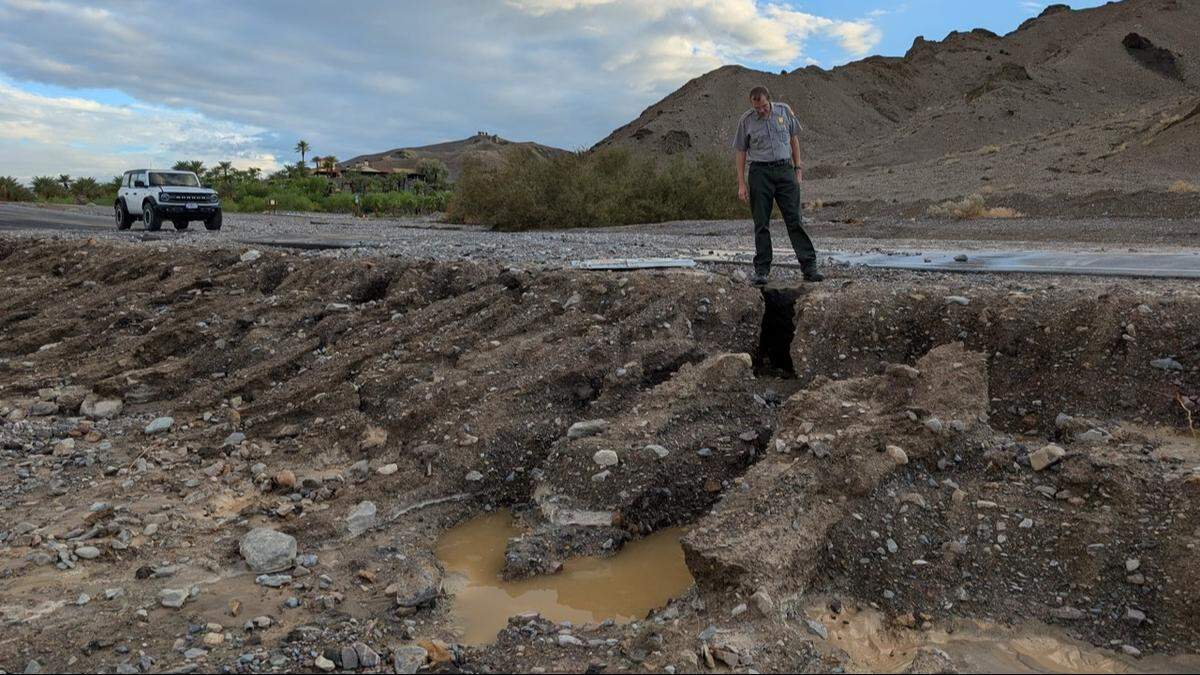
Multiple roads were closed from storm damage, including Badwater Road, North Highway, West Side Road, Twenty Mule Team Canyon, Cottonwood - Marble Roads, Mustard Canyon and Keane Wonder Mine Road.
However, the park’s main roads, CA-190, Daylight Pass and Dantes View, remained open to visitors, park officials said.
Additional road closures may be necessary as staff continues to assess conditions throughout the park, officials said.
Officials urged visitors to check conditions before traveling.
Death Valley National Park straddles the California–Nevada border.