Body found in orchard posed decades-long mystery, CA cops say. Now, some closure
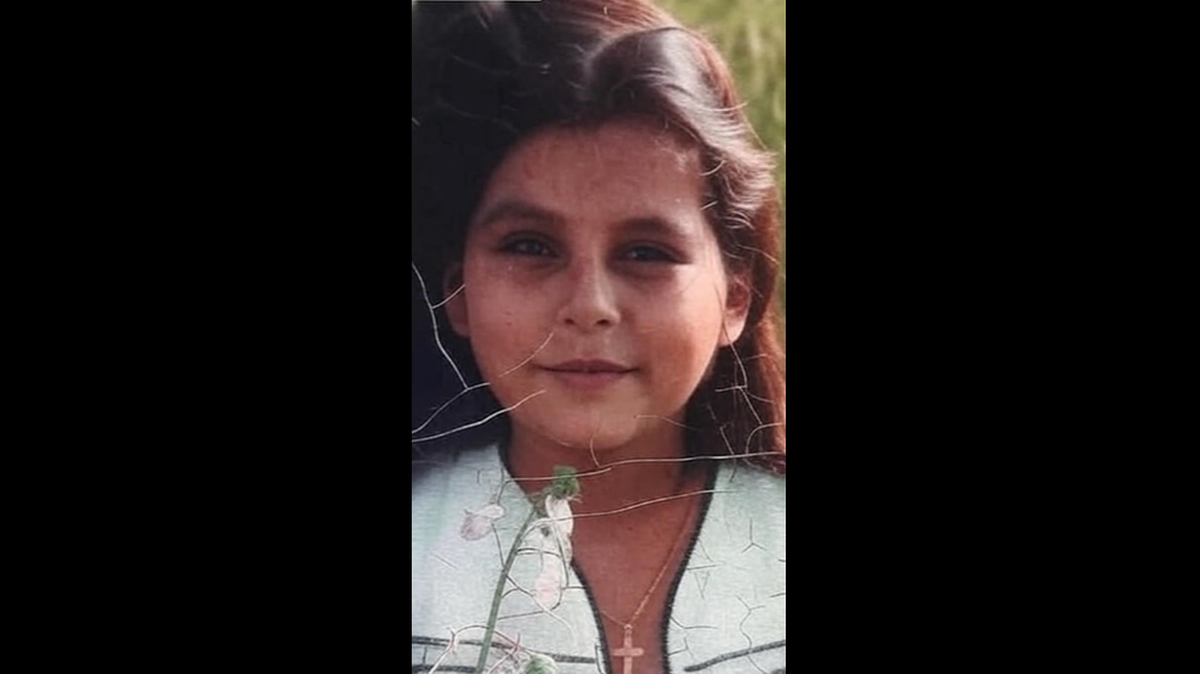
A woman was found dead in a California citrus orchard in 1981, posing a decades-long mystery.
Now, the woman’s family has some closure. With help from advanced DNA testing, she has been identified as Maria Belmontes Blancas, whose “family likely originated from Michoacán, Mexico,” the Ventura County Sheriff’s Office said in an Oct. 8 news release.
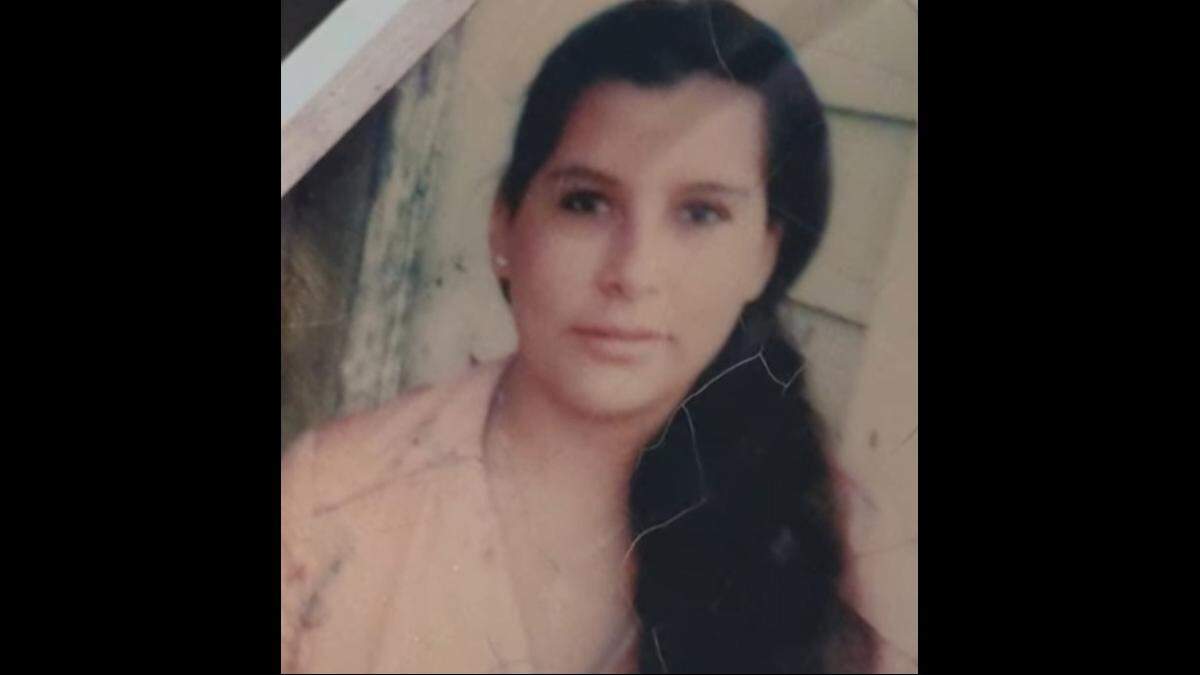
“After decades of uncertainty, Maria’s family - living in both the United States and Mexico finally received the answers they had long hoped for,” deputies said.
Few answers after body found
After the woman’s body was found in a citrus orchard near Piru on Jan. 27, 1981, investigators learned she had been shot multiple times, leading them to rule her death a homicide, according to deputies.
.jpeg "womanidd_fitted (2).jpeg")
Investigators determined the woman was between 20 and 25 years old, weighed about 195 pounds, and had brown eyes and hair, deputies said, adding that she was “wearing a plaid shirt, turquoise tank top, a skirt, and flip-flop style sandals.”
Despite an investigation, deputies said, “the case went cold.”
A new approach
Then, in 2023, deputies said their cold case unit took another look at the case, this time partnering with Redgrave Research Forensic Services, which specializes in forensic genetic genealogy.
Genetic genealogy uses DNA testing coupled with “traditional genealogical methods” to create “family history profiles,” according to the Library of Congress. With genealogical DNA testing, researchers can determine if and how people are biologically related.
Researchers traced the woman’s ancestry to several families spread across two states in southern Mexico, the company said in a news release.
Until the mid-1800s, researchers said “these families were heavily endogamous in their own communities,” meaning they only married within their own communities.
As the families resettled in small ranches, they began to mix, according to the company.
Few records are available, as “many civil and parish records were lost or destroyed during the Cristero War (1926-1929),” researchers said.
Some digitized records exist but are “unindexed, requiring the team to search through them manually and even index certain collections themselves,” the company said.
With high levels of endogamy in the area, many of the DNA matches made it look as if the woman was more closely related to others than she actually was, according to researchers.
So, the team said they took a fine-tooth comb to the women’s case, using “target testing, traditional genealogical research methods, and DNA segment analysis.”
Specifically, researchers said they looked more closely at a handful of ranches in the area.
Researchers started tracing the descendants of Tomas Blancas Garcia, who was born in 1890, and learned he had 15 children from two women between 1916 and 1945, the company said.
One of his daughters, Reynalda Blancas Aguilar, born in 1929, was identified as the woman’s possible mother, researchers said.
By interviewing family members, Araseli Ruiz-Acevedo, a sheriff’s office investigator, learned the woman had seven children, including a daughter who lives in the United States, the company said.
Possible sister found
Ruiz-Acevedo spoke with the woman and learned she had a sister, Maria, “who lived in the US — and no one had seen her since 1980,” researchers said.
.jpeg "womanidd_fitted (1).jpeg")
Her sister, who would have been 24 years old in 1981, moved to California in 1980; however, little about her time in the United States is known, including where she lived or who she may have lived with, according to researchers.
Ruiz-Acevedo got a DNA sample from one of the siblings in Arizona and compared it to that of the unknown woman, confirming her identity , the company said.
Though investigators now know the woman’s name, the sheriff’s office said her death remains a mystery.
“Maria was the victim of a violent crime, and her killer has never been identified,” deputies said.
An investigation into the case is ongoing, deputies said.
Anyone with information is asked to contact the sheriff’s office cold case unit at 805-383-8739.
“Together, we can bring justice for Maria Belmontes Blancas,” deputies said.
Piru is about a 50-mile drive northwest from Los Angeles.