It’s now illegal to declaw a cat in California. What to know about new pet laws
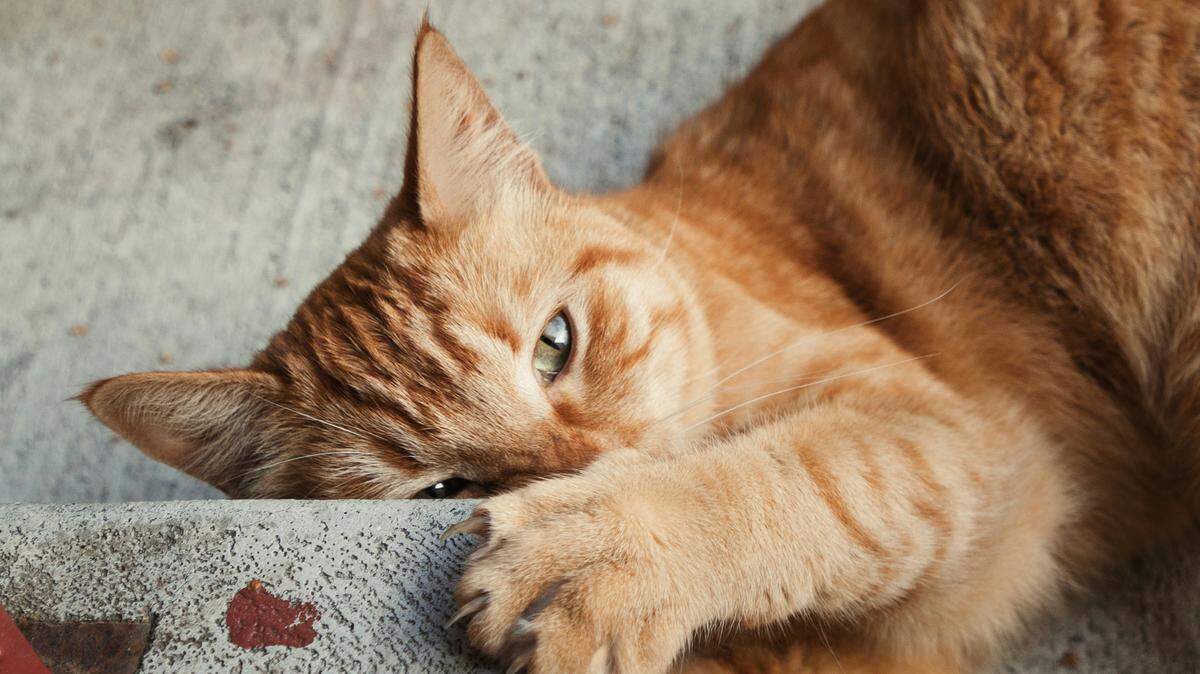
It is now illegal for veterinarians to declaw cats in California as a result of a new law banning the procedure.
The state officially outlawed the practice after Gov. Gavin Newsom signed Assembly Bill 867 into law, which bans “the performance of a tendonectomy, onychectomy, or any type of claw removal on a feline within the practice of veterinary medicine, surgery, and dentistry.... for any reason other than a therapeutic” or medically necessary purpose.
Newsom also signed two more laws that crack down on “the puppy mill pipeline,” his office said in an Oct. 9 news release.
Animal welfare advocates consider the measures “historic win(s) for animal protection and compassionate treatment,” according to KTLA.
What to know about California’s new claw law
Declawing a cat involves cutting and amputating the first joint of a cat’s paw — essentially removing the toe, according to the San Francisco SPCA.
“Often the surgery is misrepresented as ‘just removing the claws’ or as some variation of nail trimming,” the organization said.
The procedure prevents the cat from being able to extend their claws, and is usually done to prevent them from scratching people, other animals, or furniture. Lawmakers and animal advocates consider the practice “outdated and inhumane,” the Los Angeles Times reported.
In Defense of Animals, one of the groups that advocated for the ban for years, compared it “to amputating a human fingertip at the last joint” and said it often results in “lifelong pain” and suffering. The organization issued a statement celebrating the win.
“Declawing isn’t a nail trim, it’s a painful amputation that has no place in a compassionate society,” President of In Defense of Animals Dr. Marilyn Kroplick said in the statement. “Today’s victory proves California is leading the way in protecting cats and prioritizing their well-being over human convenience. We are proud to have empowered thousands of compassionate Californians to make their voices heard on this issue.”
Previous laws required a veterinarian to perform the surgery, the Los Angeles Times reported. The new law changes that — and allows for the California Veterinary Medical Board “to deny, revoke, or suspend a license or registration or assess a fine for performing those procedures for any reason other than a therapeutic purpose.”
What other states have claw laws?
California is now the largest state to ban declawing cats, joining New York, Maryland, Massachusetts, and Rhode Island, In Defense of Animals said.
Before the law, several California cities enacted local regulations banning declawing cats, “including Los Angeles, San Francisco, Berkeley, Burbank, Culver City, Santa Monica, Beverly Hills, and West Hollywood,” KTLA reported.
Nearly 40 countries have also banned the practice, NBC Bay Area reported.
“England, Turkey, Germany, Brazil, Norway, Sweden, Ireland, Switzerland, Italy, and Australia do not allow declawing; it is illegal,” the San Francisco SPCA’s statement said. “It is classified as ‘mutilation’ and considered inhumane.”
Does anyone oppose the ban?
The California Veterinary Medical Association, which represents about 7,000 registered veterinary professionals, opposed the measure in a statement, calling it “fundamentally unnecessary” because “the veterinary medical profession has appropriately regulated itself regarding this procedure over the years.”
Grant Miller, director of regulatory affairs at the association, said surveys show about 80% of veterinarians don’t declaw cats, the Los Angeles Times reported.
“When our veterinarians are telling us that they’re performing the procedure, it’s usually because the elderly patient is usually on chemotherapy, on a blood thinner ... and they can’t risk being scratched,” the outlet reported Miller said during a legislative hearing.
It also sets “a dangerous precedent” to limit the scope of the veterinary profession specifically, the organization said.
“The decision to declaw a cat should be made by the owner(s) in consultation with their veterinarian on a case-by-case basis and only for a medical reason or when scratching presents a health risk to the owner(s),” the organization said.
How is California cracking down on puppy mills?
Assembly Bill 506 and 519 focus on cracking down on “the puppy mill pipeline” by holding both pet sellers and small home breeders accountable, the governor’s office said in a news release.
Because “80% of sponsored pet ads” can be fake, AB 506 requires pet sellers to provide information about the pet’s origin and health information, the release said.
“The legislation also voids contracts that include non-refundable deposits, which all too often result in a bait-and-switch by committing hopeful pet parents to unhealthy pets – and feeds the puppy mill industry,” the release said.
AB 519 focuses on puppy mills that “pretend to be small home breeders by selling pets through brokers,” and bans them from using “third-party pet brokers, particularly online pet brokers, from selling cats, puppies, and rabbits bred by others for profit in California,” the release said.
Senate Bill 312 also “requires dog importers to submit health certificates electronically to the California Department of Food & Agriculture (CDFA) within 10 days of shipment, and requires CDFA to provide those certificates upon request,” the release said.