
What are the rules for private roadside memorials in California? What to know
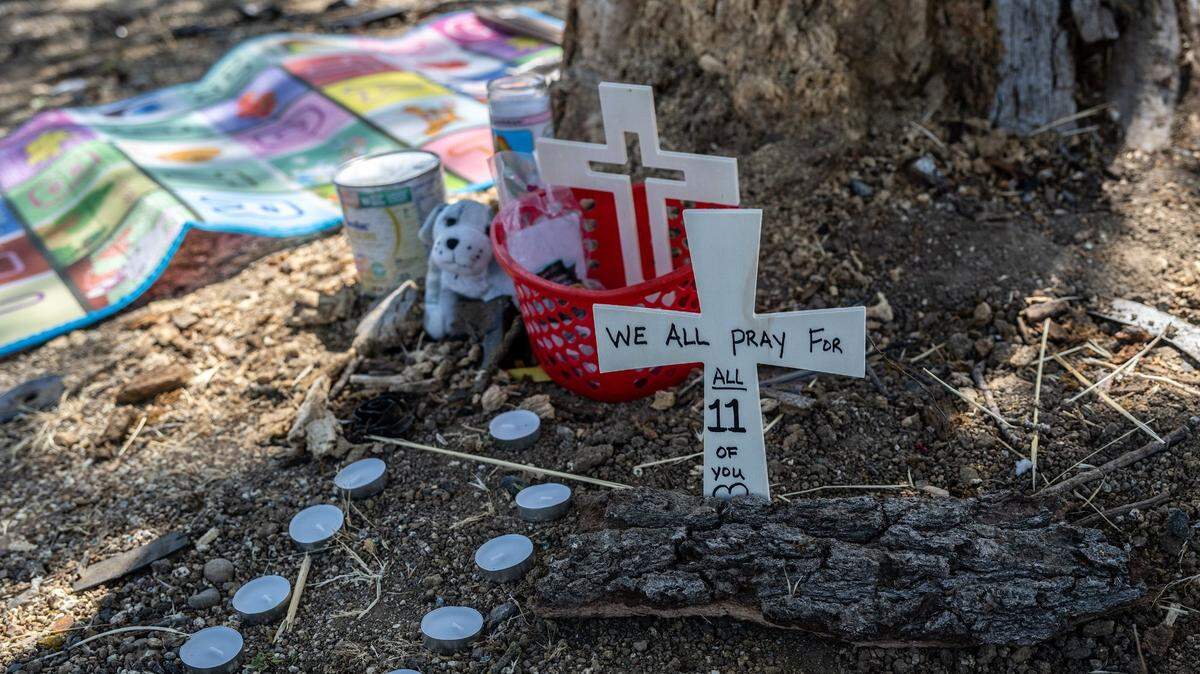
Displays of wreaths, crosses, flowers, photos, candles and other memorials to victims of fatal traffic crashes are a common sight along California streets.
But are they legal? It depends on the jurisdiction.
Memorials are intended to express “respect and sympathy” for accident victims, the city of Elk Grove said in its official policy on the practice.
But memorials can become traffic or pedestrian hazards, the city said. They’re generally made of perishable items, like flowers, plants and cardboard. So, the city — like many places — sets a time limit.
Here’s what to know:
Are private memorials allowed along highways?
The California Department of Transportation discourages memorials along highways.
“It is Caltrans’ practice to remove wreaths, crosses, flowers, etc., within the state highway right-of-way to prevent these from being motorist distractions,” the agency said.
Families of drunken driving collision victims can apply to the department to erect a sign reading “Please Don’t Drink and Drive” with the name of the deceased, however.
The collision must have been caused by drugs or alcohol, and only immediate family members of the deceased can apply. If approved, the applicant must pay a $1,000 fee.
Caltrans will erect and maintain the sign for seven years.
What are the rules for private memorials along surface streets?
Many cities and counties in California don’t have formal written policies on roadside memorials.
Some, like Elk Grove and Roseville in the Sacramento area, allow private memorials that don’t pose a traffic hazard for a limited time, 30 and 45 days respectively.
The city of San Rafael in the Bay Area has a similar policy allowing small private memorials that don’t obstruct sidewalks or traffic for 30 days.
El Dorado County, east of Sacramento, sends a letter to creators of unauthorized displays asking for their removal within 30 days and informing them of a memorial sign program.
Families can pay $265 to have a roadside memorial sign erected for one year, the county said.
Unauthorized memorials will be removed after 30 days or if the family cannot be contacted.
This story was originally published January 6, 2026 at 1:26 PM.