Will California see more rain or warm weather this spring? What experts predict
California’s run of cold, rainy winter weather could soon come to an end.
Weather experts say the Golden State is heading toward a warmer and drier pattern in the months ahead.
The National Oceanic and Atmospheric Administration’s Climate Prediction Center projects above-normal temperatures across California, from March through May.
However, that doesn’t mean storms are completely off the table.
“It is still possible to see some storms,” Johnna Infanti, a meteorologist with NOAA’s Climate Prediction Center, said. “A below normal forecast for precipitation does not mean that there will be no rain, just that it may be overall below normal for the three-month period.”
How warm could spring get in California — and when could there be more rain?
Here’s what experts predict:
When is the first day of spring in 2026?
The vernal equinox marks the official start of spring in the Northern Hemisphere, according to the Old Farmer’s Almanac.
“In the Northern Hemisphere, the spring equinox (also called the March equinox or vernal equinox across the globe) occurs when the Sun crosses the celestial equator going south to north,” the Old Farmer’s Almanac said.
In 2026, the first day of spring lands on Friday, March 20.
While the Northern Hemisphere welcomes spring, the Southern Hemisphere experiences autumn.
“On the March equinox, the Northern Hemisphere and Southern Hemisphere receive roughly equal amounts of sunlight; neither hemisphere is tilted more toward or away from the Sun than the other,” the Old Farmer’s Almanac said.
After the winter solstice in December, daylight has been gradually increasing each day. The spring equinox marks the point there is more daylight than darkness.
“The amount of daylight each day will continue to increase until the summer solstice (in June), when the longest period of daylight occurs,” the Old Farmer’s Almanac said.
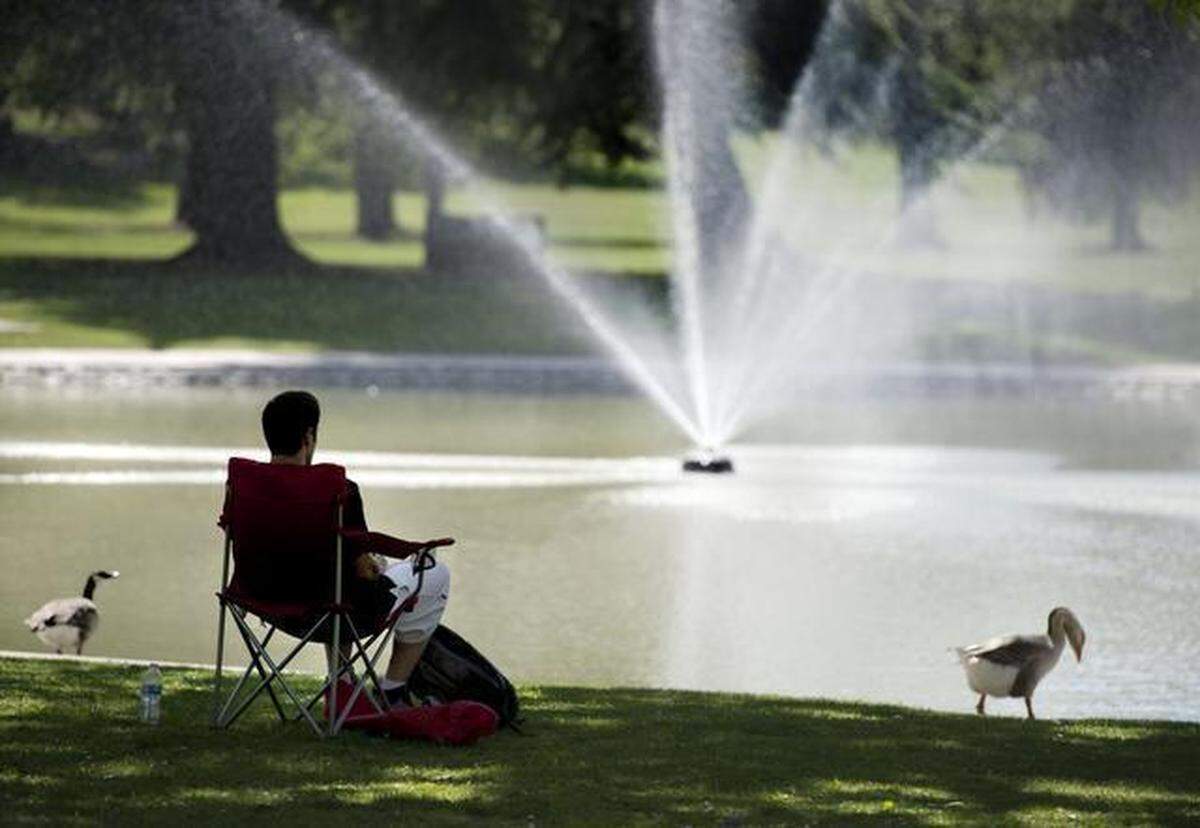
Will California see more rain this spring?
The outlook for precipitation in California this spring — from February through May — varies across the state.
“For precipitation, equal chances of above, near, and below normal precipitation is favored for the most northern part of the state,” Infanti said.
The central region has a 33% to 40% chance of below-normal precipitation, while the southern portion has a 40% to 50% chance of receiving less rain than usual.
“Normal” is based on average February through April temperatures and precipitation from 1991 to 2020, Infanti said.
“Outlooks indicate the chance that temperature or precipitation may fall into the upper or lower third of the historical distribution,” Infanti said.
While total rainfall might be below average, Infanti said, this doesn’t mean that the spring will be completely dry.
“There can still be, and likely will be, periods of rainfall within the season,” Infanti said. “But this means that the total amount of precipitation may not be enough to reach the typical seasonal averages.”
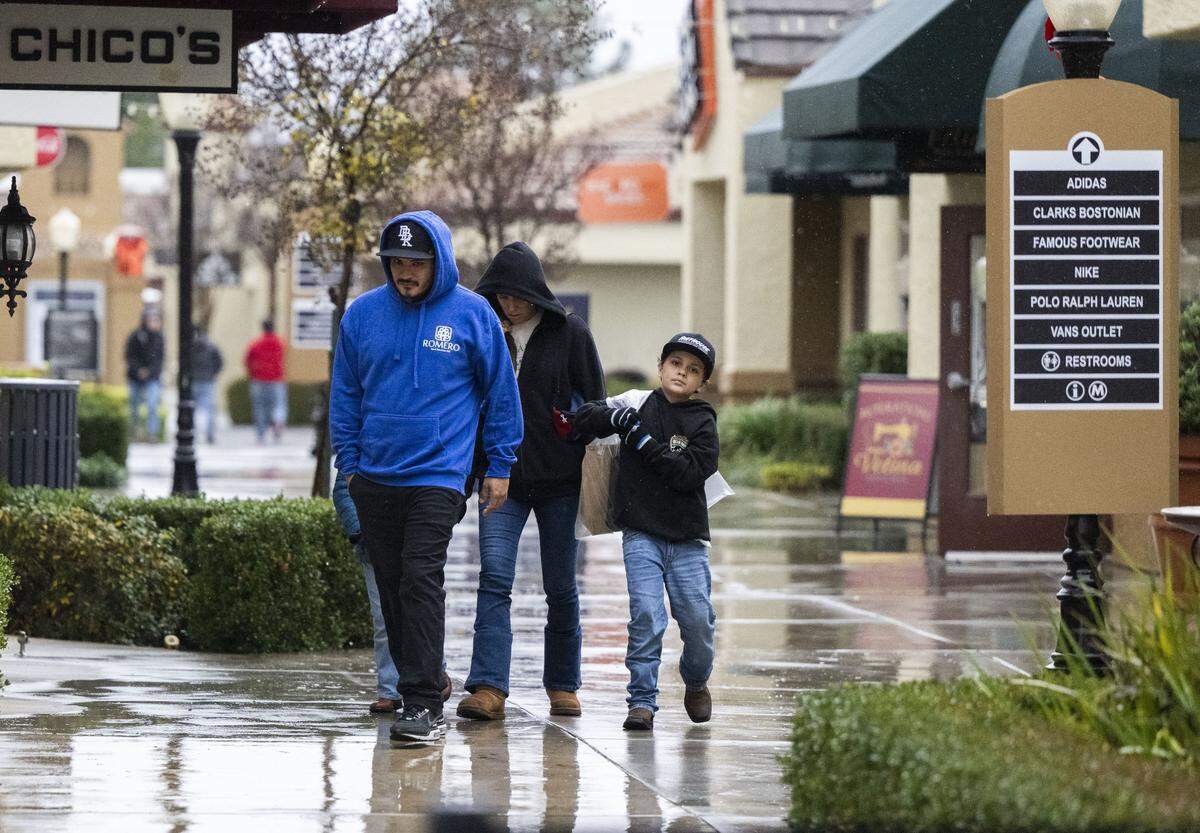
Will La Niña continue to affect California?
La Niña conditions are currently in place, but forecasts suggest they may start to fade, potentially shifting to neutral conditions in early 2026, according to the National Oceanic and Atmospheric Administration’s Climate Prediction Center.
La Niña is a cooling of the ocean surface in the central and eastern tropical Pacific Ocean.
“Over Indonesia, rainfall tends to increase while rainfall decreases over the central tropical Pacific Ocean,” the weather agency said.
La Niña typically brings warmer, drier conditions to the southern portions of the United States — including California — and cooler, wetter conditions to the Pacific Northwest, Infanti said.
However, every La Niña is different, and its effects can vary depending on how far north or south the wetter or drier conditions reach, according to NOAA.
“We expect some lingering impacts of La Niña through February, March and April, but these impacts become more muddled in the following season of March, April and May,” Infanti said.
For this spring, most outlooks point to warmer and drier weather across much of California.
For short-term forecasts, including chances of heavy rainfall, Infanti said to check the weather agency’s eight to 14 Day U.S. Hazards Outlook.
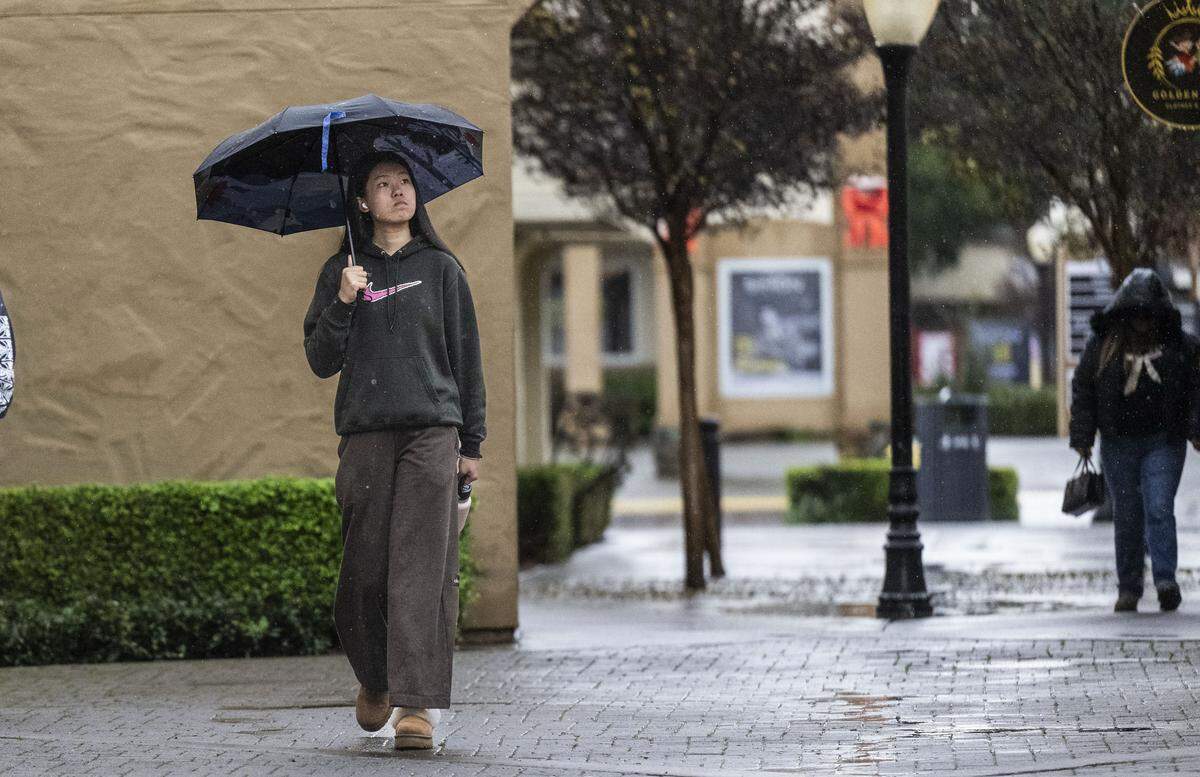
What is spring weather forecast for California in 2026?
Outlooks for California this spring show a higher chance of warmer-than-average temperatures across much of the state.
“Over California, we see 33% to 40% chances of above normal temperatures over the northern parts of the state, and 40% to 50% chances of above normal temperatures over the southern two-thirds of the state,” Infanti said.
Current forecasts show the probabilities of above-normal temperatures, from February through May.
“Though note the probabilities range from 33% to 40% and 40% to 50% depending on region and season, which are the two lowest probability categories, so we are leaning toward warmer than average temperatures,” Infanti said.
This story was originally published January 20, 2026 at 5:00 AM.