
How does California regulate e-bikes, electric scooters? What to know
A Sacramento-area school district is crediting a ban on higher-powered electric bicycles for reducing e-bike collisions involving children under 15.
The Rocklin Unified School district passed the ban on e-bikes on elementary and middle school campuses in December, The Sacramento Bee reported. The ban took effect Feb. 2.
Here’s what to know about California laws covering e-bikes and electric scooters:
What are California’s rules on e-bikes?
California laws divide electric bicycles, or e-bikes, into three classes, CalBike said.
The first class are e-bikes that provide motorized assistance only while the rider pedals and stop assisting when the bicycle reaches 20 mph.
The second operates by a throttle instead of pedaling but also tops out at 20 mph.
The third class provides motorized assistance while pedaling with a top speed of 28 mph.
There are no age limits on the first two classes, but riders must be at least 16 years old to ride the third class of e-bikes, CalBikes said.
Riders under 18 years of age are required to wear helmets on any kind of e-bike.
Passengers are allowed on any class of e-bike equipped for carrying passengers, but also must wear helmets.
What are California’s rules on electric scooters?
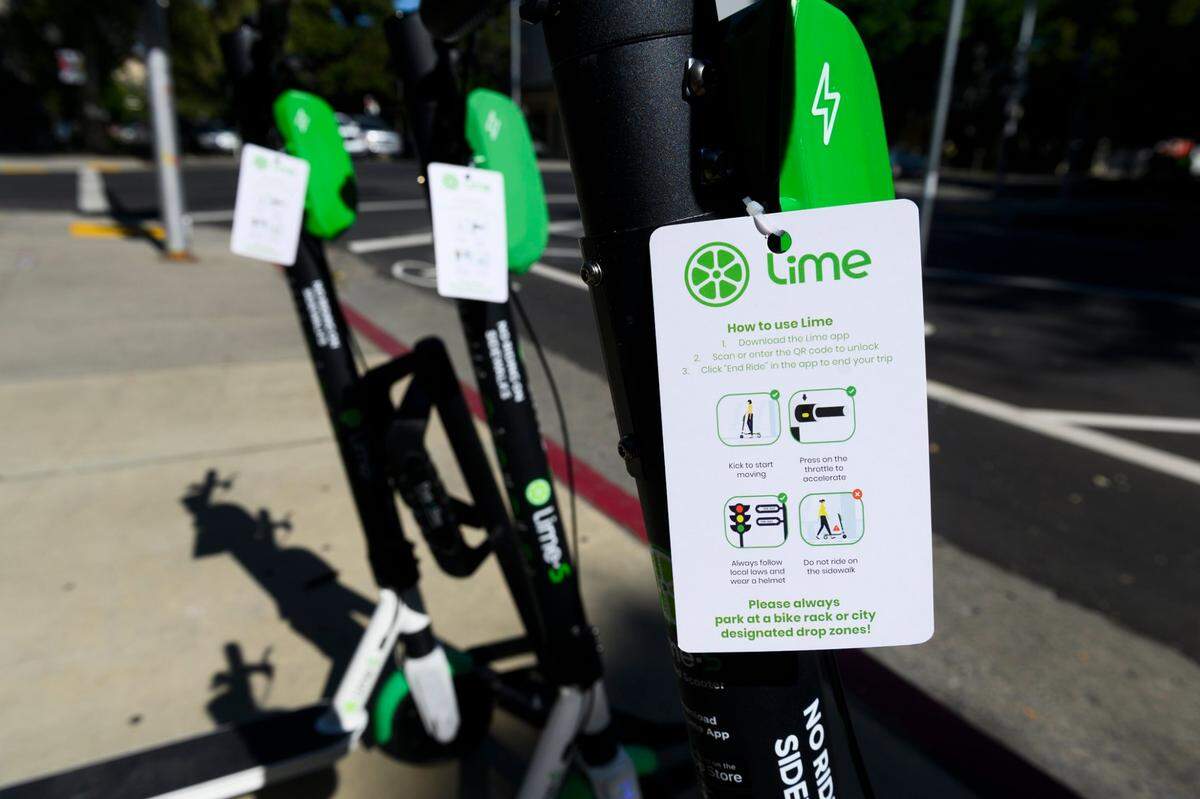
The state defines motorized scooters as having two wheels, a motor, handlebars, and a floorboard that you can stand on while riding, the Department of Motor Vehicles said.
Scooters can only be ridden on a bicycle path, trail or bikeway, but not on sidewalks. And they are limited to 15 mph.
You must have a driver’s license or learner’s permit to drive an electric scooter, which requires you to be at least 16 years old.
This story was originally published March 5, 2026 at 2:58 PM.