Allergy season ‘is already ramping up’ in California. What to expect in 2026
Spring brings warmer weather, outdoor fun and blooming flowers — but for many, it also means sneezing, itchy eyes and allergy medication.
Pollen allergies are getting worse across the country, according to the Asthma and Allergy Foundation of America’s 2026 “Allergy Capitals: The Most Challenging Places to Live with Allergies” report.
“If you think pollen allergies are getting worse, you’re not wrong,” the foundation said in its March report. “Longer, more intense pollen seasons caused by the impact of climate change mean allergy symptoms hit harder and last longer.”
AccuWeather’s annual allergy forecast, released March 4, shows that pollen “is already ramping up” across the South and West, including California.
Here’s when pollen levels will peak, which regions will be hit hardest in 2026 and the most effective treatments:
How weather affects allergy season
Recent weather patterns have likely contributed to higher pollen levels in California, according to allergy experts.
Recent storms brought heavy rain, mountain snow, strong winds and colder temperatures across the state.
“These wet spells can make plants grow faster and bloom earlier because the extra rain and warmer weather encourage vegetation, which often leads to more pollen in the air,” the Asthma and Allergy Foundation of America said.
A heatwave is on the way for much of the West, including California, according to the National Weather Service.
This can worsen allergy conditions.
While heavy rain can temporarily wash pollen out of the air, AccuWeather said, “a few dry days afterward often lead to a sharp spike” in pollen.
Warmer temperatures can also increase both the amount of pollen released by trees and its allergenicity — the strength of the allergic response it triggers — compared with recent years, experts said.
What are common allergy symptoms?
Allergens can affect different parts of the body, according to Mayo Clinic
“The symptoms can affect the airways; sinuses and nasal passages; skin and digestive system,” the Mayo Clinic said. “Allergic reactions can range from mild to severe.”
Here are the most common symptoms caused by pollen, according to the Mayo Clinic:
- Runny, itchy or stuffy nose
- Watery, itchy or red eyes
- Sneezing
- Coughing
- Postnasal drip — or mucus that goes down the back of your throat
- Tiredness and fatigue
What is causing my allergy symptoms?
For many people, tree pollen is the main cause of spring allergy symptoms, according to the Asthma and Allergy Foundation of America.
Some trees produce larger pollen grains that appear as a fine yellow dust on outdoor surfaces. This heavier pollen usually falls close to the tree.
Other trees release much smaller pollen particles that can’t be seen.
These particles are lightweight and easily carried by the wind — and they’re the type most likely to trigger allergies because they can enter the eyes, nose, mouth and airways.
The trees that cause the most allergy symptoms include:
- Alder
- Cottonwood
- Oak
- Ash
- Elm
- Olive
- Pecan
- Birch
- Maple
- Walnut
- Mulberry
- Willow
“It is the first pollen to appear each year in the United States,” the foundation said. “Over recent decades, trees have been producing more pollen.”
In California, trees release the most pollen between February and April.
According to AccuWeather, tree pollen season has already begun across the state.
“As temperatures rise, pollen levels will climb northward through spring,” Accuweather said.
Which California regions will be hit hardest by allergy season?
Some parts of California are expected to see especially ”worse-than-average” allergy conditions this year, according to the Asthma and Allergy Foundation of America.
In its 2026 Allergy Capitals report, the foundation ranked San Diego as the second most challenging place in the country to live with pollen allergies, with a score of 99.63 out of 100.
Experts say the ranking is driven by spikes in grass and weed pollen, along with longer pollen seasons. Tree pollen peaked earlier than usual, while grass pollen started earlier and lasted longer.
Meanwhile, weed pollen levels were higher and stretched across more days.
The foundation ranked San Francisco No. 11 on its list of the worst cities for allergy sufferers, with a score of 93.68.
According to the foundation, overall pollen levels in both cities are expected to be “worse than average” this year.
How to avoid allergy exposure during peak pollen days
According to AccuWeather, managing seasonal allergies often comes down to planning ahead and reducing your exposure to pollen.
Experts recommend these steps:
- Limiting time outdoors in the morning and early afternoon, when pollen levels are usually highest.
- Changing clothes and showering after spending time outside to wash pollen off your skin and hair.
- Keeping windows closed on high-pollen days and use high-efficiency air filters indoors.
- Starting allergy medication early — before pollen levels peak — to help control symptoms.
What are the best medications to treat allergies?
There are over-the-counter and prescription medicines to treat or prevent allergy symptoms, according to the Asthma and Allergy Foundation of America.
“For seasonal allergies, start allergy medicines a couple weeks before your allergy season begins for best results,” the foundation said.
Common medications to take include:
- Antihistamines
- Corticosteroids
- Decongestants
- Epinephrine
When will allergy season end?
Grass pollen is the main cause of allergy symptoms in late spring and early summer — from April through early June, according to the Asthma and Allergy Foundation of America.
Since the pollen is light and carried by the wind, people can be exposed even if the grass near their home isn’t the source.
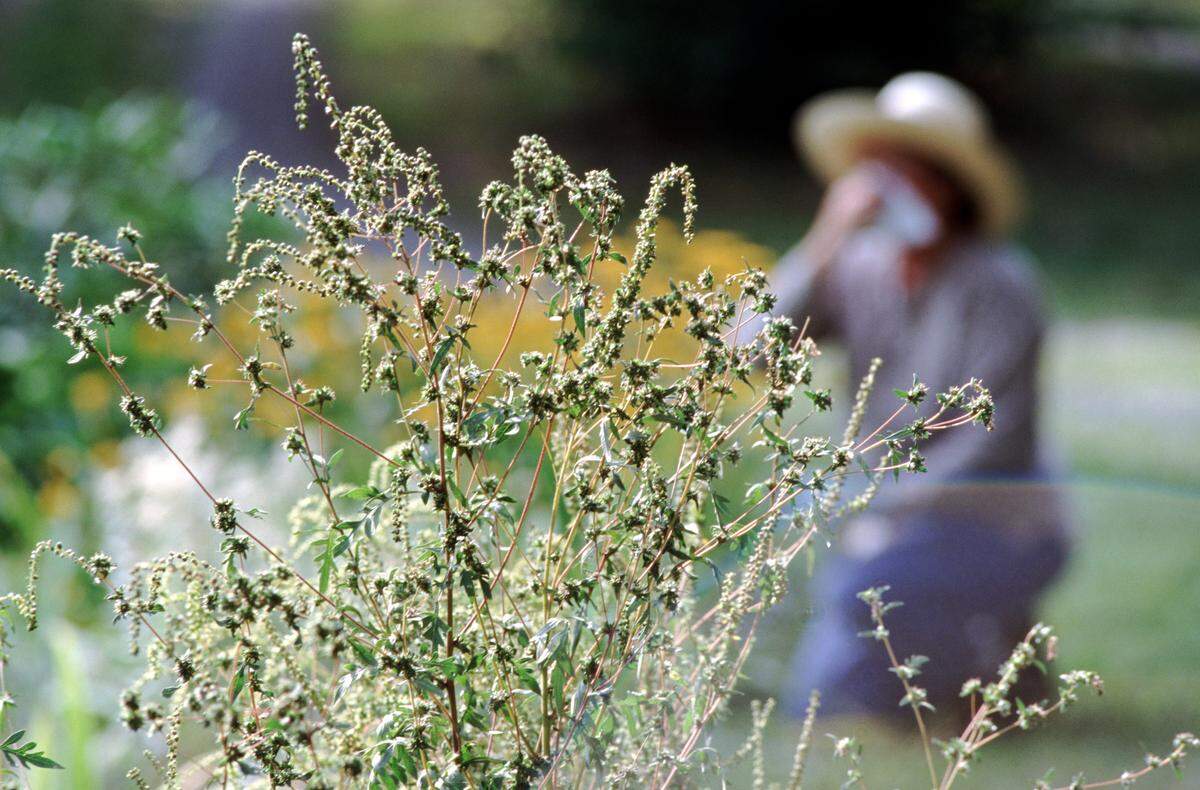
Weed pollen — especially ragweed — is another major allergy trigger, affecting about one in seven people, the foundation said.
Ragweed season typically begins in August and lasts six to 10 weeks, often peaking in mid-September and continuing until the first frost.