California mother reunited at border with daughter after deportation
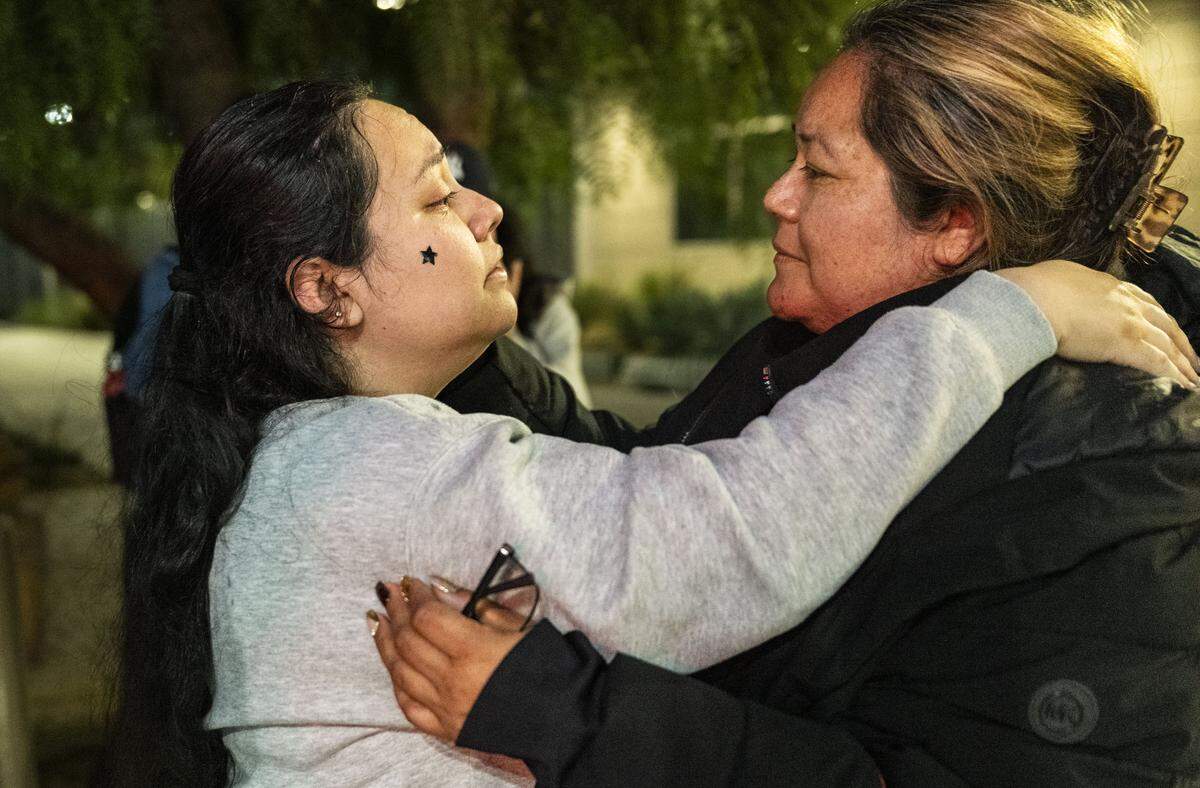
When her best friend finally appeared from the doorway, Damaris Bello didn’t say words. She simply opened her arms.
Maria de Jesus Estrada Juarez didn’t hesitate. Estrada Juarez collapsed into her daughter’s embrace. For the next 20 minutes, they exchanged many tears but few words – just a flurry of hugs and kisses, trying to make up for the time apart.
“I don’t have a life if she’s not with me,” Estrada Juarez, 42, said Monday night.
The emotional reunion unfolded outside the San Ysidro pedestrian crossing, seconds after Estrada Juarez returned to the U.S. with a humanitarian parole. Forty days earlier, Bello had watched immigration agents arrest her mother at a routine green card appointment in downtown Sacramento. Estrada Juarez was deported to Mexico by the next morning.
What followed was a weekslong, nationwide effort to bring back the 42-year-old mother, whose removal sparked outcry from federal, state and local officials, including in testimony at a U.S. Senate congressional hearing.
Last week, following a federal lawsuit against the Department of Homeland Security, a judge ordered the U.S. government to return Estrada Juarez in seven days. On Monday, the deadline, Immigration and Customs Enforcement finally granted her permission to reenter.
The move makes Estrada Juarez one of the few people to be allowed back into the country after a deportation during President Donald Trump’s second term, according to immigration experts. The government does not publish data on how often federal courts order such returns — and how often DHS complies.
“It’s almost impossible to get a person back in the country,” said Stephen Yale-Loehr, a retired professor of immigration law at Cornell Law School. “So this is a welcome, but rare court order.”
Even up until the last few minutes, Estrada Juarez’s return seemed uncertain. She was held in the San Ysidro Port of Entry pedestrian building for hours after others who crossed with her had already exited. Before then, Estrada Juarez had spent days anxiously awaiting updates from the government to facilitate her return.
All the while, Estrada Juarez and Bello longed to see each other.
The two have largely been on their own since Estrada Juarez separated from Bello’s father nearly 20 years ago. Until last month, their longest stretch apart came when Bello went on a multi-day field trip in seventh grade. Estrada Juarez drove to see her after one night.
“She’s my best friend,” Bello, 22, said.
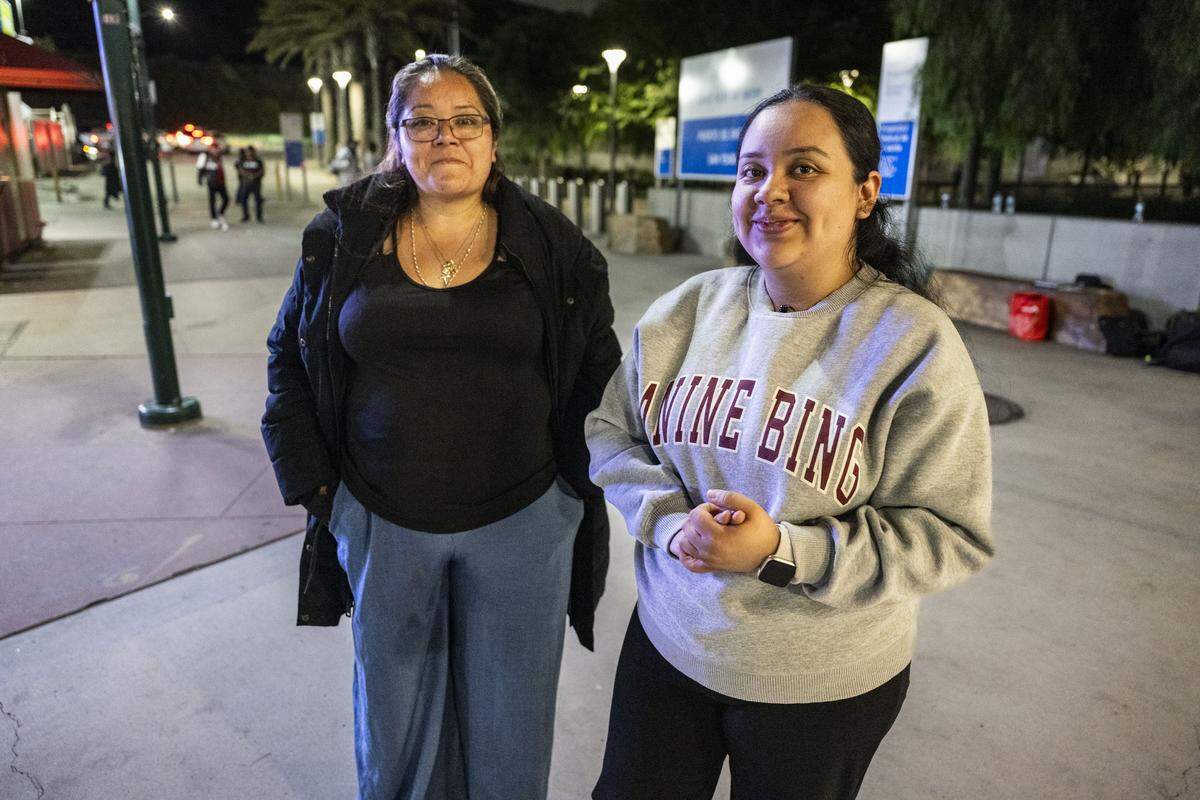
Their lives unraveled Feb. 18, when they attended the green card appointment in the U.S. Citizenship and Immigration Services field office in Sacramento.
Federal agents arrested Estrada Juarez less than an hour after she arrived. Within 24 hours, she was bussed to Tijuana, Mexico.
On Sunday, she returned to the border — this time planning to cross on her own.
Days earlier, U.S. District Judge Dena Coggins in Sacramento federal court had granted emergency relief, ordering the government to allow Estrada Juarez back into the country within the week. Coggins called her deportation a “flagrant violation” of constitutional due process rights and protections under Deferred Action for Childhood Arrivals, or DACA, which typically shields recipients from deportation if they arrived in the U.S. as children and have no criminal record. Estrada Juarez obtained DACA status in 2013.
DACA recipients have largely avoided the brunt of the Trump administration’s anti-immigration agenda. The president, who sought to end the program during his first term, has more recently said he would look for ways to spare the more than 500,000 recipients from deportation.
The Department of Homeland Security said in February that it deported 86 DACA recipients between Jan. 1 and Nov. 19, 2025. Before Estrada Juarez, there appears to be only one other case in which a recipient was allowed to return to the U.S., though that case did not involve a federal court order.
“I don’t know of any instances in which a court has ordered the government to facilitate the return of a DACA beneficiary,” said César Cuauhtémoc García Hernández, an immigration law professor at the Ohio State University.
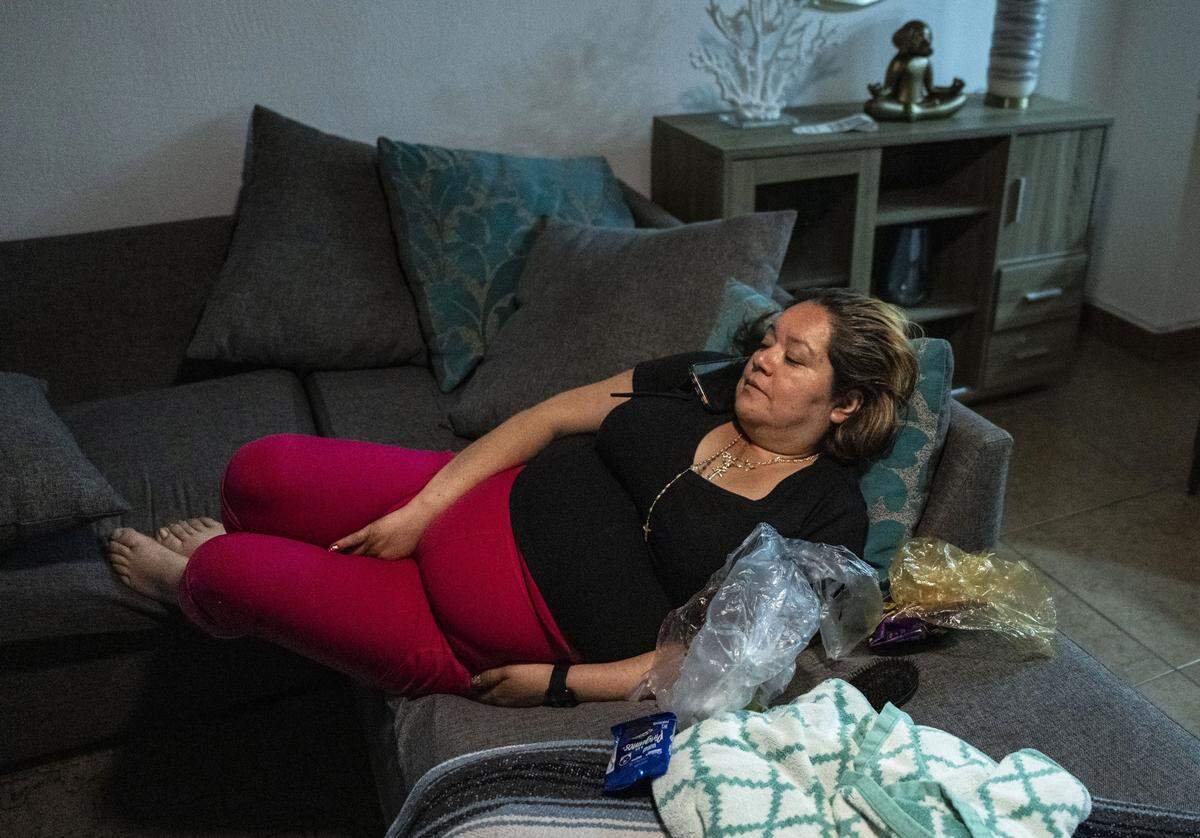
In Tijuana Sunday, over a plate of seafood, Estrada Juarez allowed herself some hope. She spent days on video calls with her lawyer and immigration advocates as details shifted constantly. They assured her that a return was a matter of when — not if.
“This case makes clear that the government cannot ignore due process and basic legal protections,” said her attorney Stacy Tolchin.
Tolchin arranged for Estrada Juarez to wait in Rosarito, a beach town about 30 minutes from the border. When she arrived Sunday afternoon, she sifted through her belongings one more time to ensure nothing might raise concern at the port of entry.
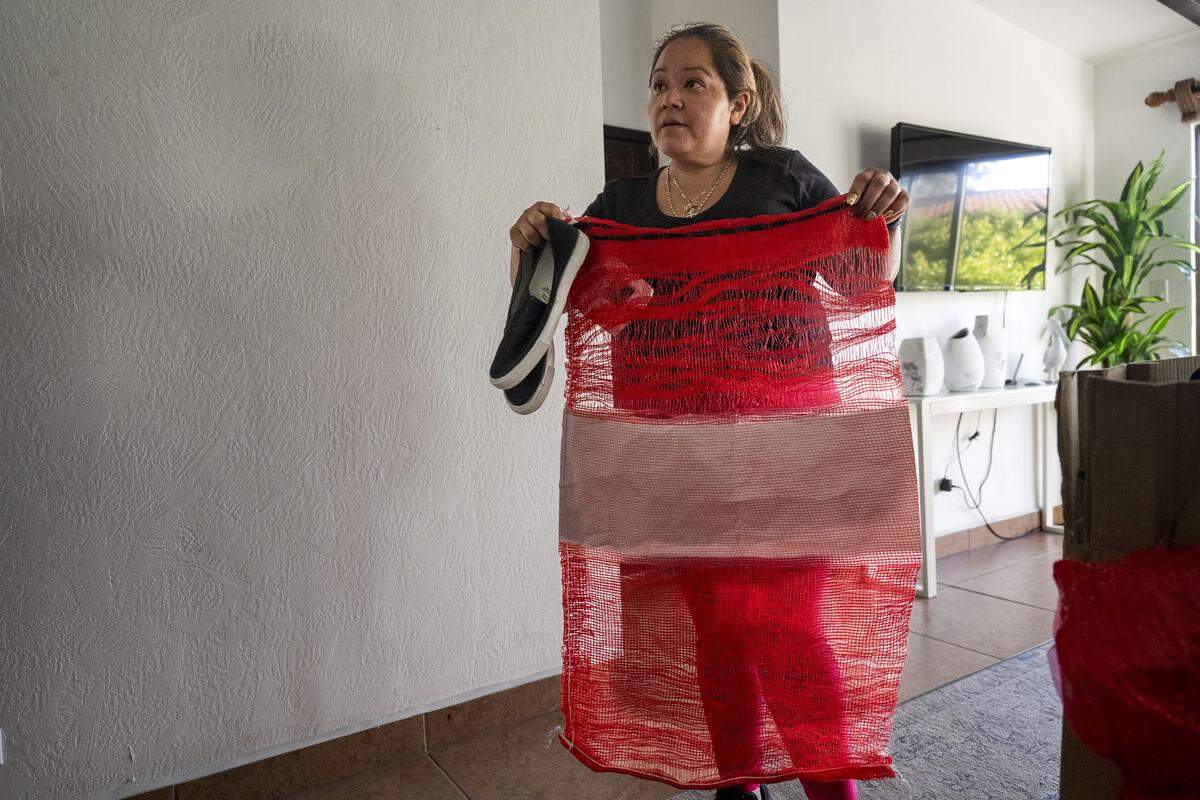
Inside, Estrada Juarez found what she calls the “most expensive bag” she’s ever owned. The red mesh sack, of the kind typically used to store oranges or onions, is stamped with her name, immigration number and date of deportation. It was given to her the day she was deported.
“We’re going to burn this when we get back home,” she said.
That night, Estrada Juarez walked to the beach. Families were gathered near the water. Children ran in and out of the waves. She FaceTimed her daughter.
They had spent years visiting beaches together, especially in Santa Monica. Estrada Juarez turned the camera to show the sunset. She promised to bring her daughter back. “
“This is the first time I go to the beach without her,” she said.
Minutes after the call ended, she collapsed onto the sand and wept.
“It would mean my life,” she said, describing what it would feel like to see her daughter again.
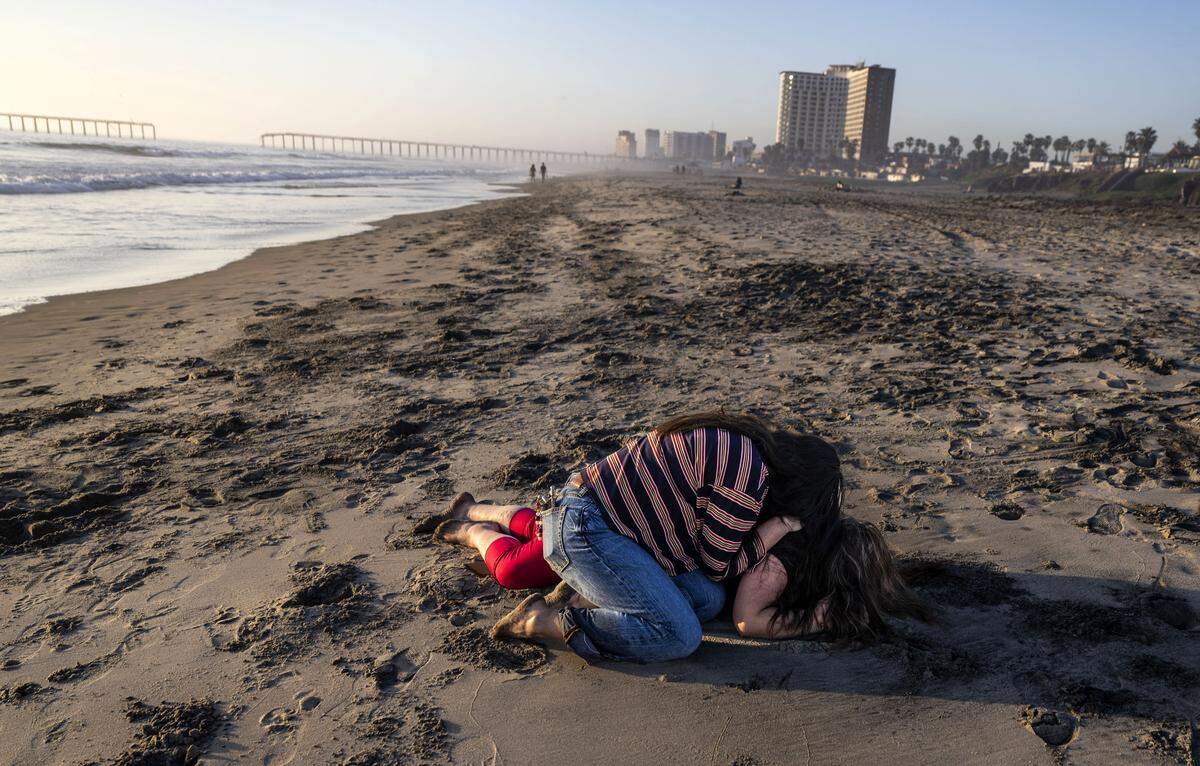
The approval of her parole came the next morning, while Estrada Juarez was still wrapped in a blanket.
She again FaceTimed Bello. Neither said a word as tears fell down their faces.
“See you soon,” Estrada Juarez said before ending the call.
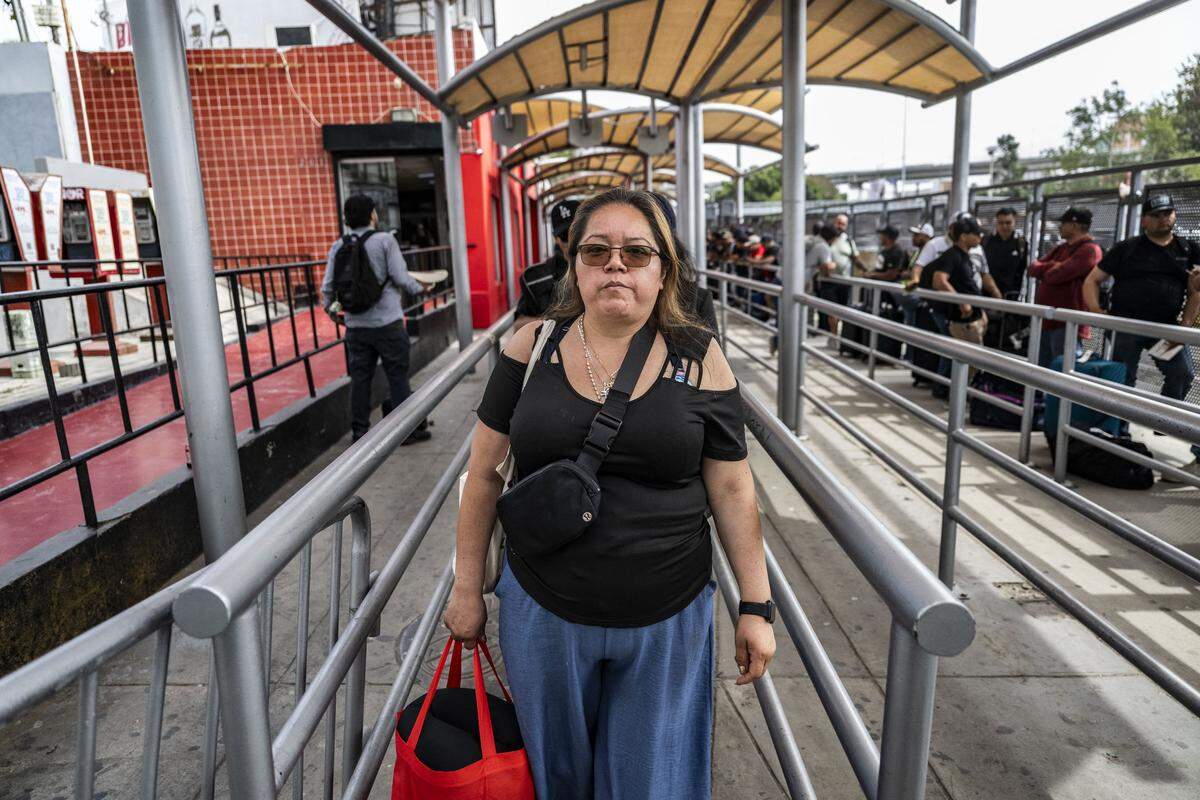
Hours later, before entering the pedestrian crossing line at the border, she checked her blood pressure. The digital monitor read:156/97 — a range classified as high blood pressure.
“I’ve had higher,” she said.
On the U.S. side, Bello was waiting near the exit, after flying down from Sacramento. For nearly five hours, her phone trembled in her hands as she tracked her mother’s location.
At 7:30 p.m., Estrada Juarez stepped out. Bello stood up as her mother moved closer. They were tired of relying on phone calls and video screens.
They embraced and didn’t let go.
This story was originally published March 31, 2026 at 3:00 AM.