Sacramento mother who was deported, then returned, will appeal green card denial
Maria de Jesus Estrada Juarez, the Sacramento mother who returned to the U.S. Monday after a federal judge found her deportation unlawful, will continue her legal fight against the government.
Back in Sacramento Tuesday afternoon, Estrada Juarez said she has appealed the federal government’s denial of her green card application — the first step in what ultimately resulted in her deportation nearly six weeks ago.
“I will not give up on my future or my family,” she said, hours after flying back to the capital region.
One day earlier, Estrada Juarez had walked through the pedestrian doorway of the San Ysidro Port of Entry, the border crossing between Tijuana, Mexico and San Diego. She immediately embraced her daughter and best friend Damaris Bello, who had waited six hours on the U.S. side of the border.
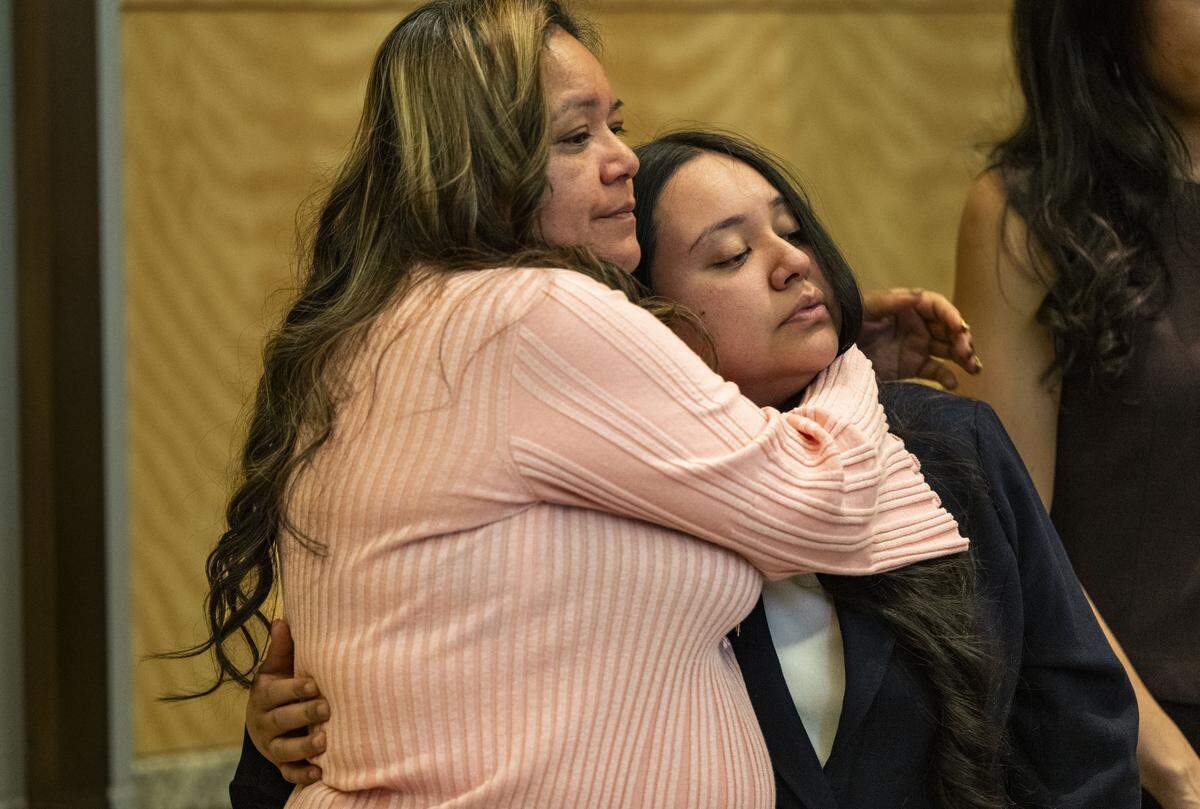
The successful return makes Estrada Juarez one of the few people known to have been allowed back into the United States after a deportation during President Donald Trump’s second term, according to immigration experts.
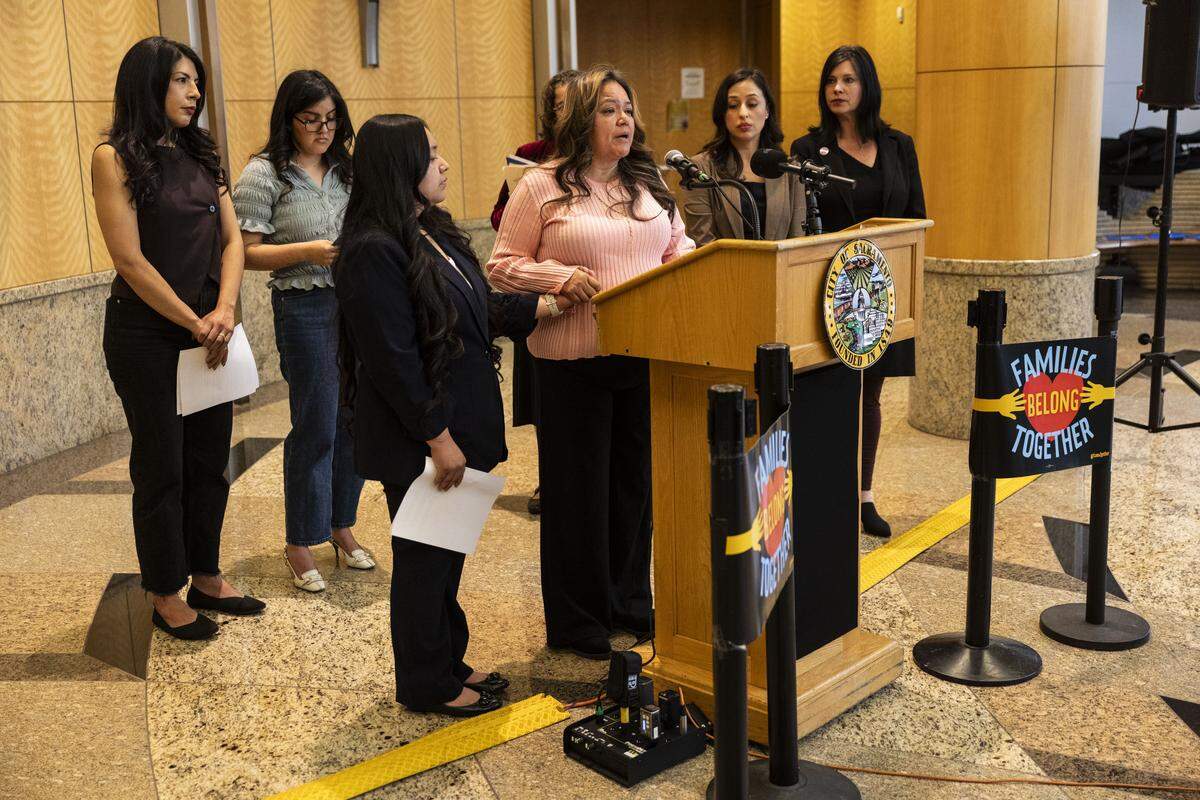
At a Tuesday afternoon news conference in Sacramento City Hall, the mother and daughter stood beside their attorney, immigration advocates and local lawmakers — many of whom were involved in a weeks-long effort to bring her home.
The case drew widespread national attention given that Estrada Juarez is a recipient of Deferred Action for Childhood Arrivals, a program that has typically shielded people from deportation if they arrived in the U.S. as children and have no criminal record. Over the last year, the Trump administration has ramped up enforcement against people with the status.
“We fought every single day,” Bello, 22, said. “We fought to bring her home. We leaned on our community…on everyone who stood with us and believed that what happened to my mom was wrong.”
Last month, Bello had watched immigration agents arrest her mother at a routine green card appointment in downtown Sacramento. Estrada Juarez was deported to Mexico by the next morning.
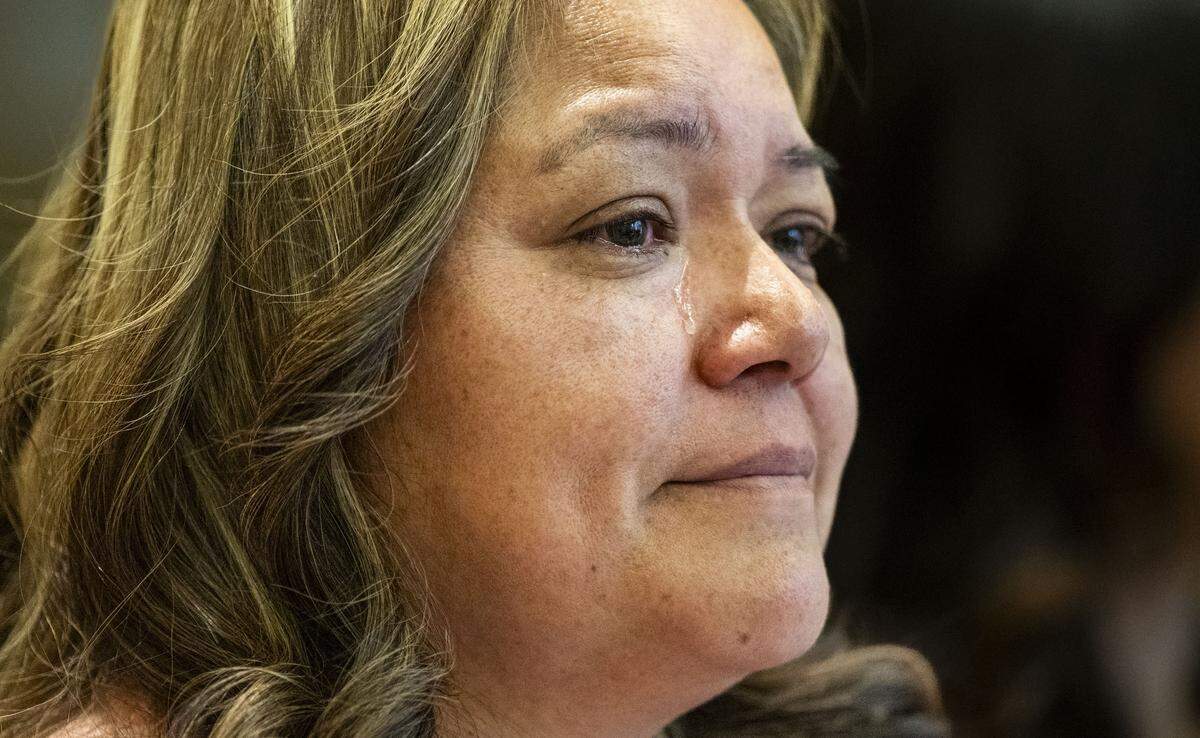
The potential of a return had seemed slim, until earlier this month when U.S. Eastern District Court Judge Dena Coggins ruled that the U.S. government must return Estrada Juarez in seven days. Coggins called Estrada Juarez’s removal a “flagrant violation” of her constitutional due process rights and protections under DACA. On Monday, the deadline, Immigration and Customs Enforcement granted her permission to reenter.
“No one should be stuck dealing with the fallout of something like this,” said her attorney Stacy Tolchin. “This case is not just about Maria. It shows how quickly things can go wrong, even for people who are doing everything right. It shows just why due process is so important.”
Tolchin will continue to represent Estrada Juarez in the coming months. They have appealed the green card denial, arguing that the decision was based on a 1998 removal order that was never finalized due to a lack of supervisory approval. At the time, Estrada Juarez was 15.
Estrada Juarez has also applied for a DACA renewal, a process that has been delayed months for some immigrants under the Trump administration. The latest statistics estimate there are more than 500,000 DACA recipients in the country.
Estrada Juarez first secured the status in 2013, and has been renewing every two years. Her current status expires at the end of April.
“I want to concentrate on myself right now, but in the future, if I can help somebody, I will,” she said.
This story was originally published March 31, 2026 at 7:06 PM.