
Potentially deadly virus on the rise in Northern California. What is rotavirus?
Rising levels of rotavirus, a lesser-known infection, have been detected in wastewater in several California cities, testing shows.
WastewaterSCAN data shows “high concentrations” of rotavirus in Marin, Redwood City, San Jose and Santa Cruz. Moderate concentrations have been found in Sacramento, Davis, San Francisco, Sunnyvale, Fremont, Vallejo and Novato.
The highly contagious virus “causes severe watery diarrhea and vomiting in infants and young children,” the U.S. Centers for Disease Control and Prevention said. Older children and adults with weakened immune systems also are vulnerable.
“Prior to the introduction of rotavirus vaccine in 2006, rotavirus was the most common cause of severe diarrhea in infants and young children in the U.S.,” the California Department of Public Health said. “Worldwide, rotavirus continues to be a major cause of childhood deaths.”
Here’s what to know:
What is rotavirus?
Rotavirus is a virus that causes diarrhea, according to the Mayo Clinic. It mostly affects children under 5 years of age, and it’s a leading cause of death in children.
The most common complication from rotavirus is dehydration, the clinic said.
“The virus invades and destroys cells in your intestinal lining called enterocytes, which help you absorb nutrients from food,” WebMD said.
The virus causing the infection was discovered in 1973, the National Institutes of Health said.
The first rotavirus vaccine was produced in 1998 but later withdrawn because of a rare complication. Later generations of the vaccine were introduced in the early 2000s.
How common is rotavirus?
The virus is extremely common, Boston Children’s Hospital said. In fact, most children have already been infected at least once by the time they are 3 years old.
Rotavirus causes more than 125 million cases of diarrhea each year in children and infants worldwide.
“Before a vaccine became available, rotavirus caused between 55,000 and 70,000 children to be hospitalized each year in the U.S.,” the hospital said. “Thanks to vaccination, that number has dropped by roughly 80%.”
In the United States, the number of childhood deaths from rotavirus have dropped to between 20 to 40 each year. About 600,000 children die of rotavirus worldwide each year.
It’s most common in the winter and spring, the hospital said.
What are the symptoms of rotavirus
The symptoms of rotavirus are a lot like those of noroviruses or food poisoning— severe watery diarrhea, vomiting, fever and stomach pain, the CDC said.
Symptoms normally start within two days after exposure and can last from three to eight days.
What are the complications of rotavirus?
Dehydration is the most common complication of rotavirus infections from “loss of water and important salts and minerals,” the Mayo Clinic said.
”If not treated, dehydration can cause organ damage, other serious disease and death,” the clinic said.
Intussusception is a rare complication of rotavirus infections, caused when one part of the intestine slides into another part of the intestine, like a telescope folded up,” the clinic said.
This can block the intestines and prevent blood from reaching them.
Symptoms include intense stomach pain, vomiting and bloody stools. It requires immediate medical care, the clinic said.
When should you see a doctor about rotavirus?
Call your doctor if your child has watery stools for more than 24 hours, a fever of 102 degrees Fahrenheit or higher, fever of 100.4 degrees Fahrenheit or higher in children under 3 months old, frequent vomiting, intense pain in the stomach or rectum, black or tarry stools, or stools with blood or pus, or symptoms of dehydration, the Mayo Clinic said.
Dehydration symptoms in children include excessive thirst or dry mouth, crying without tears, low energy, little urination, or no wet diapers for three or more hours, sunken eyes or cheeks, sunken soft spot on baby’s skull or loss of skin elasticity.
Adults should call a medical professional if you have diarrhea for more than two days, a fever of 102 degrees Fahrenheit or higher, frequent vomiting, intense pain in the stomach or rectum, six or more stools in 24 hours, black or tarry stools, or stools with blood or pus, or dehydration.
Symptoms of dehydration in adult can include those listed for children along with fainting or lightheadedness and dark urine, the Mayo Clinic said.
How does rotavirus spread?
The virus spreads mainly from contact with infected feces, WebMD said.
Infected people shed the virus in their feces before symptoms show up and for up to 10 days after symptoms end.
Children who don’t wash their hands properly after using the bathroom may spread it to crayons and markers, food, surfaces such as sinks and kitchen counters, toys, including shared electronics such as iPads and remote controls, utensils and water, WebMD said.
You can be infected more than once, although the first infection is normally the worst, the site said.
“Rotavirus commonly spreads in families, hospitals, and child care centers,” the CDC said.
“Infants and young children can spread rotavirus to family members and other people with whom they have close contact.”

How can you prevent rotavirus?
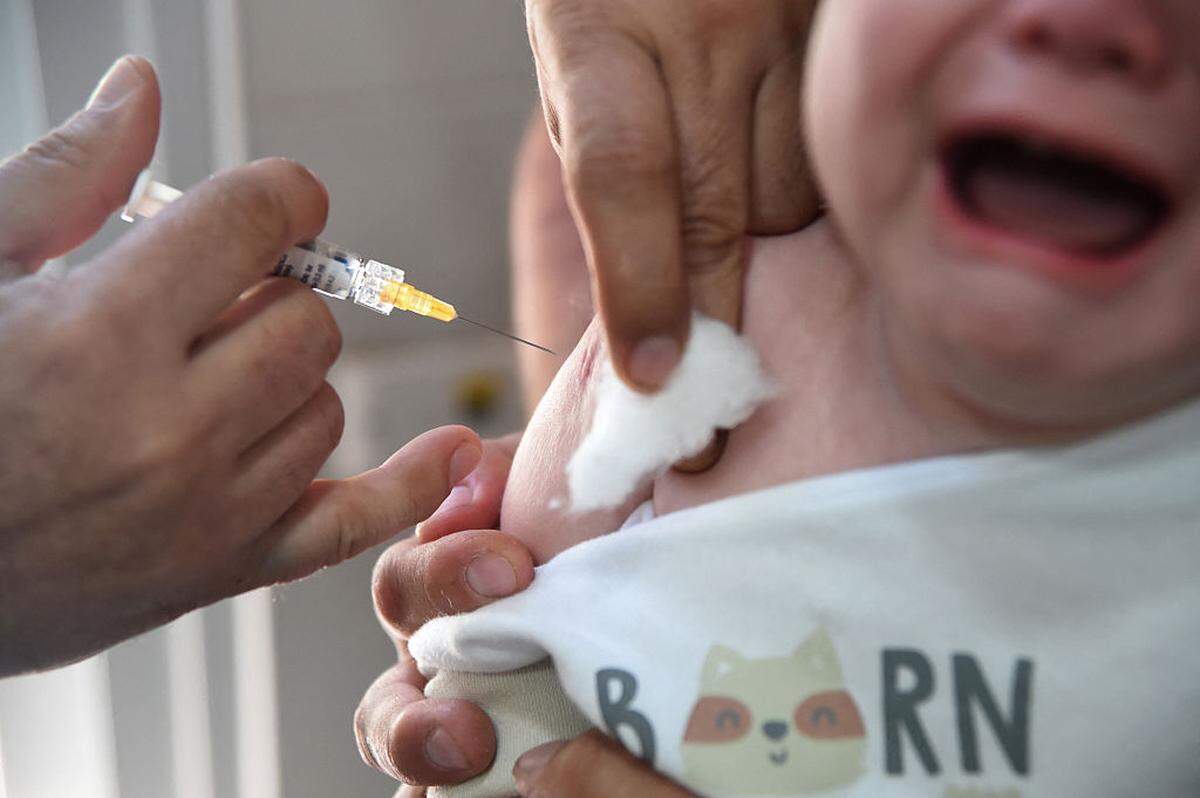
Vaccinations are the best way to protect children from rotavirus, the CDC said. They’re usually given as drops in the mouth, not shots, WebMD said.
“Good hygiene like handwashing and cleanliness are important but not enough to control the spread of the disease,” the CDC said.
How do you treat rotavirus?
While a vaccine can reduce the seriousness of a rotavirus if you catch one, there’s no medical treatment for the infection itself, the Boston Children’s Hospital said.
“Treatment of the disease is more for making your child feel better and to prevent any complications from dehydration,” the hospital said.
Ensure children drink plenty of water, formula or breast milk or Pedialyte to prevent dehydration. They should not drink sodas or sports drinks.
About one in 40 children may require hospitalization, where treatments may include intravenous fluids, tube feeding and blood work to track electrolyte levels.
How can you tell rotavirus from other illnesses?
“Unlike norovirus, rotavirus mostly affects children,” WebMD said. “With rotavirus, you could be sick for up to 8 days. But norovirus usually lasts only 1-3 days.”
Symptoms also can seem like food poisoning, but food poisoning symptoms usually start immediately within three to six hours of consuming contaminated food or water.
Rotavirus symptoms take longer to show up and ramp up more slowly, WebMD said.