Going on a hike in California? Here’s how to stay safe on the trail
Hiking can be a great way to see California’s natural beauty and vast landscapes.
California has nine national parks — the most of any U.S. state — as well as 280 state parks.
Redwood, Sequoia and Kings Canyon national parks are known for their towering forests, while Point Reyes National Seashore and Channel Islands National Parks offer ocean adventures.
Whether you’re planning a lengthy Yosemite National Park visit or a quick day trip to a local attraction, safety should always be a priority, according to the U.S. Forest Service.
Here’s how to stay safe on the trail:

How do I plan a hike?
“Planning is an important step in being prepared and ready for your adventure,” the National Park Service said on its website.
The first step is picking the right trail for you and your group.
The National Park Service recommends creating a trip plan that details “where you will be walking or hiking, your contact information, when you plan to arrive and return and who is coming with you.”
Leave this with a trusted friend or family member who’s not going to the hike.
You should also develop an emergency plan in case you or your companions become lost or injured, the park service said, and figure out an alternate way to communicate if cell service gets spotty.
Other steps include checking the weather forecast as well as park alerts on trail closures, wildfire risks and other hazards.
What trails should I hike?
When choosing a trail, the National Park Service said, it’s important to know your limits.
Ask yourself these questions:
- What is my experience level with hiking?
- How much equipment can I comfortably carry in a backpack?
- Am I physically fit enough?
- Have I ever hiked in this type of environment before?
- Can I go into higher elevations?
- Am I hiking alone or bringing a friend?
California State Parks labels trails based on difficulty level, with “easy” trails are 1 to 2 miles with “easy terrain and little elevation gain.”
“Moderate” trails are a bit longer — 2 to 4 miles — and feature “some elevation gain,” the state agency said, while “challenging” trails are 4 miles or longer with “varying terrains.”
Popular app AllTrails uses four difficulty ratings to filter searches for trails in California and elsewhere.
“Easy trails are typically short, with clearly marked paths and fairly level terrain,” AllTrails said, while “strenuous” trails are reserved for “advanced adventurers ... prepared for highly technical terrain, exposure and scrambling.”
What should I wear on a hike?
“There’s no one-size-fits-all approach to hiking attire,” outdoor gear retailer REI said.
Instead, choose your clothing and footwear based on factors such as temperature, terrain, distance and duration of the hike.
According to REI, hiking basics include:
- Comfortable and study pants
- Moisture-wicking top
- Warm jacket
- Rain jacket
- Brimmed hat
- Sturdy shoes
- Extra socks
Hiking footwear should “provide support, protection from rocks and roots and traction on wet and dry surfaces,” REI said.
Avoid wearing cotton or denim on hikes as the fabric absorbs moisture, making hikers feel sweaty in hot temperatures or chilly in cold and wet weather.
Instead, wear clothes made out of polyester, nylon or merino wool.
What equipment should I pack?
According to the National Park Service, these are the 10 essential items you should pack ahead of a hike:
- Navigation: Map, compass and GPS system
- Sun protection: Sunglasses, sunscreen and hat
- Insulation: Jacket, hat, gloves, rain shell and thermal underwear
- Illumination: Flashlight, lanterns, headlamp
- First-aid supplies: First aid kit
- Fire: Matches, lighter or fire starter
- Repair kit and tools: Duct tape, knife, screwdriver and scissors
- Nutrition: Food
- Hydration: Water and water treatment supplies
- Emergency shelter: Tent, space blanket, tarp or bivy sack
Pack enough water to last the entire trip to prevent heat-related illness, as well as plenty of nutritious food that doesn’t need to be cooked.
You might also want to bring some bug spray.
What dangers can I encounter on a hike?
From medical emergencies to insects, dangers can creep up on unaware hikers.
Dehydration and heat exhaustion can be prevented by wearing proper clothing, drinking enough water and eating food, the National Park Service said.
“Be aware of your surroundings, and pre-plan your approach before hiking through more hazardous areas,” the Forest Service said, such as wet surfaces and steep slopes.
The National Park Service said you should be especially cautious when hiking near water.
“Climbing on rocks near waterfalls is extremely dangerous and can lead to a fatal fall or drowning,” the federal agency said, while cold and swift-moving streams and rivers come with their own risks.
Protect yourself from insect bites with insect repellent, netting, long pants and sleeved tops.
Check your body regularly for ticks during and after your hike.
California State parks also recommends looking out for poison oak. Avoid touching it.
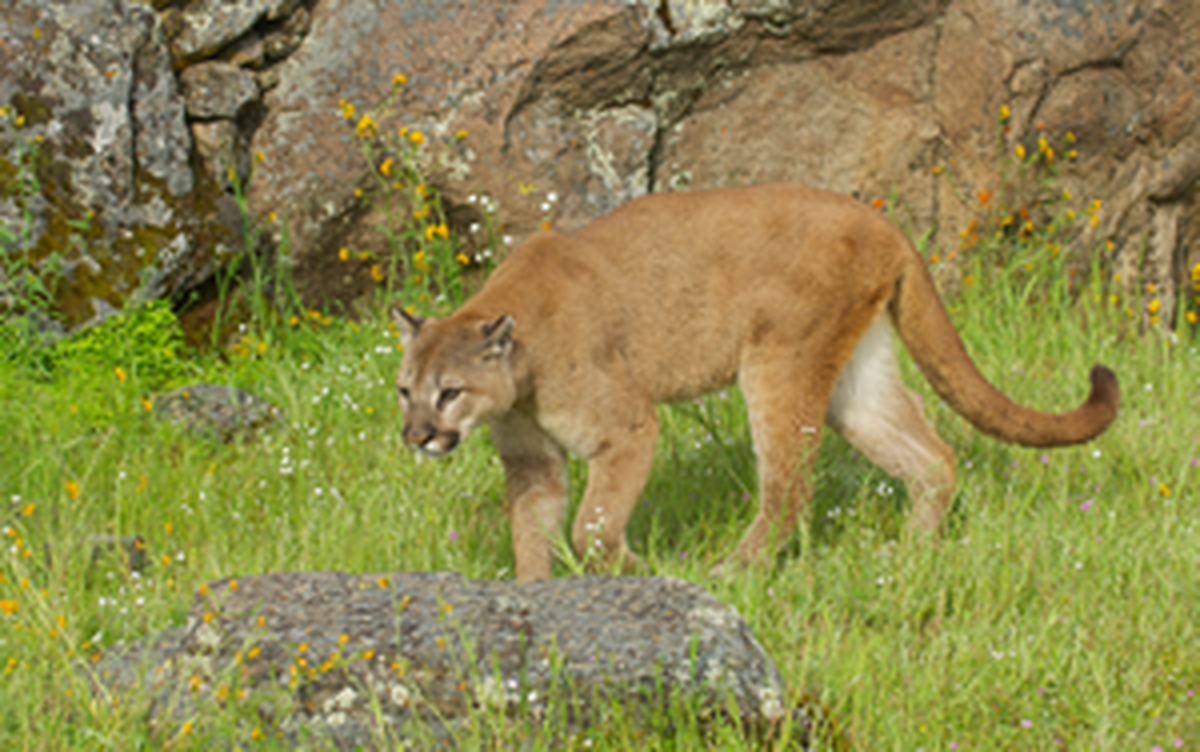
What should I do if I encounter wildlife?
“Wild animals generally avoid human contact,” the State Compensation Insurance Fund said on its website. “If you do see an animal in the wild, maintain your distance.
“Don’t attempt to feed, catch or pet a wild animal,” the nonprofit insurance carrier said, and never approach animal mothers or their babies.
Common species in California include black bears, bobcats, coyotes, gray wolves, mountain lions and rattlesnakes, according to the California Fish & Wildlife Department.
If you encounter a coyote or mountain lion, the National Park Service and California State University, Monterey Bay, suggest following these steps to stay safe:
- Stay calm and maintain eye contact.
- Make loud noises and wave your arms to appear larger.
- Slowly back away and give the animal space to leave.
- Don’t run.
- Pick up small children so they don’t panic or run away.
- Don’t bend over or crouch down.
- If the animal does not leave, throw objects such as rocks in its direction to scare it away.
- If the animal attacks, fight back.
- Report all sightings, encounters or attacks to local park rangers or law enforcement.
This story was originally published April 15, 2026 at 5:00 AM with the headline "Going on a hike in California? Here’s how to stay safe on the trail."