Yosemite waterways are ‘very dangerous’ as snow melts. How to stay safe
Taking a dip into a rushing river or scenic lake might seem like the perfect way to cool off after a hike in Yosemite National Park.
However, jumping right in could be deadly, officials warn.
In early April, a 5-year-old boy drowned at Shasta Lake after entering the cold water without a life jacket, The Sacramento Bee previously reported.
“This incident serves as a sobering reminder of how quickly a routine outing can become tragic,” Shasta County Sheriff’s Office deputies said at the time.
While outside temperatures are rising, California’s rivers, lakes and streams remain extremely cold.
“As spring temperatures melt snowpack at higher elevations, icy runoff tumbles thousands of feet over waterfalls into the rivers and creeks that twist through Yosemite National Park,” park officials said in a March 22 post on Instagram.
“After a day of hiking in the sun, feeling the cool mist at the base of Lower Yosemite Fall or dipping your toes into the Merced River can be tempting,” park officials added. “As refreshing and beautiful as these places are, they are also very unpredictable and very dangerous.”
“That river is cold in June,” Instagram user Scott Faldon wrote in a comment on the post. “I can’t imagine it now.”
Here’s what to know when visiting Yosemite this spring and summer:
When does snowmelt peak in Yosemite?
Depending on how much snow fell over the winter and early spring, Sierra Nevada snowpack typically begins melting in the Yosemite Valley in April, lasting at higher elevations until June.
Because Yosemite’s waterfalls, rivers and creeks are fed from snowmelt, the water temperature remains cold year round.
Following a warm, dry winter and an unseasonably warm spring, Yosemite waterways are already surging this year, especially in the valley.
“Yosemite Valley is putting on a show right now,” the U.S. Department of the Interior said in an April 8 post on X, sharing a video of the park’s many waterfalls. “As warmer temperatures melt snowpack at higher elevations, waterfalls and creeks are rushing with water.”
Visitors should be extra careful during spring and summer while water levels are high, Yosemite National Park said in the March 22 post.
“Please stay well back from the edges of rivers, creeks and waterfalls,” park officials said. “Yosemite’s creeks, rivers and waterfalls are a breathtaking experience. This spring, let that phrase remain metaphorical for you and your loved ones, not literal.”
Why is cold water dangerous?
According to the California Governor’s Office of Emergency Services, waterways fed by snow melt can “induce cold shock.”
Sudden immersion in cold water can stimulate the “gasp reflex,” causing an involuntary inhalation of air or water and can start the drowning process immediately,” the state Emergency Services Office said on its website.
“Area waterways are running fast and cold due to snowmelt, and even experienced swimmers can lose muscle control very quickly,” the National Weather Service’s Sacramento office wrote in a March 13 post on X.
According to the weather service, cold water can have adverse effects on critical body functions such as breathing and muscle function.
Being immersed in water colder than 77 degrees can impact your breathing, according to the weather service.
When water is 60 to 70 degrees, breathing becomes difficult to hold or control, the weather service said.
Once you lose your breath in water that’s 50 to 60 degrees, it becomes impossible to regain and muscle control only lasts a few minutes, the weather service said.
How dangerous are Yosemite waterfalls, rivers and streams?
The Yosemite Search and Rescue team prepares for water rescues every year, Yosemite National Park officials said in the March 22 Instagram post.
Each year, the team performs 15 to 20 rescues of unprepared victims who find themselves in water,” park officials said. “Most accidents happen when people get too close to the water to take photos, play on rocks or take a quick dip to cool off.”
In fact, “water hazards such as slippery granite and swift currents” ranked among the most common reasons Yosemite visitors needed rescuing in 2024, The Fresno Bee previously reported.
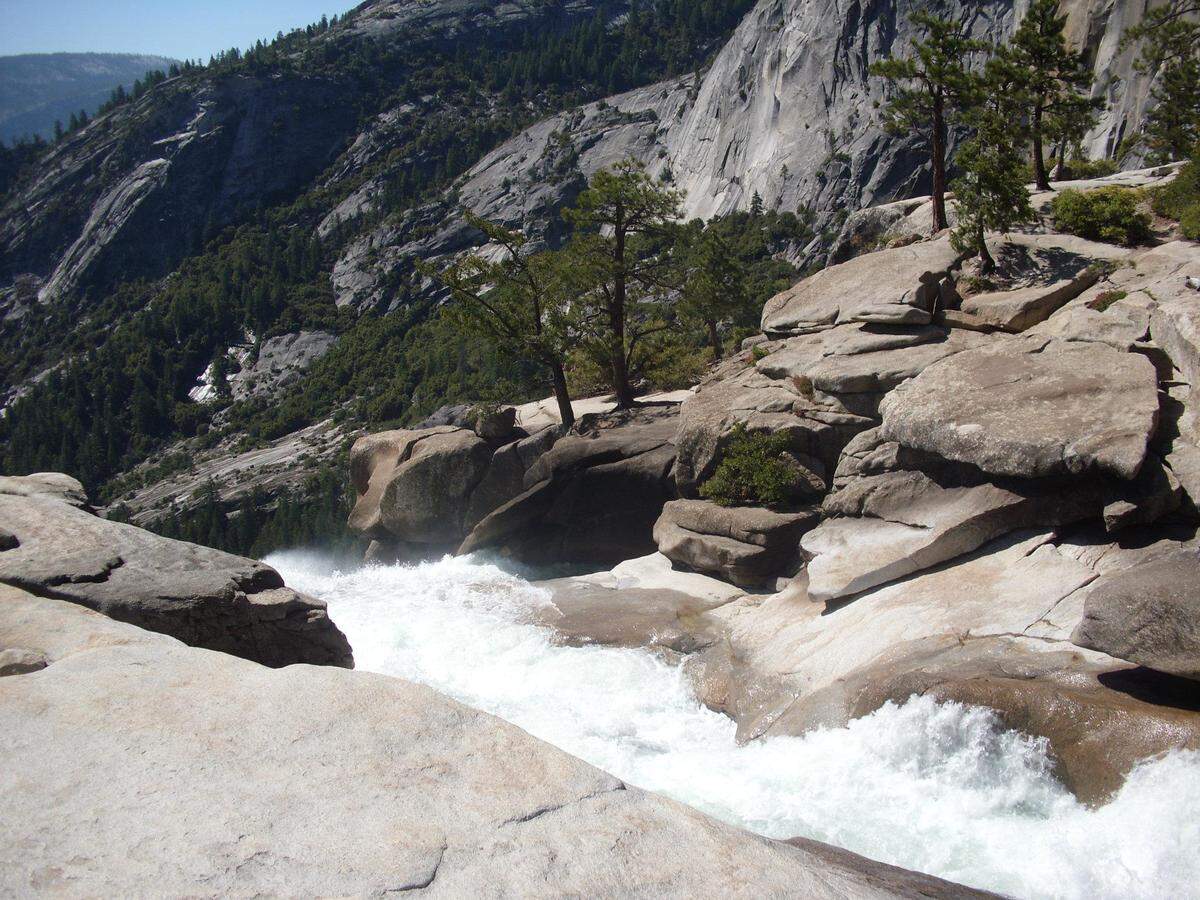
“Right now, every stream in Yosemite is running fast, high and cold,” with temperatures dipping as low as 40 degrees, park officials said.
“Boulders around rivers and waterfalls are extremely slick and treacherous to walk or climb on,” even if dry, park officials said. “Swift and powerful currents surge from falls and beneath surfaces that may look calm.”
How to stay safe near water
Here are some safety tips for those planning to spend time in and around water from the California Department of Water Resources, National Weather Service and Sacramento Fire Department:
Plan ahead
- Check the status of the park you’re planning to visit before you leave your home for restrictions and guidelines
- Check river conditions on the Department of Water Resources’ website.
- Bring a proper-fitting life vest and shoes, as well as sun protection and water for hydration.
- Bring a life preserver
- Know your GPS coordinates so you can provide your location in case of emergency.
- Tell someone where you are going and when you expect to be back, and let them know when you return safely.
Know the water
- Stay out of cold, fast-running water.
- Never enter the water to rescue someone.
- Throw something that floats and call 9-1-1.
- Never swim alone and never go in the water after drinking alcohol.
Know your limits
Even the strongest swimmers can become overwhelmed when faced with cold, swift water.
Life jackets
Life jackets are strongly recommended when recreating in or near waterways.
Supervise
- Keep a close eye on family and friends if you plan to be around flowing water.
- Always watch children in and around water. Assign a designated “water watcher.”
What should I do near swift water?
“Spring is here and the temps have warmed considerably!” Friends of Yosemite Search and Rescue said in a March 26 post on Instagram. “Waterfall season is in full effect, and they’re absolutely roaring right now!”
The group shared the following swift water safety tips:
- Never underestimate the current.
- Stay back from edges,
- Avoid crossing fast-moving streams, especially during peak runoff.
- Keep a close eye on kids and pets near water at all times.
- If you fall in, float on your back with your feet up and pointed downstream.
- If you’re backpacking, keep your waist strap undone for easy escape.
McClatchy Media’s Camila Pedrosa and Sarah Linn contributed to this story.
This story was originally published April 13, 2026 at 5:00 AM with the headline "Yosemite waterways are ‘very dangerous’ as snow melts. How to stay safe."