
Why are there feral peacocks in Sacramento? Here are safety tips to know
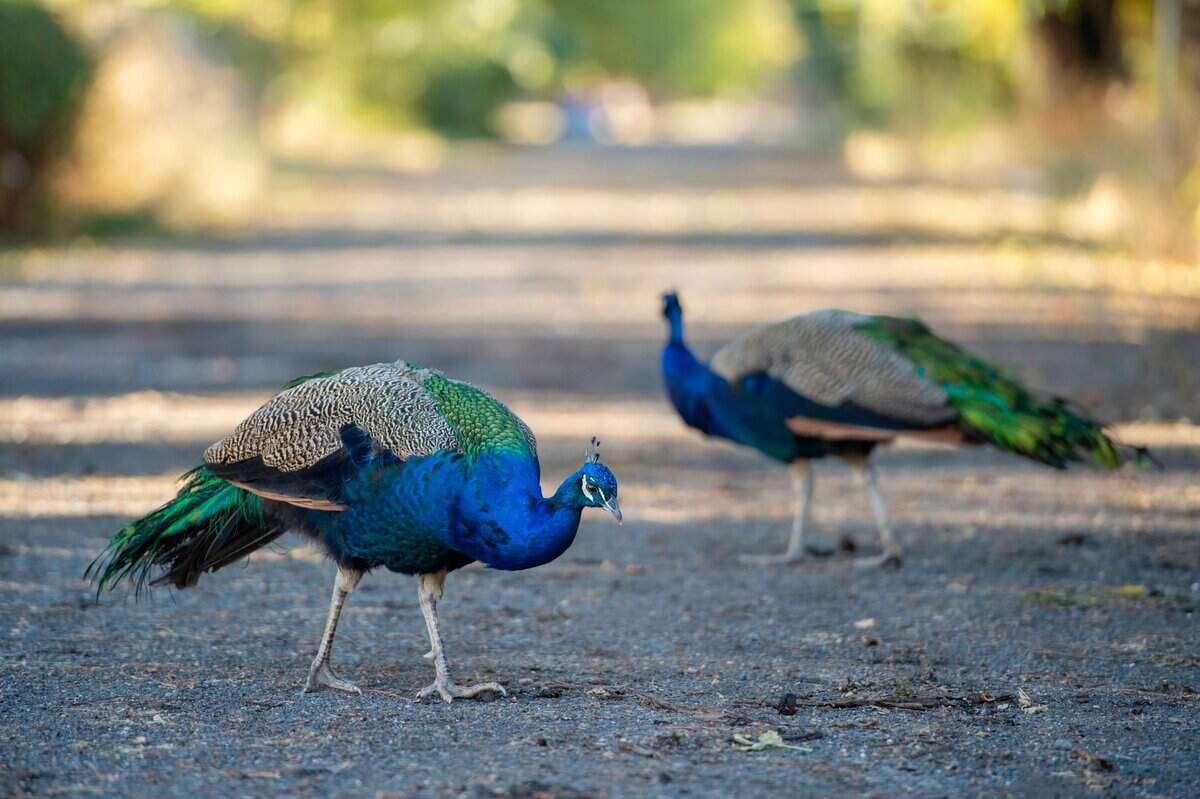
Wild turkeys may rule the roost among large birds in Sacramento, but the region also is home to plenty of feral peacocks.
What are peacocks, which originated in India, doing in California, anyway? And how can you stay safe when you encounter them?
Here’s what to know:
What are feral peacocks?
Peafowl is the common name for two bird species that belong to the genus Pavo: blue or Indian peafowl, which are originally from the Indian subcontinent and green peafowl, which are native to Southeast Asia.
The big birds prefer seeds, insects, snails and snakes, but the omnivores will also eat pet food and plant seedlings, PetHelpful said.
Male peafowl, called peacocks, are known for their screeching calls and plumage, including a long train of feathers that’s displayed during courtship rituals. The duller-colored females are known as peahens.
How did peacocks get here?
Peacocks may have been introduced to California by rancher Elias J. “Lucky” Baldwin, who purchased 8,000 acres in Southern California in 1875, Audubon Magazine said.
Along with sheep, hogs, horses and cattle, Baldwin kept peafowl that he may have imported from India on his ranch, the publication said.
The birds helped keep snakes at bay and warned of encroaching bobcats. After Baldwin’s death, part of his ranch (and peafowl) became the Los Angeles County Arboretum and Botanic Garden in Arcadia.
In Sacramento, at least some feral peacocks may originate from Camp Pollock, an 11-acre park and camping area in the Lower American River Parkway, Amy Rodrigues, communications and marketing director for the Sacramento Valley Conservancy, told The Sacramento Bee in 2024. A group also frequents American Discovery Park.
The conservancy has been managing Camp Pollock since 2013, Rodrigues said.
“We inherited some peacocks and there’s still a small flock often seen on site,” she said.
However, it’s unclear how the birds actually got to Camp Pollock — or why they’ve stuck around.
Why are feral peacocks a problem?
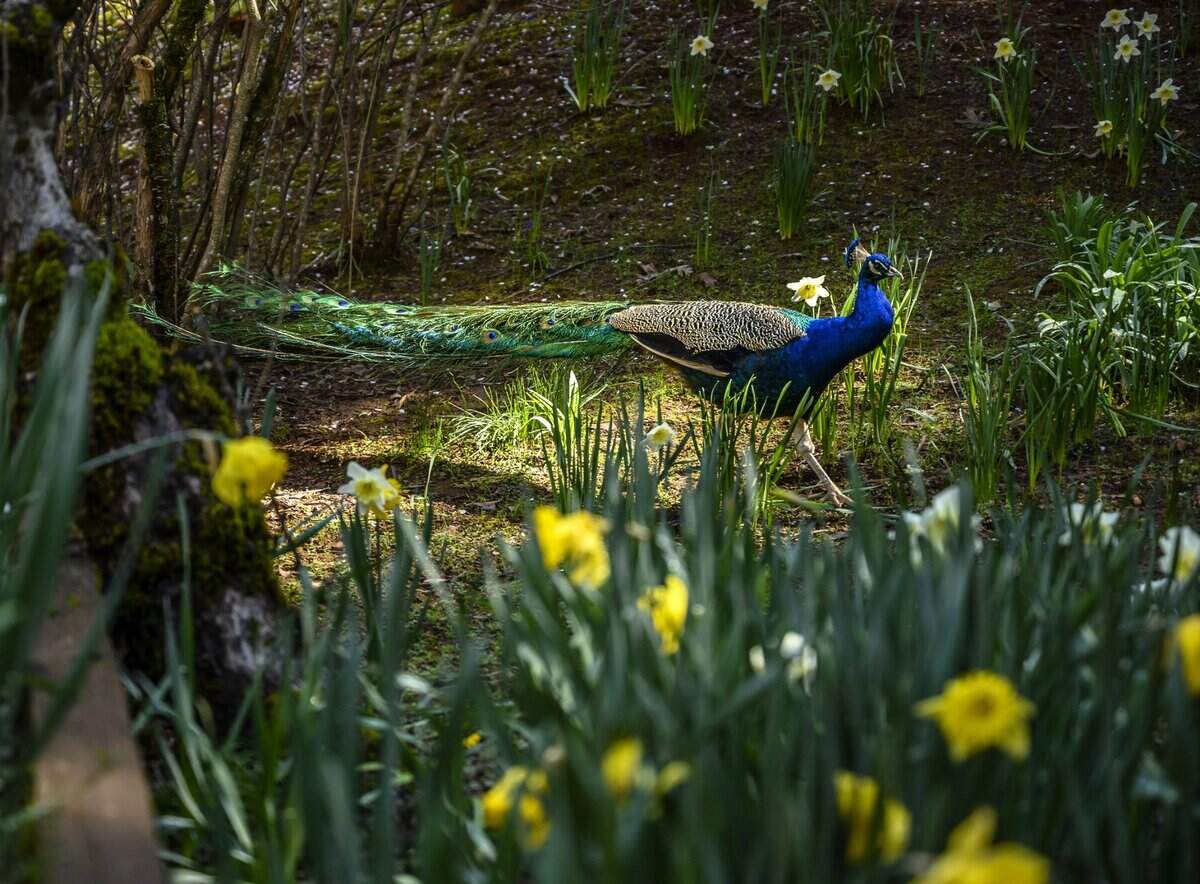
Despite their beauty, peacocks are an “invasive animal species” that can damage the environment, according to Francine Bradley, a UC Cooperative Extension poultry specialist.
“They hurt native birds by eating their food and decimating the plants where the natives would live,” Bradley told UC Davis in 2003. “They ruin plants put on hillsides to prevent erosion.”
“In neighborhoods, they scratch the paint on cars, damage shingles and tiles on roofs and cover lawns with fecal matter,” Bradley said.
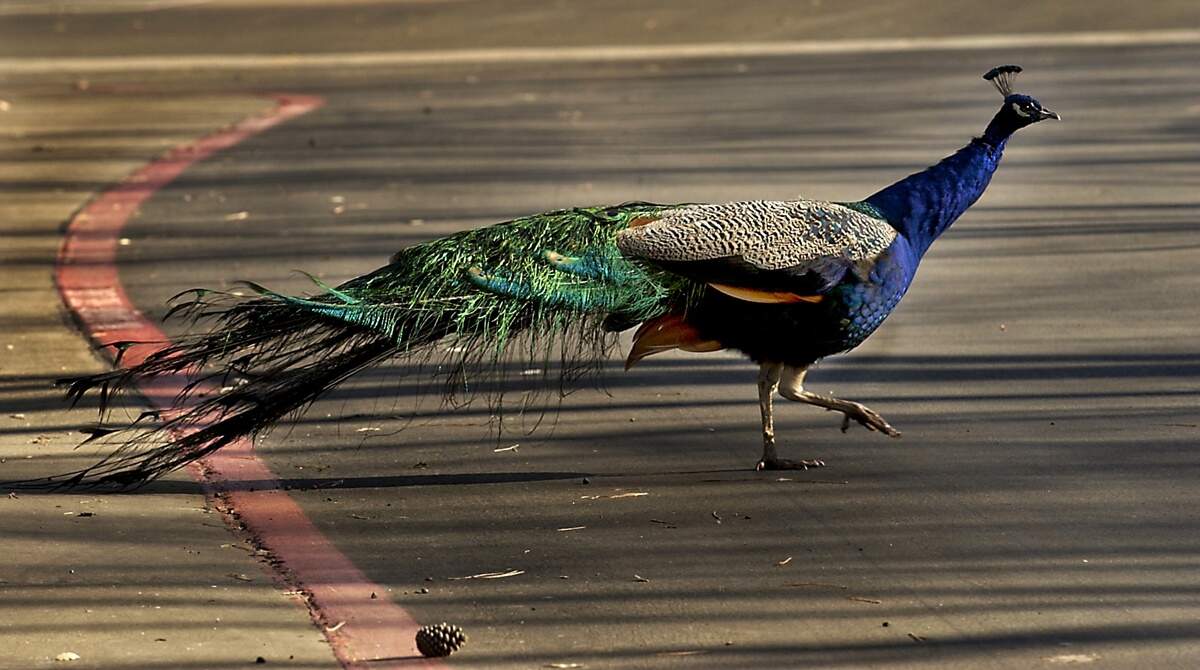
Peafowl can also disturb landscaping and startle people with their piercing screams.
Several California cities have undertaken efforts to reduce or eliminate flocks of feral peacocks.
What should I do if I see a feral peacock?
If you run into a peacock or peahen in a park or find one frolicking in your backyard, it’s best to keep your distance.
Male peacocks have sharp talons and can be “extremely aggressive,” the Los Angeles County Arboretum & Botanic Garden said on its website.
That’s especially true during mating season, which lasts from early spring to early summer.
“Peafowl are ... disturbed by loud noises and human behavior,” the arboretum said on its website. “It is best not to startle them as they can move quickly and be aggressive.”
Here are some tips on what to do if you encounter a peacock, according to the arboretum’s website:
- Stay 10 feet away from peafowl.
- Don’t eat or have food around peafowl.
- Do not disturb the birds. Keep quiet and move slowly.
- Don’t leave children alone with the birds.
How can I keep peacocks out of my yard?
Below are some tips to keep peafowl out of your yard or garden, according to the Rancho Palos Verdes city website:
- Avoid planting tender seedlings in areas of your yard that you don’t want peafowl to visit.
- Cat repellents and mothballs are an effective way to keep peacocks out of gardens.
- Peacocks are afraid of dogs and water. Walking your dog around your property or turning on the sprinklers will keep peacocks away and acts a “negative reinforcement for the bird.”
- Peacocks like to eat seeds, bugs and worms. If you’re composting, keep your composting area as clean as possible.
- Peafowl also enjoy eating bread, bird seeds and pet food. Once the animals is “hooked, its difficult to wean them off,” the site said, so remove any leftover pet food that’s outside.
This story was originally published April 21, 2026 at 12:27 PM.