Lyrid meteor shower peaks soon in California sky. Here’s when to look up
Want to make a wish on a shooting star? One of the oldest known meteor showers is streaking across the California sky.
The Lyrid meteor shower reaches its peak soon, offering stargazers multiple chances to see flashes of light and fireballs.
Here’s when to look up:
What is the Lyrid meteor shower?
The Lyrid meteor shower is “one of the oldest known meteor showers,” NASA said, with recording sightings going back as far as 687 BC.
The meteor shower will be active until Sunday, April 26, according to NASA.
The Lyrids are known for “fast and bright meteors” with occasional fireballs — and they can be unpredictable, NASA said.
“Lyrids are known for uncommon surges that can sometimes bring rates of up to 100 (shooting stars) per hour,” EarthSky said.
According to In The Sky, the best time to view the Lyrids will be on Wednesday, April 22, before dawn, when the sky is moonless yet still dark.
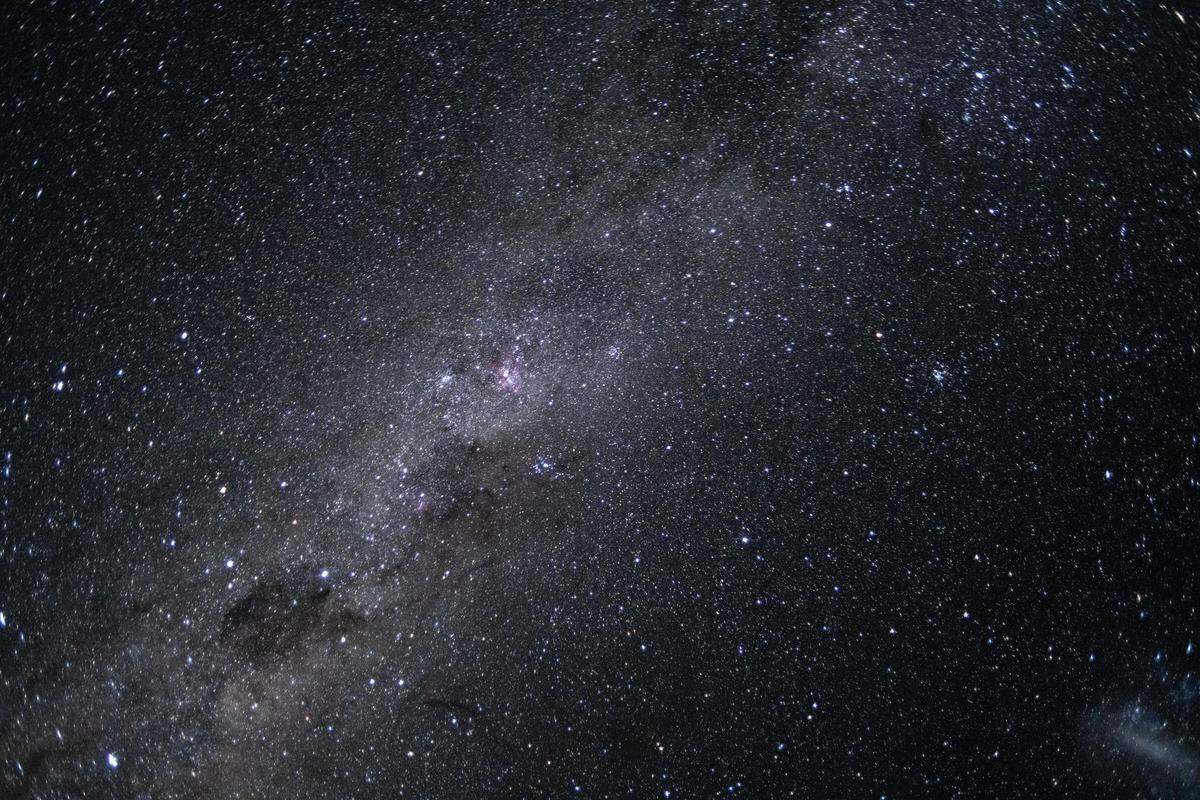
Are shooting stars actually stars?
Although they’re known as shooting stars, meteor showers aren’t actually stars, according to the National History Museum in London.
“Nearly all meteors are tiny dust particles” about the size of grains of sand travelling through space, the British museum said.
“When comets come around the Sun, they leave a dusty trail behind them,” NASA said. “Every year Earth passes through these debris trails, which allows the bits to collide with our atmosphere where they disintegrate to create fiery and colorful streaks in the sky.”
The bits of space debris that interact with Earth’s atmosphere to create the Lyrids originate from comet C/186 Thatcher, discovered in 1861, NASA said.
When are best times to see the meteor shower?
According to NASA, the Lyrid meteor shower will reach peak visibility overnight — with the best viewing conditions after the moon sets on Tuesday, April 21, and before dawn on Wednesday, April 22.
The moon will set at around midnight on Tuesday, with the sun rising at 6:15 a.m. Wednesday, according to TimeandDate.com.
You can expect to see 10 to 15 Lyrids per hour, according to EarthSky.
What’s the best way to watch shooting stars?
According to National Geographic, you can find the best conditions for stargazing by getting away from city lights and heading toward clear skies with a lack of light pollution.
Areas with unobstructed views of the horizon, such as mountains or deserts, are good locations to see a full sky.
You can spot the Lyrid meteor shower in the sky near the Lyra constellation and the star Vega, according to Space.com.
Let your eyes adjust to the darkness for at least 20 minutes and avoid going on your phone as the bright light “will reset your night vision,” Space.com said.
If you are laying down, have your feet face east.
“Be patient — the show will last until dawn, so you have plenty of time to catch a glimpse.” NASA said.
This story was originally published April 21, 2026 at 11:33 AM with the headline "Lyrid meteor shower peaks soon in California sky. Here’s when to look up."