What does it take to be a master gardener? Requirements, volunteer hours and fees
Looking to hone in your gardening skills with volunteerings, top notch education and a chance to teach your community how to take advantage of their backyards?
If yes, then consider becoming a Master Gardener.
California has 52 master gardener programs through the University of California Agriculture and National Resources. UC Master Gardener volunteers offer services and outreach to the public in more than 1,286 demonstration, community and school gardens in the state, according to the UC Master Gardener Program site.
Get your hands dirty with soil and join the over 6,100 active volunteers in the state.
Here’s what to know:
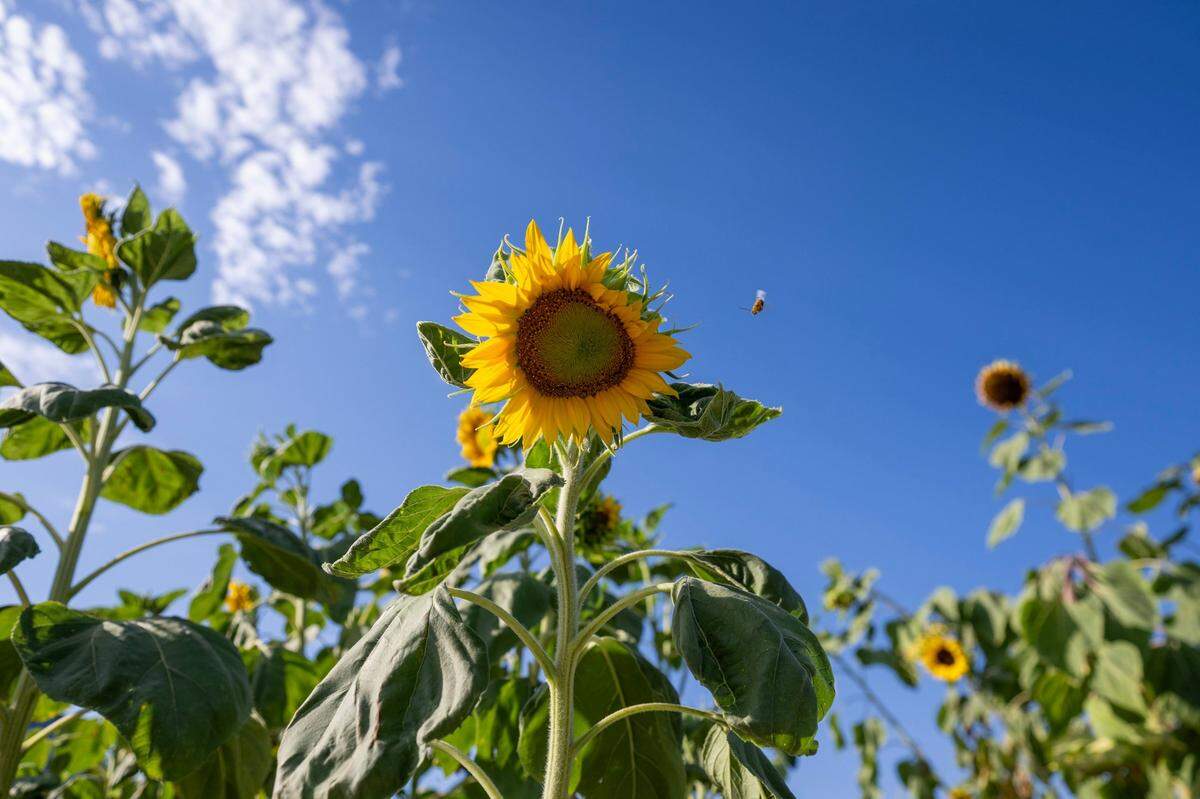
What is a master gardener?
A master gardener is a member of the local community who volunteers in maintaining local gardens and teaches new gardeners skills in order to maintain their own gardens.
In order to become a master gardener, individuals must complete intensive horticultural training, typically available through universities, per the American Horticulture Society.
Master gardener programs have been in existence throughout the country for more than 50 years. In California, the UC Master Gardener community started in 1980 and has helped deliver University of California research directly to Californians who share a passion for gardening and environmental stewardship, according to the UC Master Gardener Program.
“Master gardeners often become indispensable volunteers in their communities—creating gardens, conducting research, giving lectures, and contributing to other local horticultural efforts,” according to the American Horticultural Society.
Can you be a master gardener candidate in Sacramento County?
Gardening is for everyone however there are qualifications needed to be considered a master gardener candidate. Requirements to obtain a license depend on the area of the program and all interested gardeners should research the particular qualifications needed in their area.
- Applicants must be residents of the county they will be receiving the classes from.
- Candidates should possess a history of volunteering, a desire to teach gardening skills to others.
- Candidates should possess a basic knowledge of landscaping and food gardening.
- Candidates must possess an interest in increasing their horticultural knowledge and skills.
- Candidates must also meet the following application requirements:
- Submit a completed application
- Attend a Meet the Master Gardener orientation session
- Attend a 20-minute interview
- Certain counties require a background check or fingerprinting in order to become a master gardener
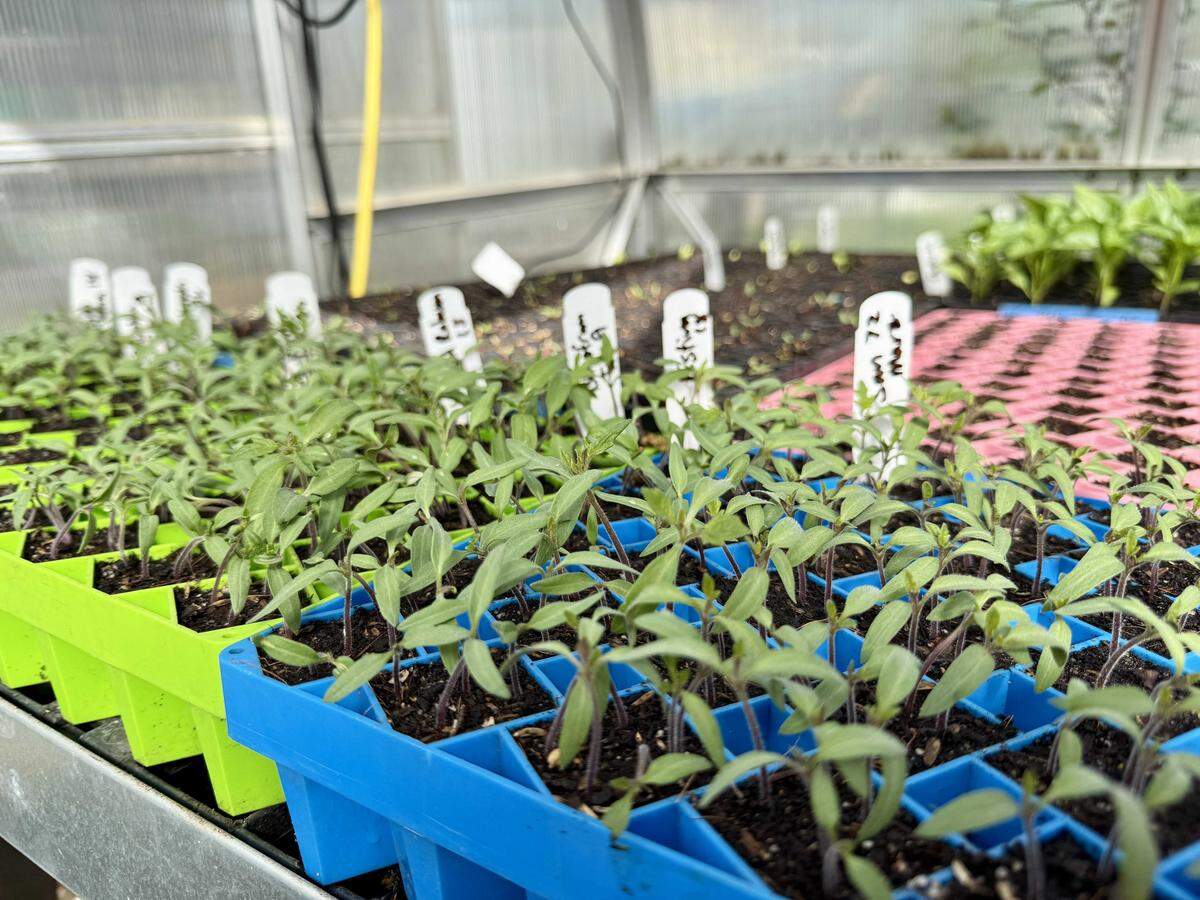
What do you learn in master gardening classes?
Master gardening classes are taught by University specialists, horticulture advisors and community experts to provide students a well rounded and extensive knowledge on gardening practices. Topics covered include:
- Basics of soil
- Irrigation and fertilization
- Water conservation
- Identification and control methods for insects
- Diseases and weeds
- Proper care of vegetables
- Fruit and landscape trees
What are the commitments master gardeners are expected to have?
After completing all classes and requirements master gardeners are expected to maintain a certain level of commitment in order to have their license active. They’re expected to do 50 hours of community volunteer work within the first year of their certification.
UC-approved volunteer opportunities for master gardeners to extend university research-based information to the gardening community in Sacramento County include:
- Conduct workshops, diagnose plant problems, and speak to community groups.
- Offer advice over the phone and with social and mass media.
- Complete 12 hours of continuing education and attend monthly meetings on the second Tuesday of each month.
- Submit monthly records of volunteer activities and contacts.
After the first year, master gardeners must do 25 hours of community volunteer work and complete 12 hours of continuing education.
.jpg "Galt3 (1).jpg")
How much does it cost to become a master gardener?
Applicants accepted to the program are charged a non-refundable fee that covers the cost of resource books, classroom materials and speaker expenses.
Gardeners can expect a fee of around $310 depending on the requirements of the specific program they are taking. A limited number of needs-based scholarships are available in certain counties, according to the UC Master Gardener Program of Alameda County.
Can you lose your master gardener license?
Yes, you can. Gardeners can lose their master gardener license if they are unable to maintain their annual volunteer commitments and complete their hours of continuing education.