
Deadly dog illness locks down California shelter. What to know about parvovirus
A canine parvovirus outbreak has partly shut down a California animal shelter, officials said.
The Calaveras County Animal Services shelter will not be accepting dogs for the next 14 to 21 days, officials said in a Monday post to Facebook.
A number of dogs impounded Saturday from the Rail Road Flat area are ill with canine parvovirus, which is extremely contagious among dogs, officials said.
The shelter encouraged people who find stray dogs to make other arrangements to find their owners, such as posting fliers or taking them to a veterinarian to be scanned for a microchip.
The shelter will remain open for adoptions, however. In a comment, shelter officials said many dogs already at the shelter are vaccinated against canine parvovirus.
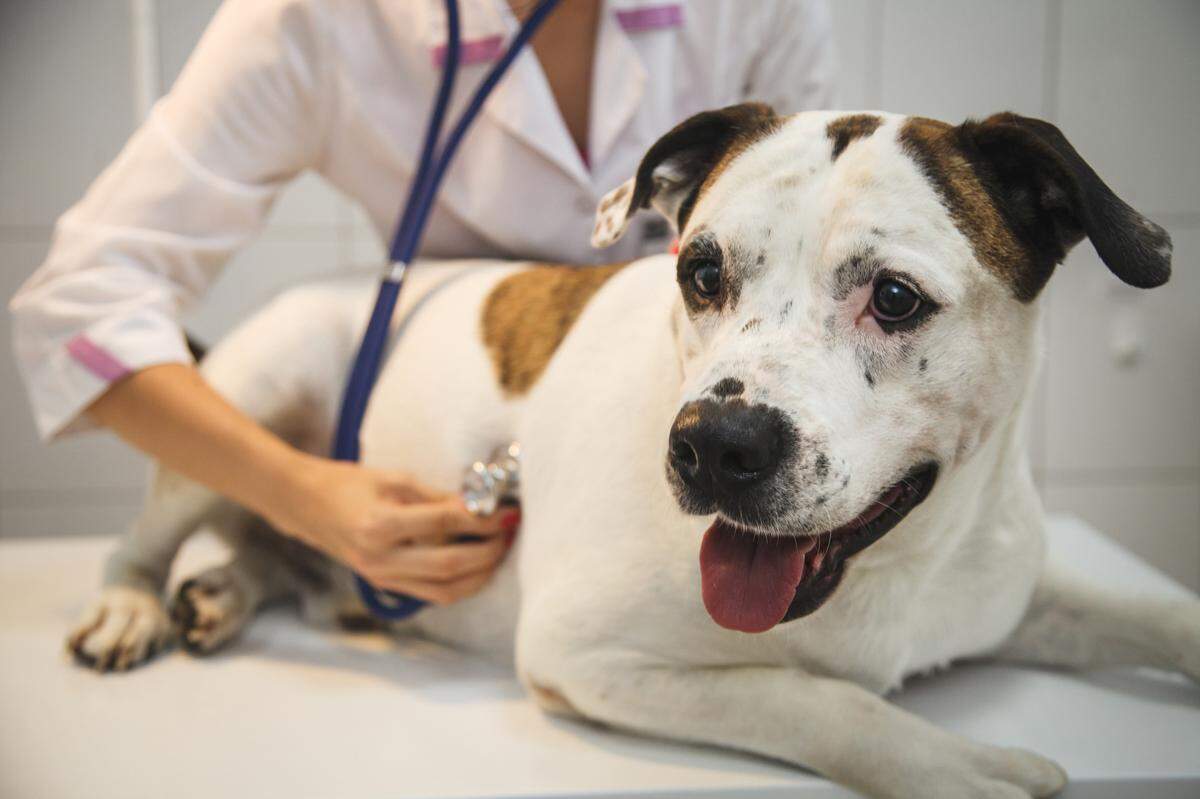
Humans can’t catch the canine version of the virus, but it can cause serious illness and death in dogs, WebMD said. There is a version of the virus that only affects humans, however.
Calaveras County is about 80 miles southeast of Sacramento.
Here’s what to know about canine parvovirus:
What is canine parvovirus?
Canine parvovirus, commonly called “parvo,” is a highly contagious disease among dogs, the American Veterinary Medicine Association said.
The virus “attacks white blood cells and the gastrointestinal tract of dogs and other canids like coyotes, wolves, and foxes,” the association said. It can cause heart damage in puppies.
It destroys intestinal villi, which are “small finger-like projections in the intestine that absorb nutrients,” the Idaho Veterinary Hospital said.
The first recorded cases of canine parvovirus were in Europe in 1976, but the virus spread worldwide by 1978, the Cornell University College of Veterinary Medicine said.
There is a vaccine for canine parvovirus.
What are the symptoms of canine parvovirus?
Early signs of canine parvovirus in dogs include lethargy, lack of appetite and fever, PetMD said.
As the virus progresses, dogs may suffer from abdominal pain, vomiting and diarrhea. Puppies with parvo may collapse, have a high heart rate, have difficulty breathing, have low white blood cell counts, be hypothermic or be hypoglycemic.
What dogs are at risk for canine parvovirus?
All dogs can catch canine parvovirus, but puppies ages 6 to 20 weeks and unvaccinated dogs are most at risk, the American Veterinary Medicine Association said.
Rottweilers, Doberman pinschers, bull terrier breeds, German shepherds and English springer spaniels also are most at risk, the association said.
How does canine parvovirus spread?
Canine parvovirus spreads through “direct contact with infected dogs or contaminated environments,” Advanced Animal Care said.
Infected dogs shed the virus in their feces, and other dogs can pick it up by sniffing, licking, or coming into contact with the contaminated feces, the clinic said.
“The virus can live in soil, on surfaces, and in contaminated areas for months to years,” experts said, meaning dogs can catch it from the ground, too. It doesn’t require dog-to-dog contact.
While humans can’t catch parvovirus, they can spread it to dogs on their clothes or shoes.
How do you treat canine parvovirus?
There’s no specific cure for canine parvovirus so most treatment involves caring for the puppy or dog so it can fight off the virus, PetMD said.
Aggressive veterinary treatment is crucial to an infected pet’s survival.
Treatment can include hospitalization with intravenous fluids, antiemetics to stop vomiting, focus on nutrition, with a feeding tube, if necessary, correction of any electrolyte imbalances or low blood glucose and possibly a monoclonal antibody, the site said.
While home care has a lower survival rate, if you must treat your dog at home, follow these tips:
- Strict Isolation: Keep the dog away from other dogs.
- Hydration: Administer subcutaneous fluids as prescribed by a veterinarian.
- Medication: Administer all medications (anti-nausea, antibiotics) exactly as prescribed.
- Feeding: Offer small, bland meals.
How can you prevent canine parvovirus?
“Vaccination is the cornerstone of parvovirus prevention in shelters and communities,” the UC Davis School of Veterinary Medicine said.
The canine parvovirus vaccine is effective against all strains of the disease. All dogs and puppies over four weeks old should be vaccinated, the school said.
Also, limit your puppy or unvaccinated dog’s exposure to other dogs, The Animal Foundation advised. When visiting your vet, carry your puppy and keep it on your lap to avoid possible contact with the virus on the floor.
“If you work or spend time in places where you have contact with dogs, change your clothes and shoes before returning home to your dog or puppy,” the foundation said.
If your dog or puppy becomes ill with parvovirus symptoms, get veterinary care immediately.
This story was originally published April 28, 2026 at 1:03 PM.