What bit me? These stinging, blood-sucking bugs are common in California
With the weather getting warmer in California, you may be spending more time outdoors in nature.
Higher temperatures also tend to bring out bugs looking to feed.
California is home to a host of biting, stinging and blood-sucking insects and arachnids that you might encounter hiking on trails, swimming in rivers or barbecuing in your backyard.
These critters can be found across the Golden State:
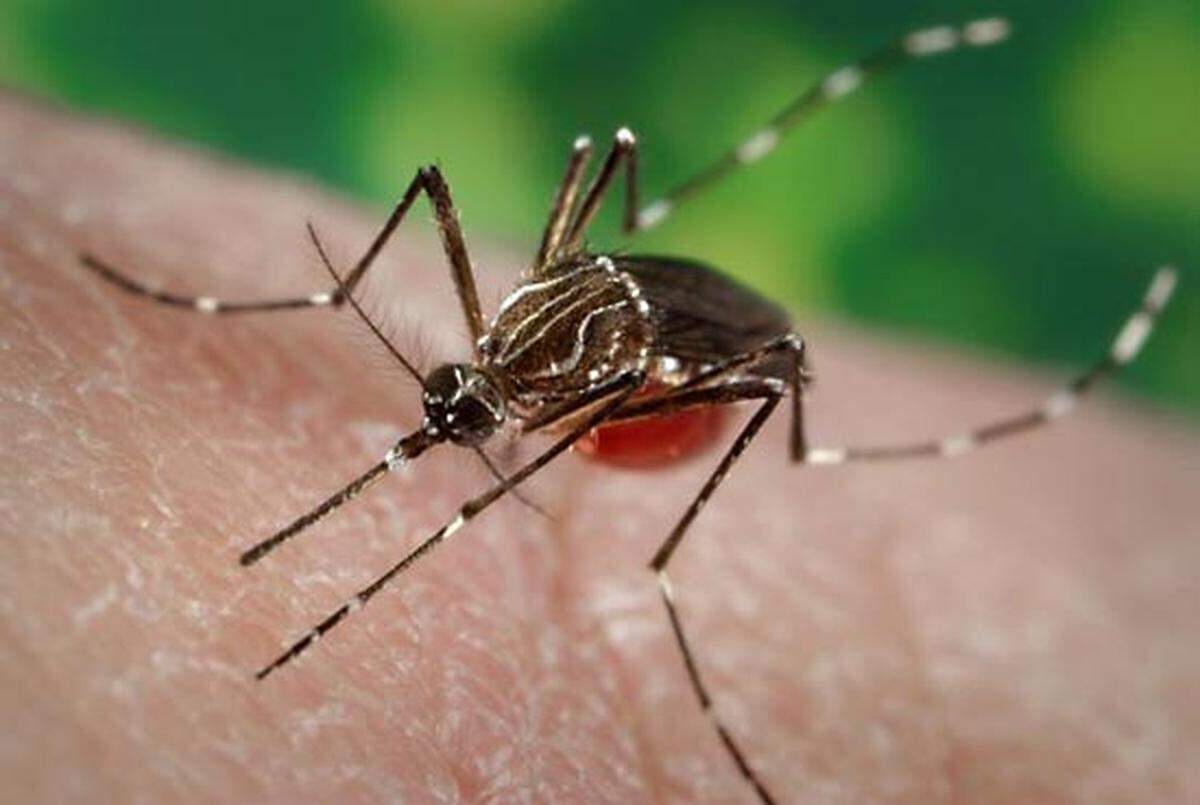
How common are mosquitoes in California?
California is home to more than 50 mosquito species, including native species, according to the Alameda County Mosquito Abatement District.
According to the California Department of Public Health, two invasive mosquito species can be found throughout the state, including in the Central Valley and Southern California.
Both species — Aedes aegypti, the yellow fever mosquito, and Aedes albopictus, the Asian tiger mosquito — are small and black with white stripes.
Only female yellow fever mosquitoes bite during the day and can transmit viruses to the people they bite.
“California is experiencing an increase in diseases spread by mosquitoes, including West Nile virus and dengue,” the state Public Health Department said in 2024.
Since 2003, the West Nile virus has infected 8,000 people and killed 400 in California, the state Department of Public Health said.
In 2025, a total of 11 people died from West Nile virus in California.
When do biting midges emerge in California?
According to AAI Pest Control in Modesto, you’ll encounter two types of midges in California: biting and non-biting.
These tiny, gnat-like flies “emerge between mid-May through June in the Central Valley, when the ground begins to dry and crack,” AAI Pest Control said.
Midges typically live by water and travel in “extremely large groups,” the pest control company said.
When midges bite, a small welt can emerge that can be itchy and irritating. However, the bugs do not transmit any viruses.
People who are allergic to midges can suffer from pain for days, AAI Pest Control said.
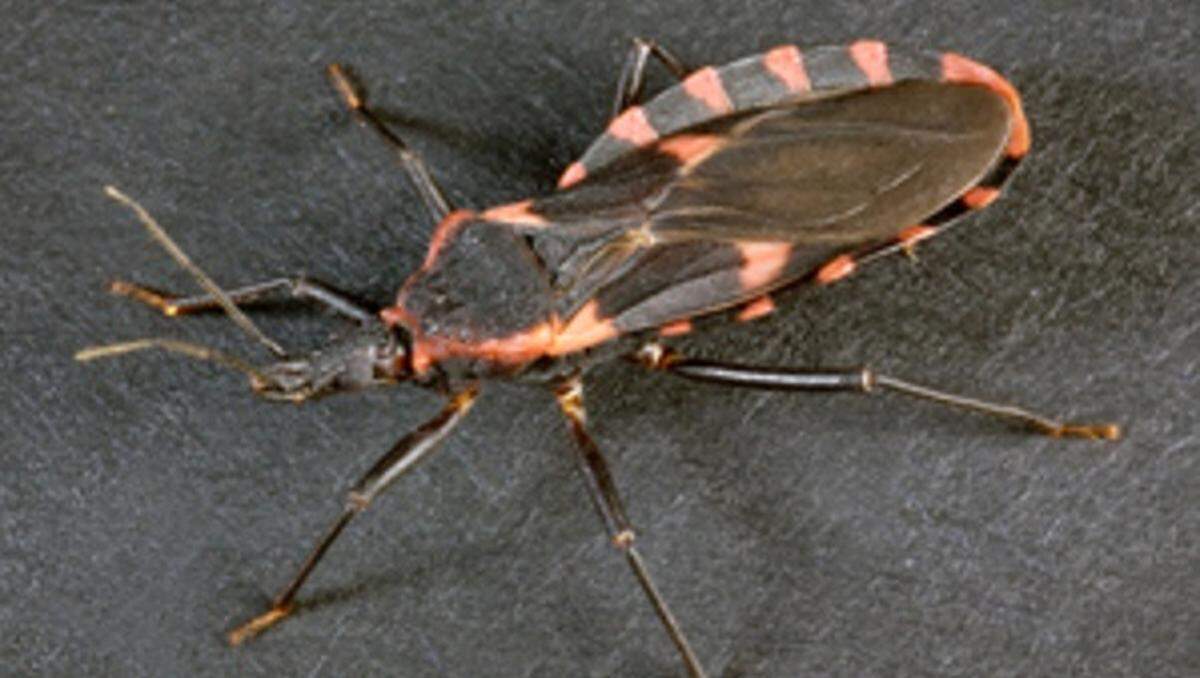
Do kissing bugs carry disease?
Kissing bugs, also known as cone-nose bugs, are native to California, according to the state health department.
Kissing bugs can be found in underdeveloped areas such as foothills and mountain regions. They spread a parasite that causes Chagas disease.
“You cannot get Chagas disease just from the bite of a kissing bug,” the California Department of Public Health stated. “The parasite that causes Chagas disease is found in the droppings of infected kissing bugs.”
In California, kissing bugs typically do not defecate while biting people.
However, you should not squish them because that could cause you to come in contact with contaminated bodily fluid, experts say.
How painful are black fly bites?
Black flies, also called buffalo gnats, are tiny, dark-colored flies found near flowing water in California, the Great Los Angeles County Vector Control District said.
Black fly bites are “painfully itchy,” the agency said.
“Females will attack incessantly around the eyes, ears, scalp and occasionally on the arms and exposed legs,” the Greater Los Angeles County Vector Control District said. “They do not transmit any diseases to humans in California but can cause extreme discomfort and irritation due to their biting habits and/or great numbers.”
Black flies are found in California from spring through fall, with activity peaking around the morning and early evening.
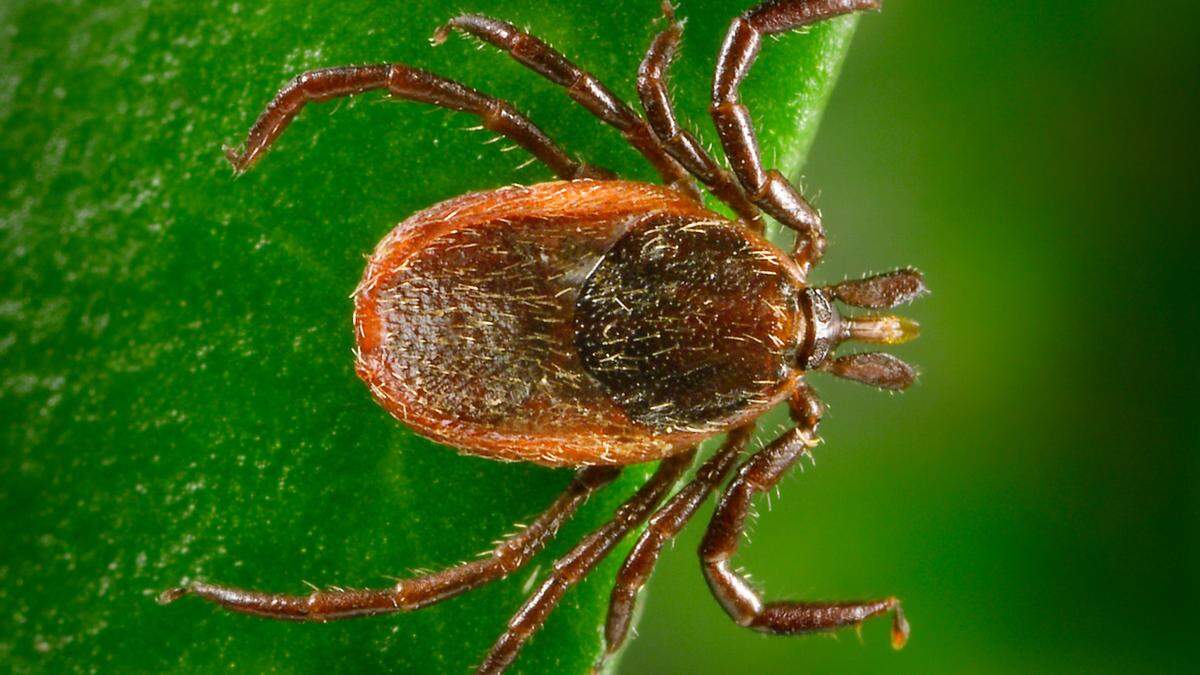
What are health risks from ticks?
More than half of California has established tick populations, according to data from the Center of Disease Control and Prevention.
“In the United States, ticks can spread bacteria, viruses and parasites that cause human diseases” through their bites, the CDC said.
Common tick-borne illnesses include Lyme disease and Rocky Mountain spotted fever.
Ticks live in grassy, brushy or wooded areas, the CDC said, so spending time outside camping, hunting, gardening or even walking your dog can bring you in close contact with the blood-sucking arachnids.
Ticks are most active during the warmer months, from April to September.
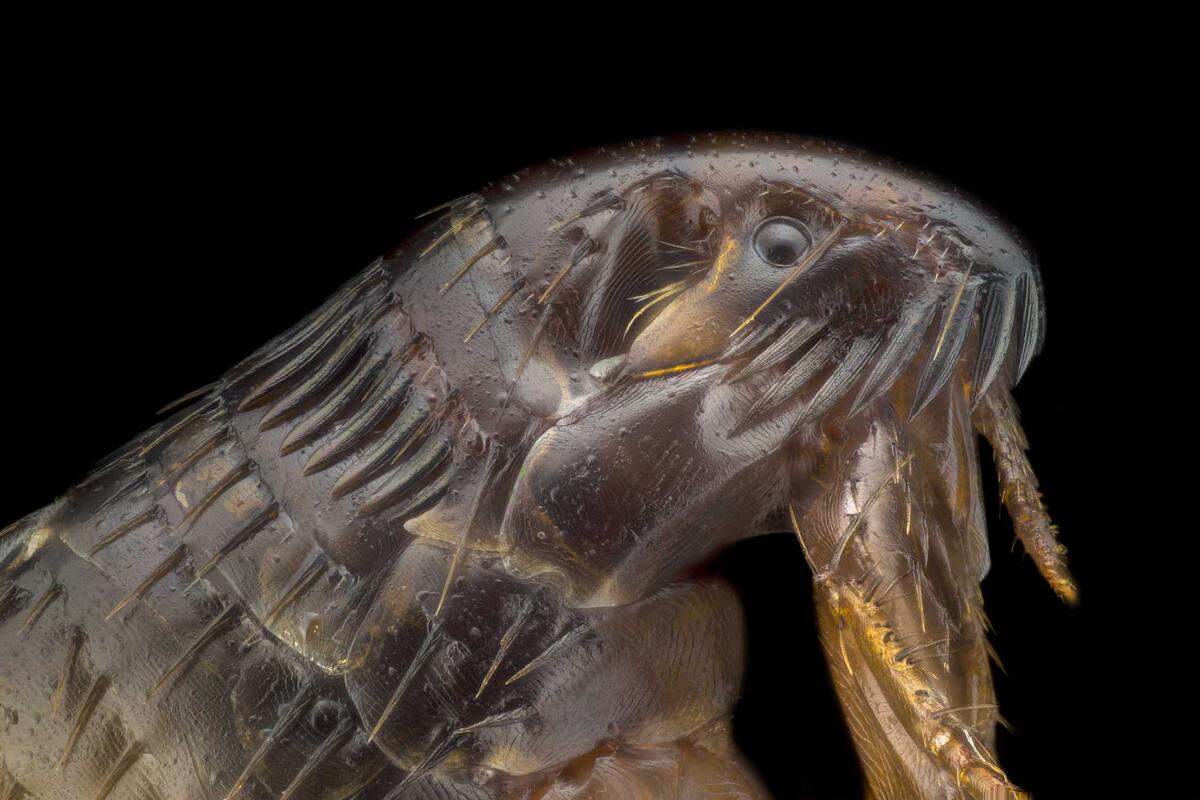
Do fleas spread disease?
“Fleas are annoying to people and pets, especially during spring and early summer when their numbers tend to increase dramatically,” University of California Agriculture and Natural Resources said.
A common flea species in California is the cat flea, which attacks dogs, cats and humans.
Fleas feed on animals and humans by sucking blood through the skin.
Fleas can pass the bacteria that causes typhus to pets and people, according to the California Department of Public Health.
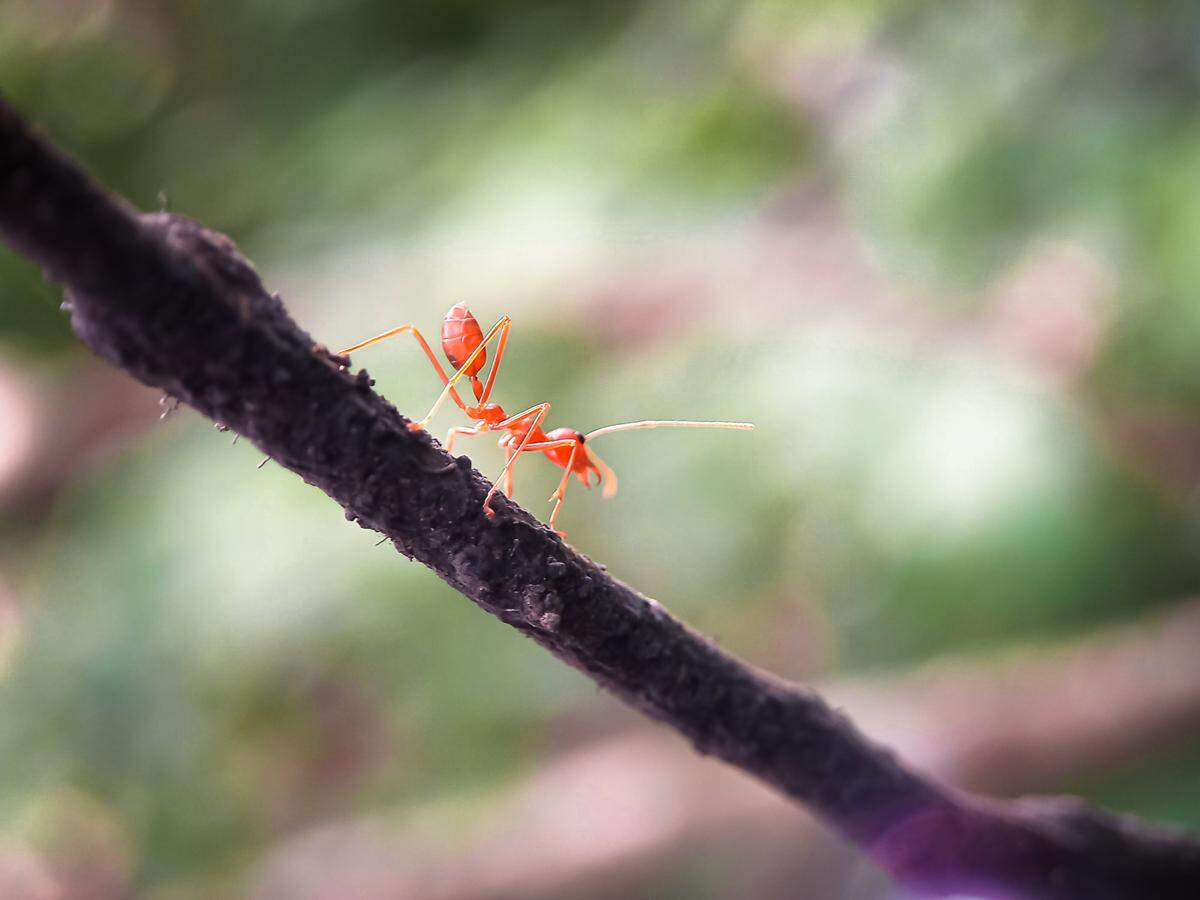
What do fire ant stings feel like?
Reddish black and brown fire ants can be found in California.
The aggressive insects build their nests beneath the ground in open areas including yards, fields, gardens and pastures, O’Connor Pest Control said.
When fire ants are disturbed, they attack in large numbers.
“The sting of a fire ant is similar to being burned. This is due to the ant’s venom, which has a high level of toxins,” the Southern California pest control company said, noting that their sting can be lethal to humans on “rare occurrences.”

What kinds of bees can I find in California?
Several bees species are found in California, including honey bees, bumblebees, carpenter bees, mining bees and sweat bees.
The insects range in appearance from fuzzy and stout to slender and shiny, according to The University of Berkeley Urban Bee Lab.
“Despite their occasional aggressive behavior, male bees of all species are stingless,” the bee lab said.
However, female bees can sting in self-defense.
“When a bee stings you, its stinger detaches from its body and sticks in your skin,” the Cleveland Clinic said. “The puncture of the stinger in your skin combined with bee venom causes symptoms that include pain and swelling.”
Some people experience a serious allergic reaction to bee stings that “can be life-threatening if left untreated,” the clinic said.
How should I treat a bug bite?
“Most insect bites and stings are mild and can be treated at home,” The Mayo Clinic said.
Start by gently washing the affected area with soap and water, and removing any stingers.
According to the Mayo Clinic, you can add a cold wet cloth or ice pack to the affected area for 10 to 20 minutes to reduce pain and swelling. If the bite or sting is on an arm or a leg, keep it elevated.
Calamine lotion, baking soda paste or hydrocortisone cream can be applied to your skin several times a day until symptoms go away.
You can also take antihistamines and pain relievers.
When should I see a doctor? Call 911?
The Mayo Clinic said you should see a healthcare professional if swelling gets worse, the site shows signs of infection or you don’t feel well.
Call 911 and seek emergency medical attention if you experience one or more of these symptoms:
- Trouble breathing
- Swelling of the lips, face, eyelids or throat
- Dizziness, fainting or unconsciousness
- A weak and rapid pulse
- Hives
- Nausea, vomiting or diarrhea