California moves a step closer to re-introducing grizzlies as bill advances
AI-generated summary reviewed by our newsroom.
- SB 1305 passed the Senate 29-9 and was sent to the Assembly.
- If reintroduction is feasible, SB 1305 directs Fish and Wildlife to develop a roadmap.
- SB 1397 passed the Senate unanimously and requires expanded, fully funded programs with a.
California would consider re-introducing and protecting grizzly bears while also expanding programs aimed at protecting residents from mountain lion attacks under two bills that advanced this week in the state legislature.
Taken together, the two measures highlight a growing tension in a state that prides itself on stewardship of the environment, as policymakers aim to protect threatened or endangered animals while also keeping people, pets and livestock safe.
California’s predator management programs have not been fully funded for several years, and the state’s top environmental official, Secretary of Natural Resources Wade Crowfoot, called attacks by protected wolves and other predators on cattle in the northern part of the state “a crisis.”
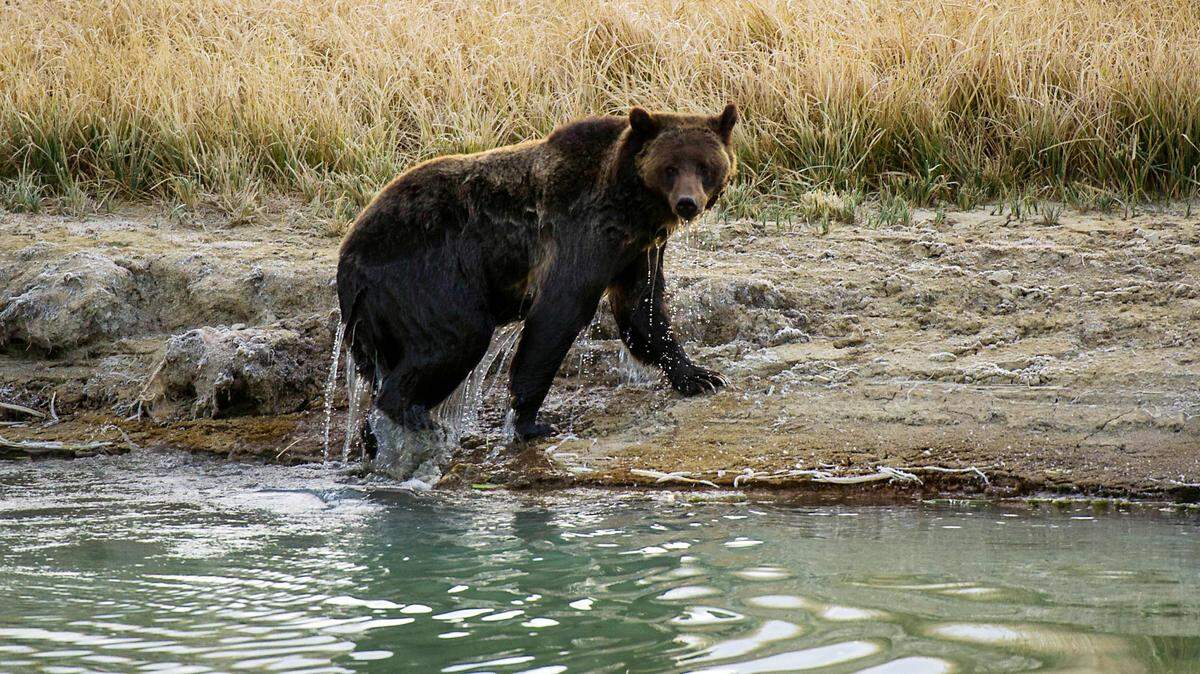
The grizzly bear is the state’s mascot, but the quarter-ton apex predators have been extinct in California for more than a century. In parts of the west where they do live, including the area around Yellowstone National Park, they are considered a threatened species with a population of about 1900 animals in the 48 contiguous states, according to the U.S. Fish and Wildlife Service.
The bill by state Sen. Laura Richardson, D-San Pedro, would require state wildlife officials to determine whether it is “feasible and advisable” to relocate some to California to try to re-establish populations here. If such a program is possible and can be done safely, the bill would direct the state Department of Fish and Wildlife to develop a roadmap to do so.
The measure, SB 1305, was amended earlier this year to reflect concerns from ranchers, residents and law enforcement officials that the bears would be introduced without a robust plan to protect public safety. In 2023, a 71-year-old Sierra County woman was killed and eaten by a black bear in her home in Downieville.
Richardson’s bill passed in the Senate on Wednesday on a vote of 29 to 9 on Wednesday and was sent to the Assembly.
Mountain lion bill
Another measure making its way through the legislature would require the state to expand and fully fund programs to reduce and respond to encounters between humans and mountain lions.
That bill, introduced by state Sen. Marie Alvarado-Gil as SB 1397, was developed after a mountain lion killed 21-year-old Taylen Brooks and severely injured his brother Wyatt, then 18, in El Dorado County.
Mountain lions are considered a threatened species in parts of Southern California and along the coast, but are thriving in wilderness areas in the northern part of the state, officials say.
Alvarado-Gil’s bill would require the state Department of Fish and Wildlife to report the results of its efforts to the legislature by 2031, including the number of staff working on the issue and any recommendations to further improve safety around mountain lions.
The measure passed unanimously on the Senate floor on Thursday and was sent to the Assembly.
Both measures advanced during the legislature’s final week to pass measures out of their houses of origin, meaning that they remain in play and could be passed later this year.