Is it better to leave my AC on when I’m not home? How to save in California heat
As parts of California prepare to swelter under a triple-digit heat wave, statewide forecasts predict a hotter-than-usual summer this year.
Temperatures are expected to climb well above 100 degrees across portions of Northern California and the Central Valley this week, with Sacramento forecast to reach as high as 102 degrees.
“Warmer temperatures could lead to increased electricity usage as customers often increase electricity usage to cool their homes,” Pacific Gas and Electric Co. wrote in a statement to The Sacramento Bee.
This “could increase their electric bills compared to other times of the year,” PG&E said.
Is it cheaper to leave your air conditioner running while you’re away from home?
Here’s what energy experts said can help you save money during the California heat:
BEHIND THE STORY
MOREWhy we did this story
Our community-driven series — How to California — is here to answer your questions about state laws, history, culture, recreation and travel in the Golden State.
McClatchy’s service journalism team, focused on helping our readers navigate daily life, works in communities across the state, including San Luis Obispo, Fresno, Merced, Modesto and Sacramento.
Ask us your questions — big and small — by emailing howtocalifornia@mcclatchy.com or filling out a form here.
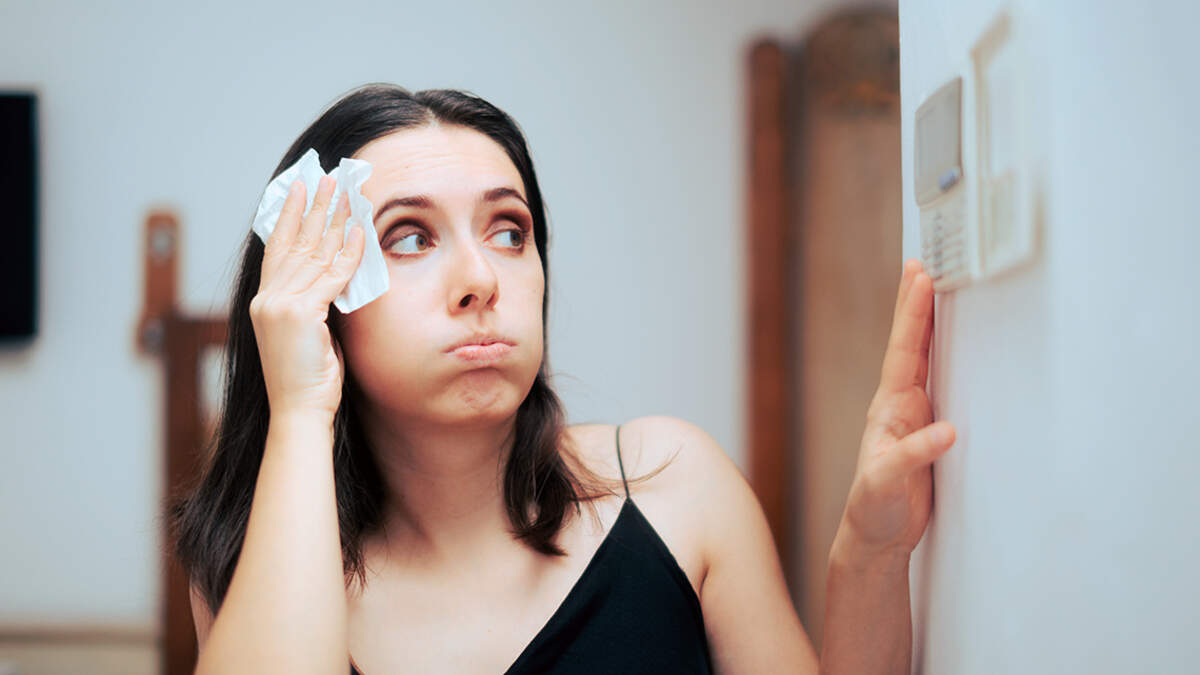
Should I keep AC running while away from home in California?
According to PG&E, it’s better to turn off your AC unit if you'll be gone for an extended period of time.
“PG&E recommends setting your AC higher or off when you’re away, rather than running it all day,” the utility company said on its website.
If you have a smart thermostat, you can schedule your AC to switch on about half an hour before you return to pre-cool your home.
“Consider using a programmable or smart thermostat, which lets you cool (or heat) your home when energy demand is lower and costs are typically reduced,” PG&E said.
According to PG&E, smart thermostats can save the average California customer between $50 and $78 per year.
What if I’m only leaving the house for a few hours?
Turning the AC off completely might not be the most efficient option if you need to step out for only a few hours.
The Sacramento Municipal Utility District recommends raising the thermostat by 5 to 8 degrees when you’ll be away for less than four hours.
“You’ll save around 5% to 10% on cooling costs for every two degrees you raise the temperature,” SMUD said.
What is the best thermostat setting to save money, energy?
Setting your thermostat to 78 degrees during hot weather can help reduce cooling costs while keeping your home comfortable.
According to the U.S. Department of Energy, homeowners can save up to 10% a year on cooling costs by adjusting their thermostat 7 to 10 degrees from its normal setting for about eight hours a day.
When should I limit electricity use?
In addition to adjusting the thermostat, energy experts recommend reducing electricity use during peak-demand hours, when rates are often highest.
“Electricity use is highest in the late afternoon and evening,” PG&E said.
Both PG&E and SMUD said customers should limit energy use between 5 p.m. and 8 p.m. through Sept. 30, when summer rates are in effect.
Do shades and curtains actually keep homes cool?
Blocking direct sunlight into your home can also help reduce cooling costs.
Closing blinds, shades and curtains during the hottest part of the day can keep indoor temperatures lower and reduce the strain on your air conditioner, according to SMUD.
“Sunlight passing through windows heats your home and makes your air conditioner work harder,” PG&E said.
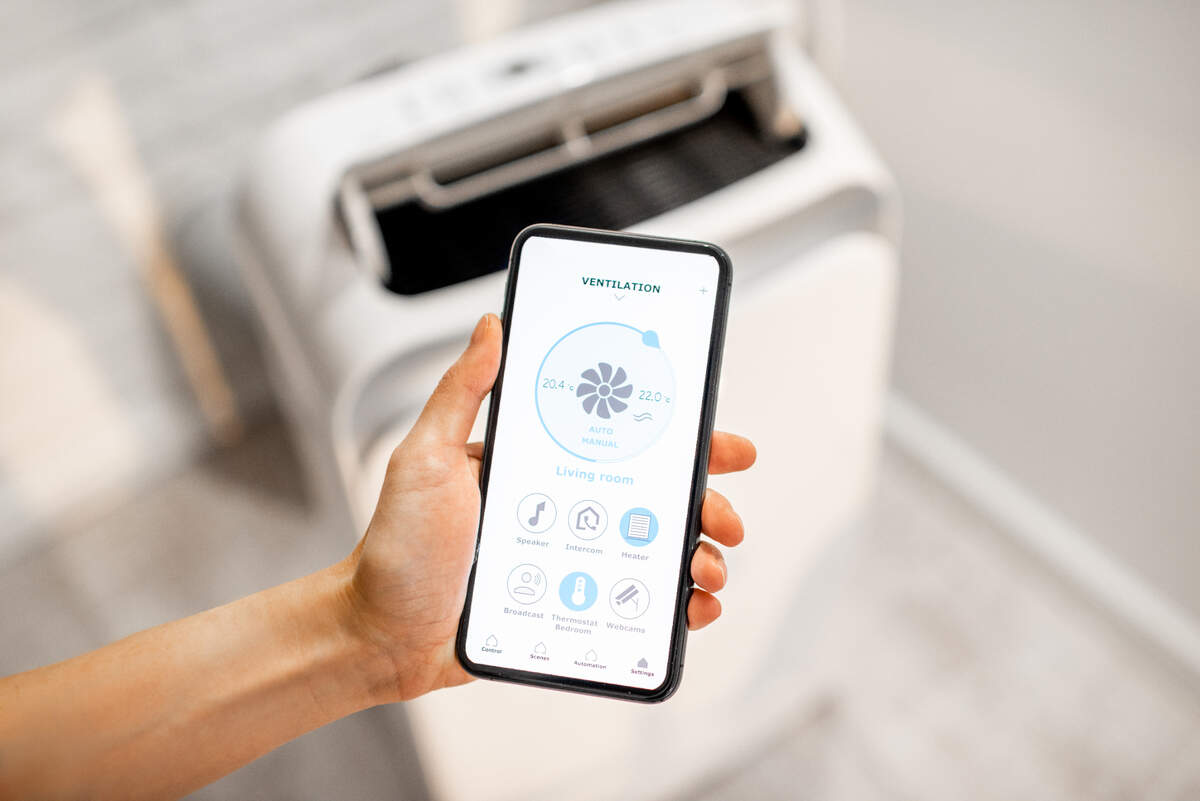
How can I keep my home cool while saving on costs?
According to the U.S. Department of Energy, other energy-saving tips include:
- Keeping air vents clear, so your system can work efficiently.
- Using fans to cool your home.
- Unplug devices when not in use.
- Cleaning HVAC filters every month during peak cooling or heating seasons.
- Sealing air leaks by replacing old caulking and adding weatherstripping around windows and doors.
- Checking insulation and replace any that’s damaged to help keep cool air inside.
- Do energy-intensive chores, such as washing dishes and laundry, until off-peak hours.
- Inspecting your equipment often to make sure everything’s working properly.
Avoid these common electricity-wasting mistakes
“During hot weather, there are a few common energy myths that can increase energy use and costs,” PG&E said.
According to PG&E, these include:
- Lowering the thermostat to 60 degrees cools your home faster.
- Keeping fans running in empty rooms.
- Devices that are plugged in but turned off don’t use energy.
- Saving energy requires expensive home upgrades.