
How will end to Iran war affect California gasoline prices? Here’s what to know
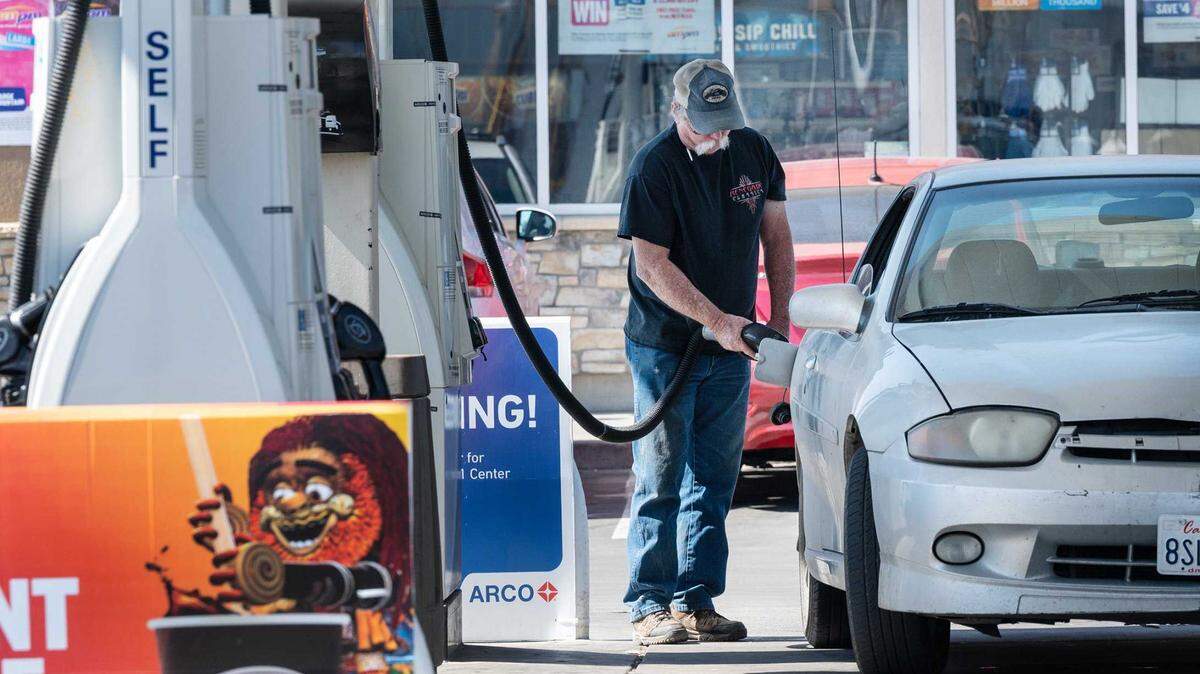
Consumers are hoping for some relief at the pump following the announcement of a deal to end the war in Iran, but it’s unclear how much gas prices may ultimately drop, experts said.
The United States and Iran announced a framework Sunday for a deal to reopen the Strait of Hormuz to oil tankers following signing of a formal deal on Friday.
But experts said that while the deal could ease inflationary pressure, it will not mean an immediate return to pre-war oil reserves and gasoline prices.
“Once there is a deal signed, that is not the end of the road. That is actually the beginning of a lengthy logistical process of restoring the oil supply from the Persian Gulf,” Pavel Molchanov, a Raymond James senior investment strategist focused on energy, told MarketWatch.
In addition, summertime generally always brings a seasonally higher demand for gas as vacationers hit the road.
Here’s what to expect:
Where are oil and gas prices now?
Oil prices dropped to about $80.40 per barrel Monday on the West Texas Intermediate futures price. That’s a 5% drop, marking the lowest price since March 5 — a week after the outbreak of the Iran war, according to MarketWatch.
The average price for a gallon of gas in California on Monday fell to $5.69, a 16.7-cent drop over the past week, GasBuddy said.
Across the U.S., consumers are paying an average of $3.99 per gallon at the pump, down 9.3 cents from a week ago, the app said. But that’s still 91.1 cents per gallon higher than a year ago.
U.S. and international stock markets jumped on the news of a deal, NBC News said.
Will the deal hold?
Previous announcements of potential deals to end the fighting have curbed prices and juiced markets, but this time experts hope the pact holds true.
Both Iran and the United States have incentives to carry through a final agreement, National Public Radio said.
“Washington has an incentive to avoid a spike in gasoline prices ahead of the midterms, while Tehran is seeking sanctions relief and restored export revenues, and the global economy has a strong interest in keeping the Strait of Hormuz open,” wrote Claudio Galimberti, the chief economist for the research firm Rystad Energy, NPR said.
What are the long-term prospects?
Consumers are hoping the news means further drops in prices. But don’t expect a quick return to pre-war gasoline prices, NBC News warned.
“Many important lessons were learnt through nursery rhymes and the fact that you can’t put an egg back together after a fall is one of them,” Société Générale strategist Kit Juckes wrote, the network said.
Kevin Book, a managing director at Clearview Energy Partners, an independent research firm, told NPR it “could be months” before things return to normal in the Strait of Hormuz.
“The facilities that have been shut down, some of them can start fairly quickly. Others may take months,” he said. It also takes time for oil tankers to travel to the United States.