Stress levels along two CA faults are highest in past 1,000 years. What it means
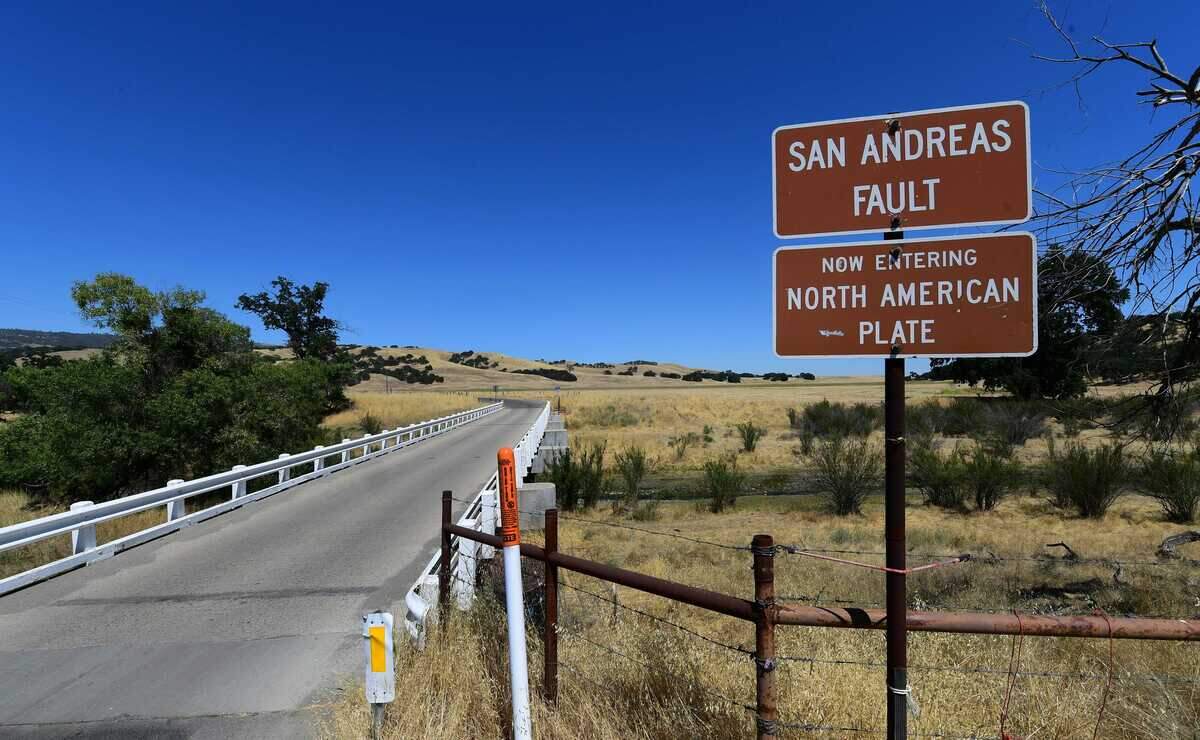
Southern California could be inching closer to the kind of major earthquake scientists have long expected, according to new research showing stress continues to build along two of the state’s most dangerous fault systems.
Last week’s magnitude 5.6 earthquake in Mendocino County served as a reminder of California’s seismic risk. Nearly 657,000 early-warning alerts were sent through the MyShake app. The quake knocked out power to about 8,000 Pacific Gas & Electric customers, injured several people and caused thousands of dollars in damage to local businesses as merchandise was shaken from store shelves.
Now, imagine an earthquake more than 125 times stronger. Scientists say such a quake could threaten nearly 24 million people, along with some of Southern California’s most densely populated communities and critical infrastructure, including greater Los Angeles and the Inland Empire, according to a study published June 3 examining stress accumulation along the southern San Andreas and San Jacinto faults.
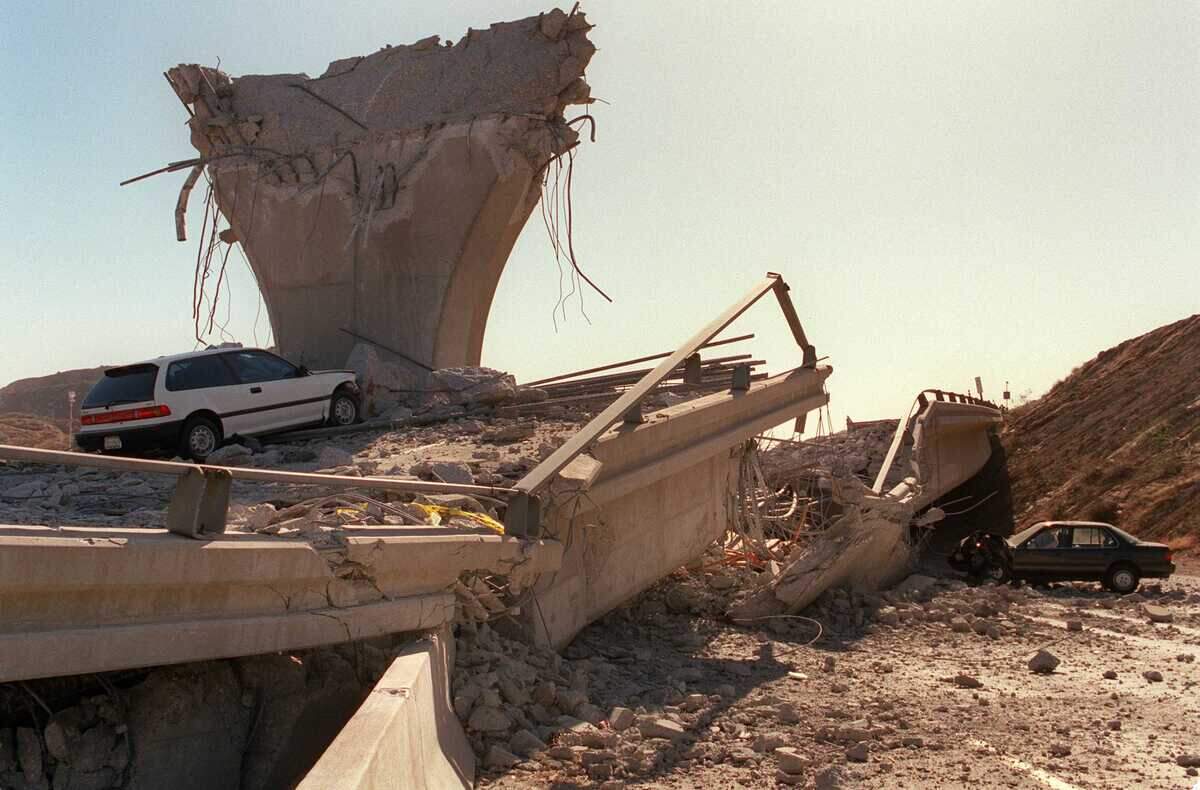
“We have been lucky in California not to experience a large urban earthquake since 1994 on Northridge,” said Ahmed Elbanna, director of the Statewide California Earthquake Center and professor of earth sciences and engineering at the University of Southern California who was not involved with the study.
The scientists used computer simulations of earthquakes over the past 1,000 years to determine how stress accumulated along three fault segments of the southern San Andreas and San Jacinto faults.
The simulation found that stress on two of the three fault segments had reached or exceeded the highest levels seen during the past 1,000 years.
“In order to release the stresses, the stress levels that we are talking about in this study, we need a magnitude 7 or larger earthquake,” Elbanna said.
Although scientists cannot predict exactly when earthquakes will occur, the scientific community already had reached a consensus that the region would experience a large earthquake someday, even before the study was published.
“The authors themselves, and the community, do not find the findings of the study surprising,” Elbanna said.
Instead, he said, the paper reinforced what seismologists already knew — that Southern California’s crust is “critically stressed and ready to rupture in a large-sized event. Whether that event would happen tomorrow, or in 10 years, that’s the part that we don’t know.”
What the new study does provide is a numerical estimate of the stress in the fault system, said Michael Oskin, a professor of geology at UC Davis who was not involved with the study.
“It’s an important step forward to do that, to integrate the history with the model to produce at least an understanding of where we are relative to the past,” he said.
The researchers started their study by building on previous observations that the southern San Andreas and San Jacinto faults had not produced a major earthquake in the Los Angeles region in almost 170 years, despite geologic records suggesting that large earthquakes typically occur about once per century.
They then built a physics-based simulation modeling the long-term accumulation of stress along three segments of the southern San Andreas and San Jacinto faults over the past 1,000 years. The simulation was built on 1,000 years of earthquake data collected through radiocarbon dating of sediments, tree-ring records and historical accounts.
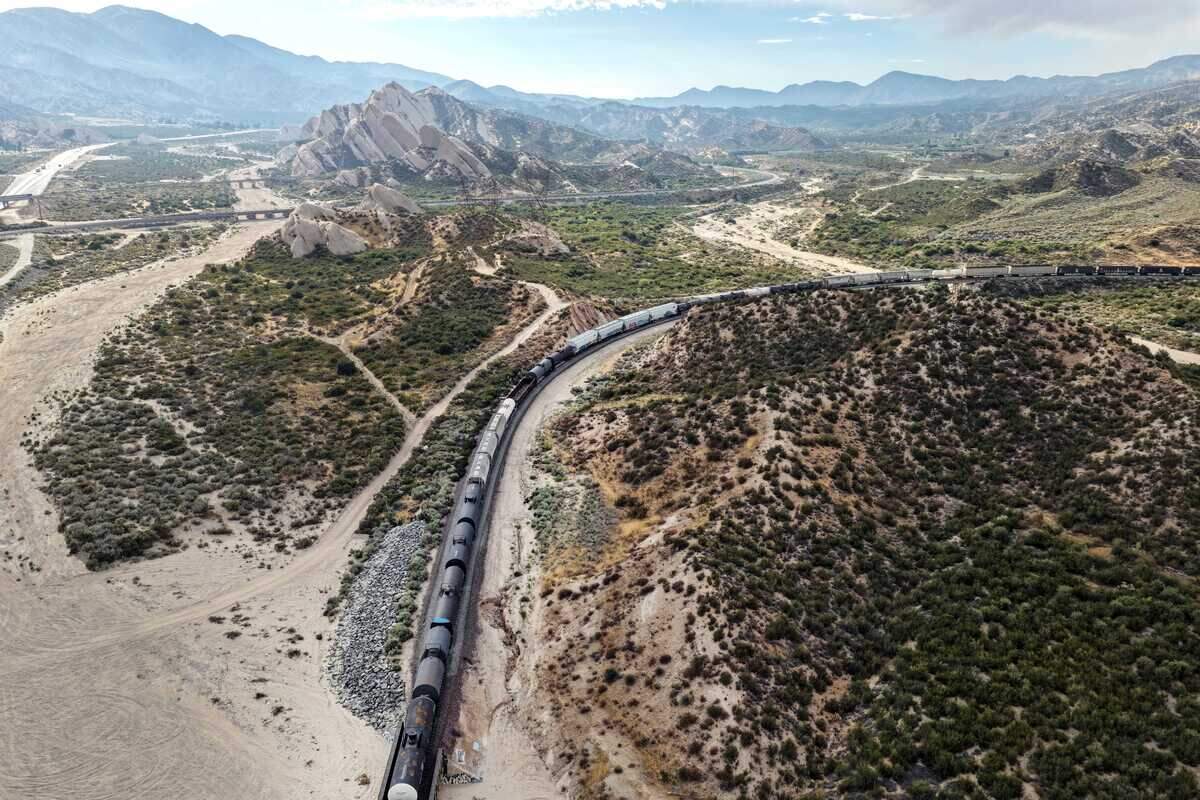
A crucial component of the scientists’ work was analyzing the role of Cajon Pass — where two mountain ranges come together and the San Andreas and San Jacinto faults meet in San Bernardino County — in earthquakes that affect the south state.
In addition to being geologically important, Cajon Pass “is a chokepoint for major highways, rail lines and energy infrastructure, so disruption there would have consequences well beyond the immediate shaking,” said Liliane Burkhard, the lead author of the study and professor of space research and planetary science at the University of Bern in Switzerland.
“It could affect transportation and energy corridors that the broader region depends on,” she said.
The pass is what the scientists call an “earthquake gate,” a meeting point between two tectonic plates that makes the fault system more complex and plays a role in determining whether an earthquake continues to propagate along a fault or stops.
Elbanna explained that an earthquake that propagates through the Cajon Pass could result in more damage than one that stops.
If the earthquake continues along the fault through the pass, “the area that’s going to experience the shaking would be larger,” the number of people exposed to the quake would be larger, and “the cascading disruption and risk would be amplified,” he said.
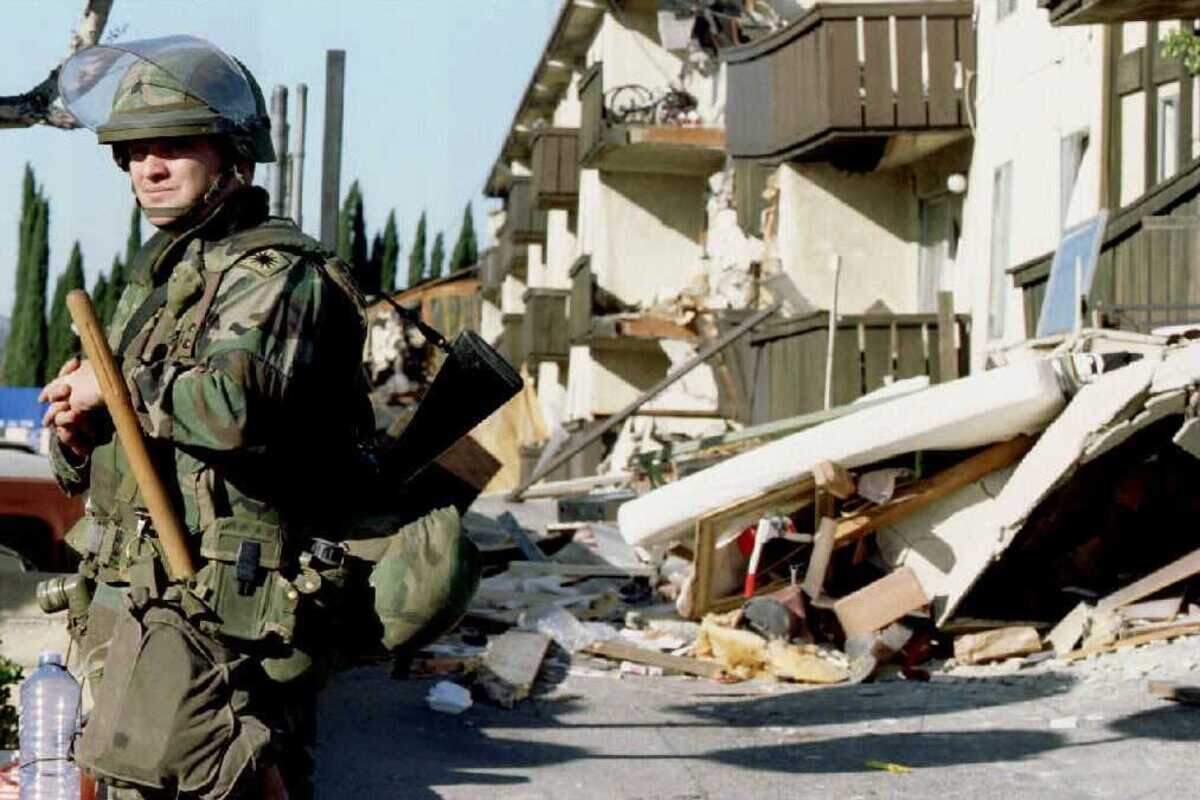
Angie Lux, a seismologist at the Berkeley Seismology Laboratory, said that although scientists anticipate a high-magnitude earthquake, California’s buildings are engineered to standards meant to prevent extensive damage.
“You might see cracks or have things falling down, but the structures themselves should not fail,” she said.
Elbanna said it is important to continue developing technology that can help regions prone to earthquakes, including California, better prepare. Scientists still cannot predict exactly when earthquakes will occur. Nevertheless, advancements in computational power and the ability to process larger amounts of data have allowed researchers to construct more sophisticated physical models to test hypotheses, he said.
“I think the study is a reminder that we live in earthquake country,” he said. “We need to invest in the resilience of our communities to be prepared for the impact that they will produce.”