California is home to 5 ‘rattlesnake hotspots.’ Here’s where to find them
Ever encounter a rattlesnake?
The venomous snakes are a familiar sight across California.
In fact, the Golden State is home to five “rattlesnake hotspots,” according to WorldAtlas.
“California’s sheer size and ecological diversity make it prime territory for rattlesnakes, from its rolling coastal hills and inland valleys to deserts and remote grasslands,” the educational website said.
Learn where you can expect to find rattlesnakes, and how to protect yourself:
When are rattlesnakes active in California?
Snakes are most active from April to October, according to the U.S. Forest Service.
California is home to seven species of rattlesnake.
The most common is the western rattlesnake, which can be found from sea level to elevations of 7,000 feet, according to the California Department of Fish and Wildlife.
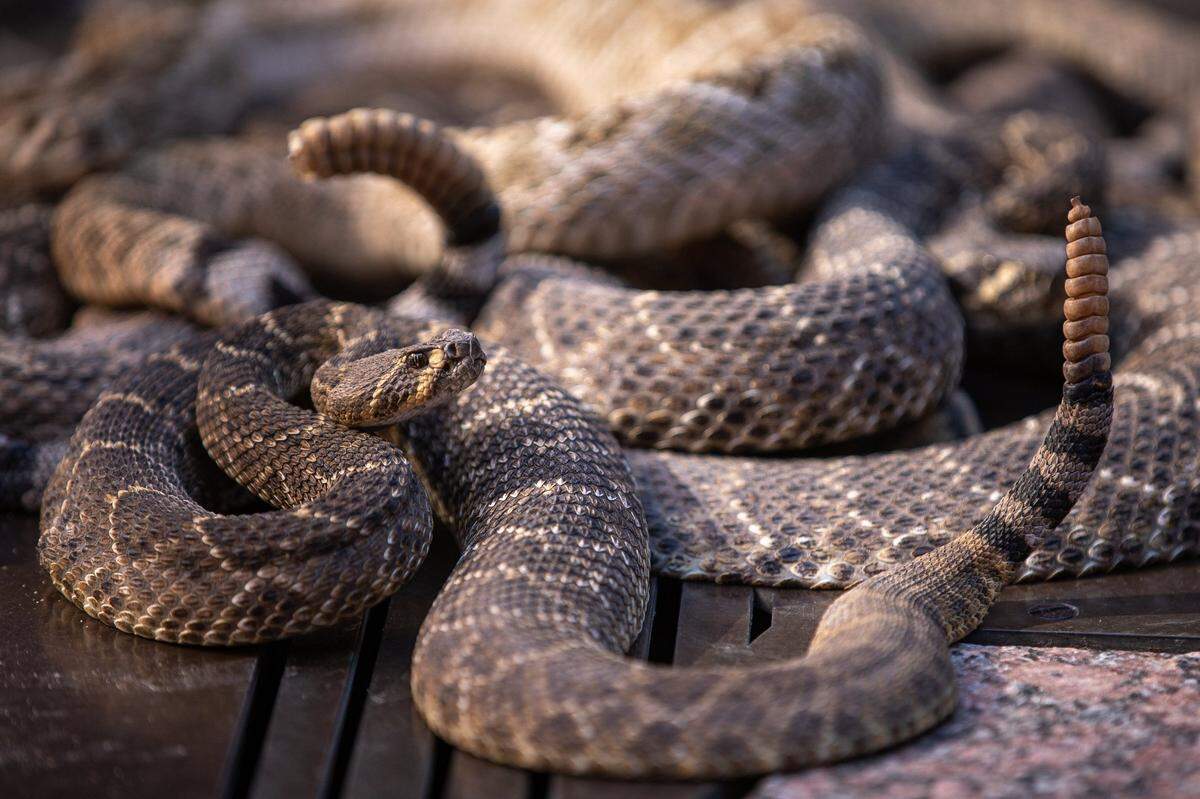
Rattlesnakes can be recognized by the distinct sound their rattles make. You can also identify the venomous reptiles by their gray or light brown banded markings and triangular-shaped heads.
Where will I encounter rattlesnakes?
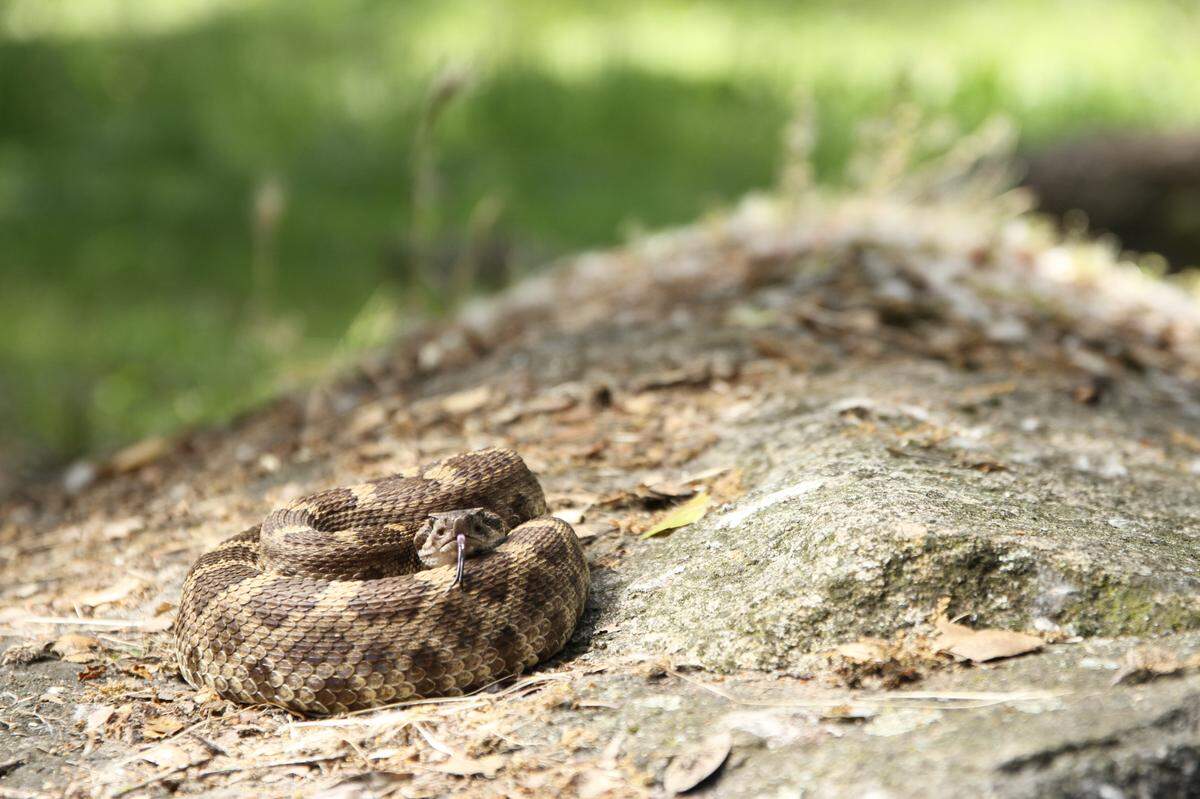
Rattlesnakes typically hang out under rocks, logs and woodpiles, the National Park Service said.
You might also spot rattlers near boulders, stumps and fallen trees, according to Michael Starkey, founder and executive director of Save the Snakes in Sacramento.
Where are rattlesnake hotspots in California?
Thanks to its “warm climates, abundant prey and long summer seasons,” California supports more rattlesnake species than most other states in the country, WorldAtlas said.
According to WorldAtlas, these are five rattlesnake hotspots in California:
- Anza-Borrego Desert State Park, San Diego County
- Santa Monica Mountains, Los Angeles and Ventura County
- Joshua Tree National Park, Riverside and San Bernardino County
- Lake Berryessa, Napa County
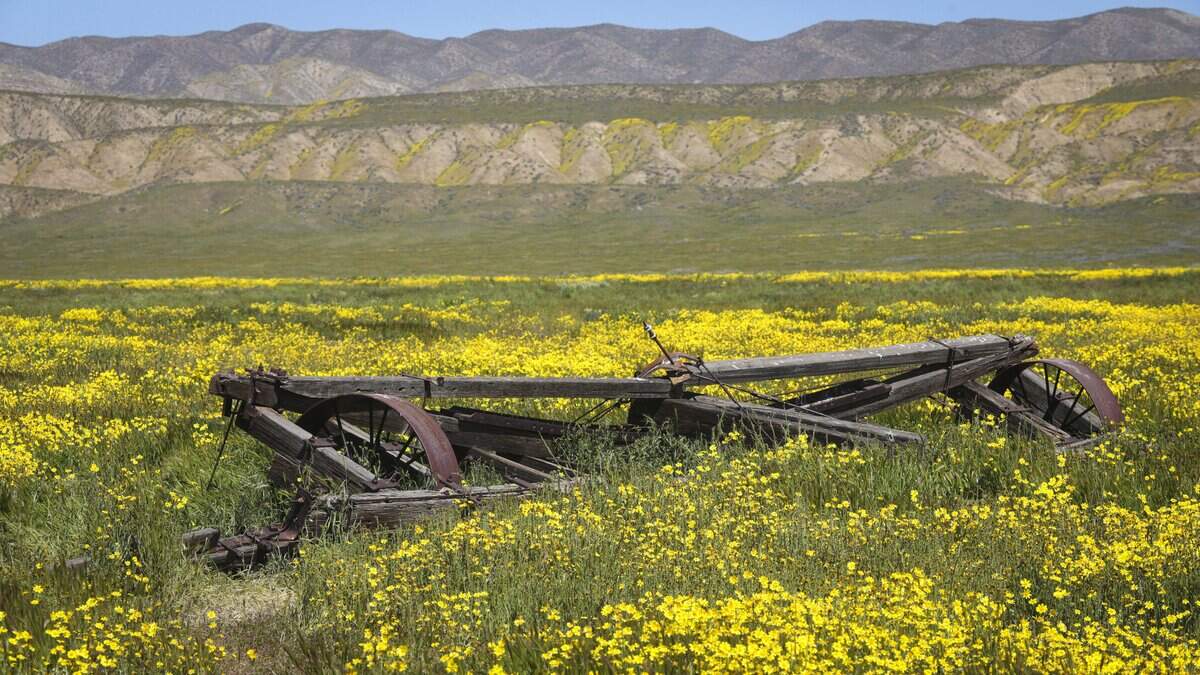
- Carrizo Plain National Monument, San Luis Obispo County
Where are rattlesnakes common in the United States?
WorldAtlas identified several other rattlesnake hotspots across the United States.
“Rattlesnakes are as much feared for their deadly potential as they are revered for their strength and resilience, occupying a wide range of often inhospitable landscapes across the United States, the educational website said.
The snakes can be found in environments ranging from deserts and grasslands to forests and wetlands, as well as agricultural regions and residential areas.
“Their distribution is shaped by climate, terrain, availability of prey and human land use rather than any single environmental factor,” WorldAtlas said.
For instance, the website said, California’s San Joaquin Valley provides a “steady food supply” for snakes — specifically, ground squirrels and gophers attracted by its agriculture and extensive irrigation.
“Large tracts of open land and consistently warm nighttime temperatures continue to support stable rattlesnake populations across this central part of the Golden State,” World Atlas said.
These areas support large rattlesnake populations, according to the website:
- Sonoran Desert, Arizona
- Texas Hill Country
- Mojave Desert, Calfornia and Nevada
- San Joaquin Valley
- Appalachian Foothills, Georgia
- Cross Timbers, Oklahoma and Texas
- Everglades and Southern Pine Flatwoods, Florida
How to avoid rattlesnakes on a California hike
“Rattlesnakes are part of the natural environment” in California, the National Park Service said.
Before you head out on your next hike, it’s important to know how to avoid the venomous snakes and what to do if you encounter one in the wild.
According to the Park Service and the California Poison Control System, here’s how to stay safe in rattlesnake country and minimize your chances of being bitten:
- Walk or hike in areas where the ground is clear.
- Wear protective clothing such as long heavy pants and high boots.
- Pay attention to your surroundings.
- Carefully inspect logs or rocks before sitting on them.
- Carry a fully charged phone, and let people know where you plan to hike and how long you will be gone.
- Look after children and keep dogs and other pets on a leash.
- Stay on trails, away from underbrush and tall weeds.
- Watch where you step, and never put your hands in areas where you cannot see.
“If you spot a rattlesnake, stay away,” the California Poison Control Network said.
Do not touch or disturb the snake, even it appears to be dead.
“If you think you hear a rattlesnake, stand still until you’ve located the snake, then move away,” the National Park Service said.
Are rattlesnakes dangerous?
“Rattlesnakes aren’t aggressive to humans unless threatened or frightened,” Stephen Nett, a Bodega Bay-based naturalist, wrote on Sonoma County Regional Parks’ blog.
The snakes are typically shy around bigger animals.
They will rattle if they sense prey and try to escape — and you should let them get away.
What should I do if I am bitten by a rattlesnake?
If you are bitten by a rattlesnake, “stay calm, limit movement and call 911 immediately,” the Ventura County Fire Department said.
“Many emergency rooms have antivenom drugs, which may help you,” the Mayo Clinic said.
While waiting for medical help, you should “sit or lie down so that the bite is in a neutral, comfortable position,” the Mayo Clinic said.
All jewelry, watches or tight clothing should be removed before swelling starts.
You should also clean the bite with soap and water, and cover or loosely wrap it with a clean bandage.
According to the Mayo Clinic, there are certain actions you should avoid in the case of a rattlesnake bite:
- Don’t tie off the bite area with a tourniquet or apply ice.
- Don’t cut the bite or try to remove the venom.
- Don’t drink caffeine or alcohol.
- Don’t take pain-relieving medicine, as this could increase your risk of bleeding.
This story was originally published July 12, 2026 at 5:00 AM with the headline "California is home to 5 ‘rattlesnake hotspots.’ Here’s where to find them."