
California has loosened wolf hazing rules to protect cattle. What to know
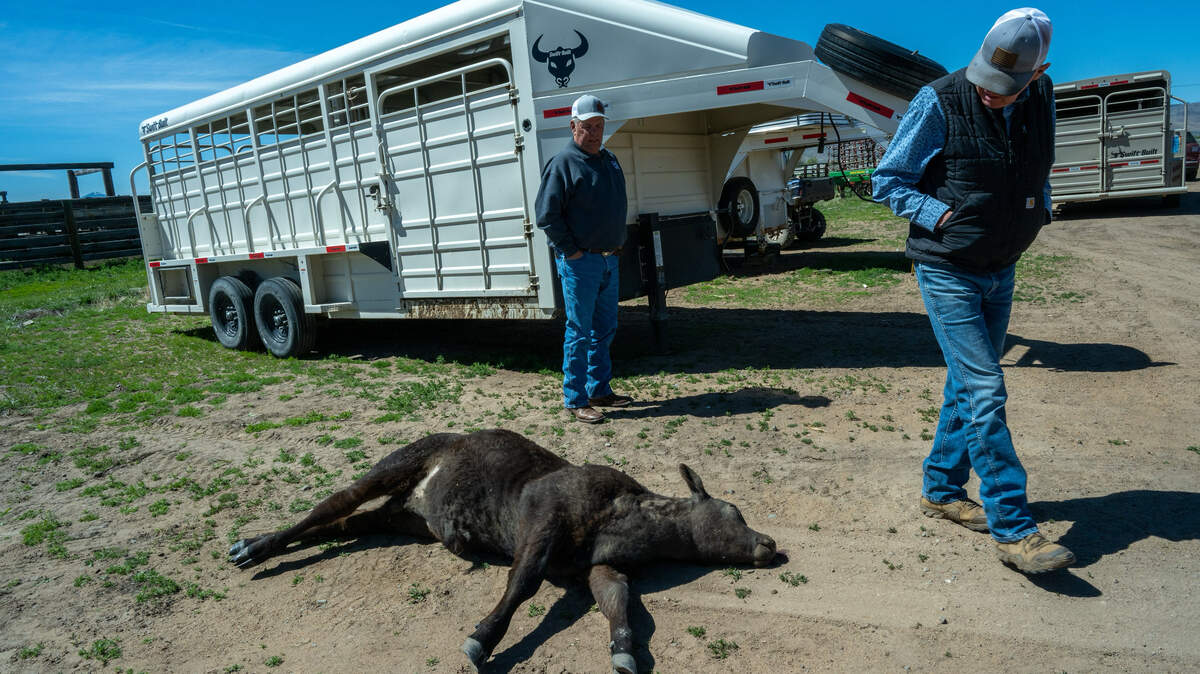
California wildlife officials now are letting sheriffs in northern rangeland counties use rubber bullets, paintballs and pepper balls to drive wolves away from people’s homes and livestock. The state is also developing a plan to let trained ranchers use some of the same methods as gray wolf attacks on cattle mount.
Bee Staff Writer Sharon Bernstein has been covering the ongoing conflict between ranchers trying to protect their livestock and environmentalists preserving wildlife amid the return of the gray wolf to California. Her story about this latest development examined how the state has relaxed the rules to help thwart wolf attacks: ”To protect cattle, California sheriffs can use rubber bullets, pepper balls on wolves.”
She also wrote about a recent UC Davis study that revealed how gray wolves’ dropping show their diet is the cattle ranchers are trying to protect: ”Are wolves feasting on cattle? UC Davis study shows their diet of livestock.”
Here are key takeaways from both stories:
- The California Department of Fish and Wildlife has signed hazing agreements with sheriffs in Sierra, Lassen and Modoc counties, and offered the same deal to four more. Officers can use paintballs, pepper balls, bean bags, rubber bullets and sustained pursuit to drive wolves off.
- A plan in development would let trained ranchers haze wolves too, but only with paintballs and sustained pursuit. Training will be funded through $2 million in grants to groups including the California Farm Bureau.
- Anyone authorized to haze wolves who accidentally kills one would be exempt from prosecution under the California Endangered Species Act.
- The shift follows last summer’s attacks by the Beyem Seo pack, which killed 92 cows and calves in Sierra Valley. State officers ultimately killed four wolves from the pack.
- Amaroq Weiss, senior wolf advocate for the Center for Biological Diversity, questioned whether the action is allowed under California’s wolf conservation plan and urged strict training requirements before any hazing that could harm wolves.
Wolves feast on cattle
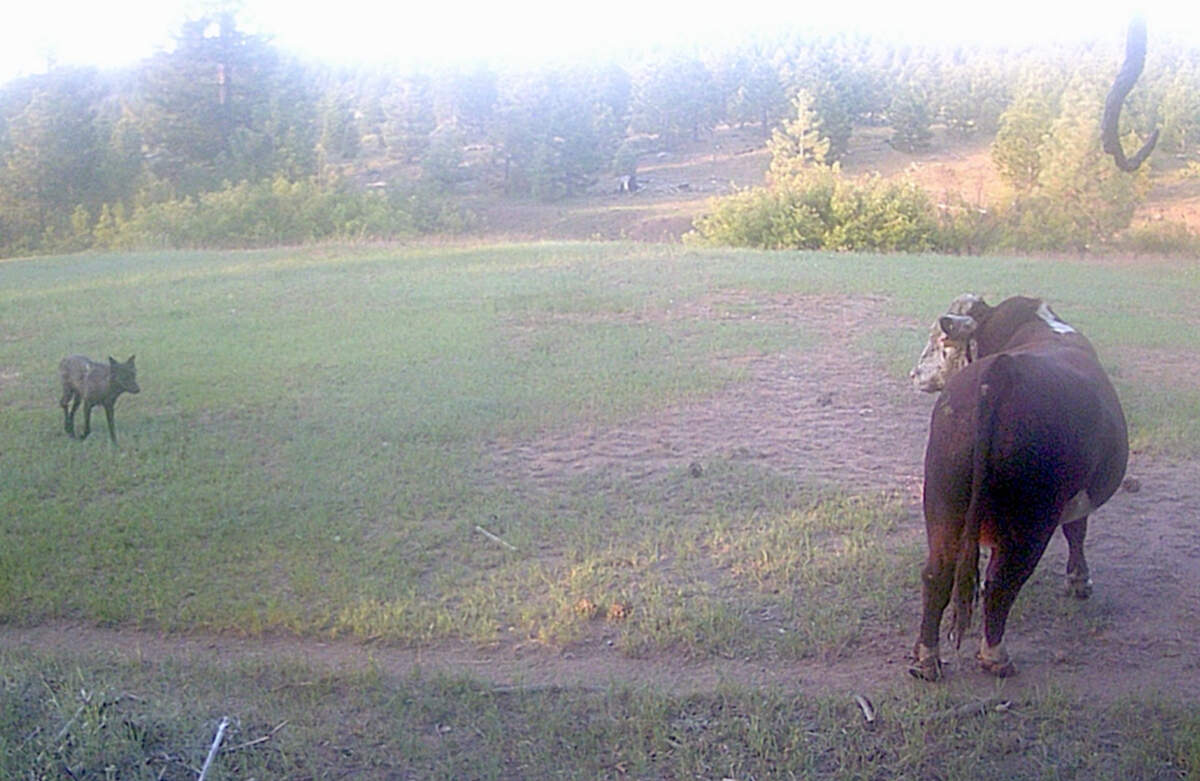
- DNA from cattle appeared in 72% of wolf scat samples collected during the summers of 2022 and 2023, making up 55% of the wolves’ total diet. Mule deer, wolves’ traditional prey, showed up in just 45% of samples.
- UC Davis agricultural economist Tina Saitone said the cattle industry is “really supporting the conservation success of wolves” in California, arguing the animals are recovering largely because livestock is available as food.
- The study does not distinguish between cattle killed by wolves and those scavenged after dying from other causes. A 2015 USDA report found predators accounted for 2% of adult cattle deaths and 11% of calf deaths.
- Amaroq Weiss, senior wolf advocate at the Center for Biological Diversity, questioned the methodology, saying researchers collected scat only along roads and trails while excluding brushy areas where wolves may eat smaller prey.
- Natural Resources Secretary Wade Crowfoot has called the situation a crisis.